OSHA heat guidance highlights risks for UPS workers in summer heat
OSHA’s heat guidance is a direct test of UPS practice: water, rest, shade and slower pace only matter if they reach preload, package cars and hot routes.
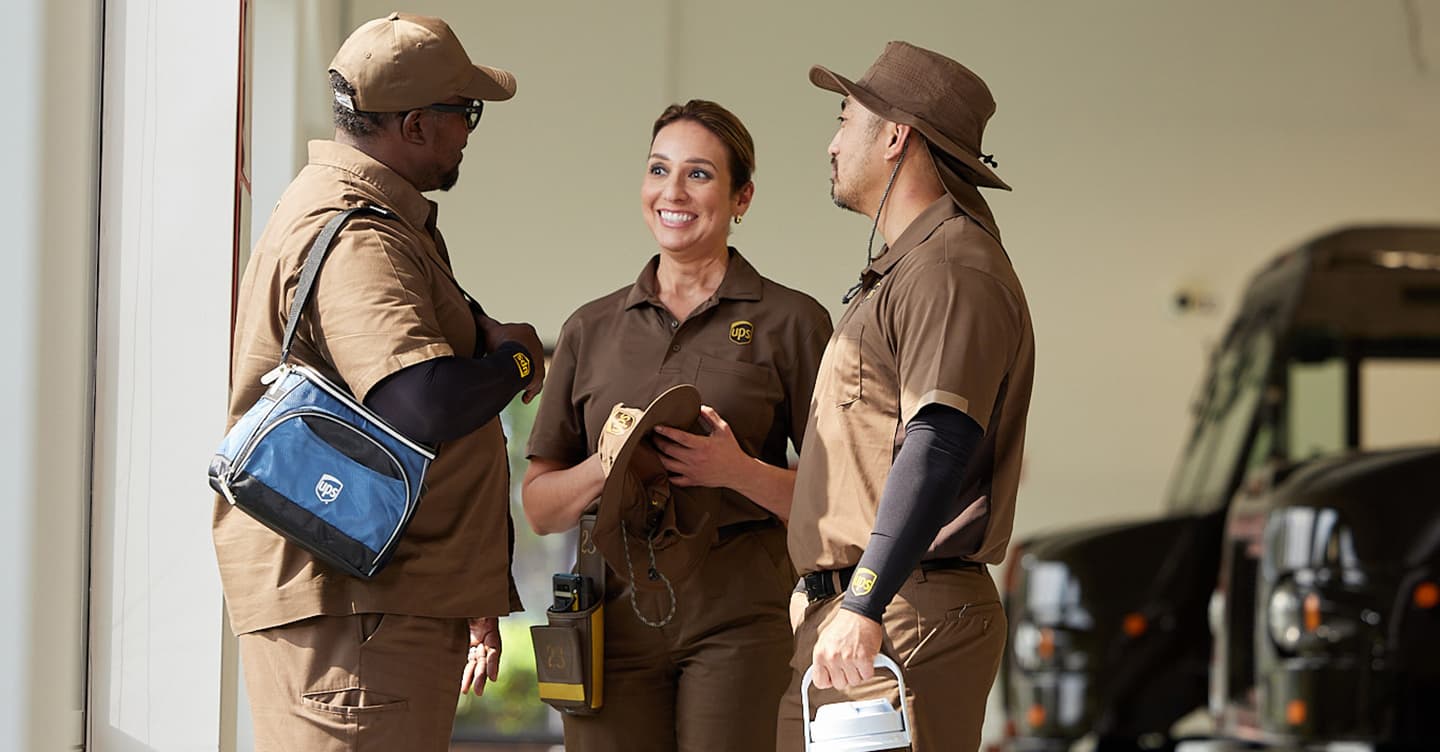
OSHA’s Water. Rest. Shade framework lands in the places UPS workers feel summer heat first: hot trailers on preload, package cars with limited cooling, dock doors, yards and outdoor delivery routes. The question for workers and managers is simple: whether the basics are actually there when the temperature climbs.
What OSHA’s guidance means on a UPS shift
OSHA’s Heat Illness Prevention campaign dates back to 2011, and Water. Rest. Shade remains its plain-language core. Water matters because workers in trucks, trailers, docks and yards can lose fluids quickly in hot, physically demanding work. Rest matters because a few minutes off the belt, out of the cab, or away from direct sun can interrupt the slide from heat stress into heat exhaustion or heat stroke. Shade matters because package cars, dock doors and asphalt lots can get dangerous even when the air temperature does not feel extreme.
That guidance is especially useful at UPS because the job mixes physical exertion with time pressure. A preload shift in a hot trailer, a package car route with few cooling opportunities, or a feeder run with long stretches in the cab can all turn a basic water break into a safety issue if supervisors treat production as more important than recovery. OSHA is moving beyond advice toward federal standards through its rulemaking for Heat Injury and Illness Prevention in Outdoor and Indoor Work Settings.
Nearly 3 out of 4 heat-illness fatalities happen during a worker’s first week on the job, OSHA says on its prevention poster. That makes acclimatization critical for new hires, returning seasonal workers and anyone coming back after time away from the job.
Where the risk shows up inside UPS
The hazard is not limited to package cars. Hub employees loading and unloading hot trailers face intense physical work in cramped, poorly ventilated spaces. Drivers spend long hours in brown trucks and may need to stop not because the route is behind, but because body temperature is climbing. Even workers outdoors only part of the day can be hit hard when a dock apron, yard or delivery stop has no meaningful shade.
In 2019, many UPS brown trucks were not air-conditioned, and drivers faced heat-related illness risks. In 2023, delivery drivers were pushing for more protection against extreme heat. On Aug. 26, 2024, UPS drivers had won heat protections, but some workers said the company had not lived up to them.
OSHA’s enforcement history also includes a violation record tied to UPS.
What UPS says it is doing, and what workers should compare it against
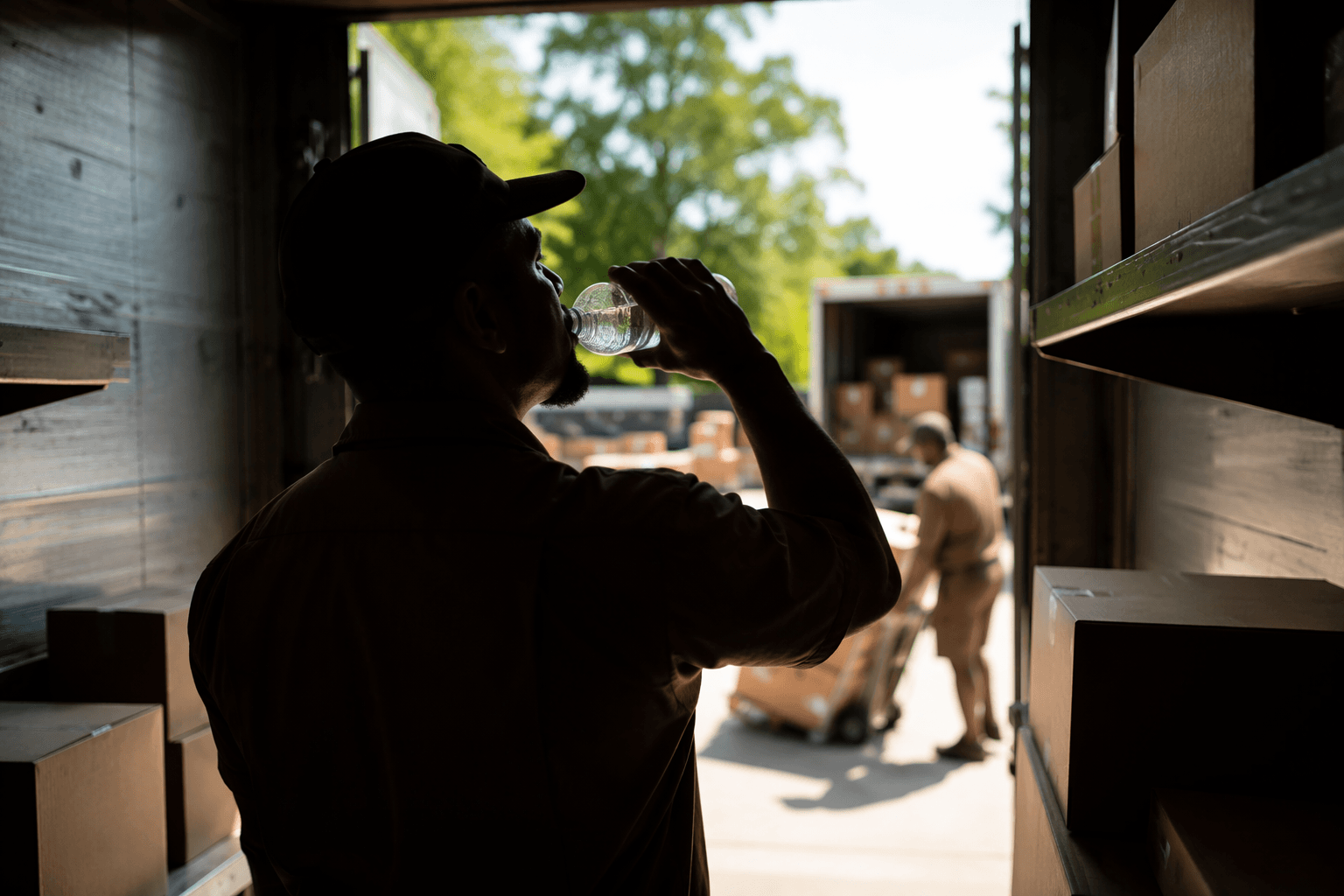
UPS says its Recharge program teaches employees to come to work well rested, stay hydrated and recognize early signs of heat stress. The company also says it offers heat-safety tips for anyone spending time outdoors. Those messages line up closely with OSHA’s framework, but workers should judge them by what happens on the clock, not by the language on a safety page.
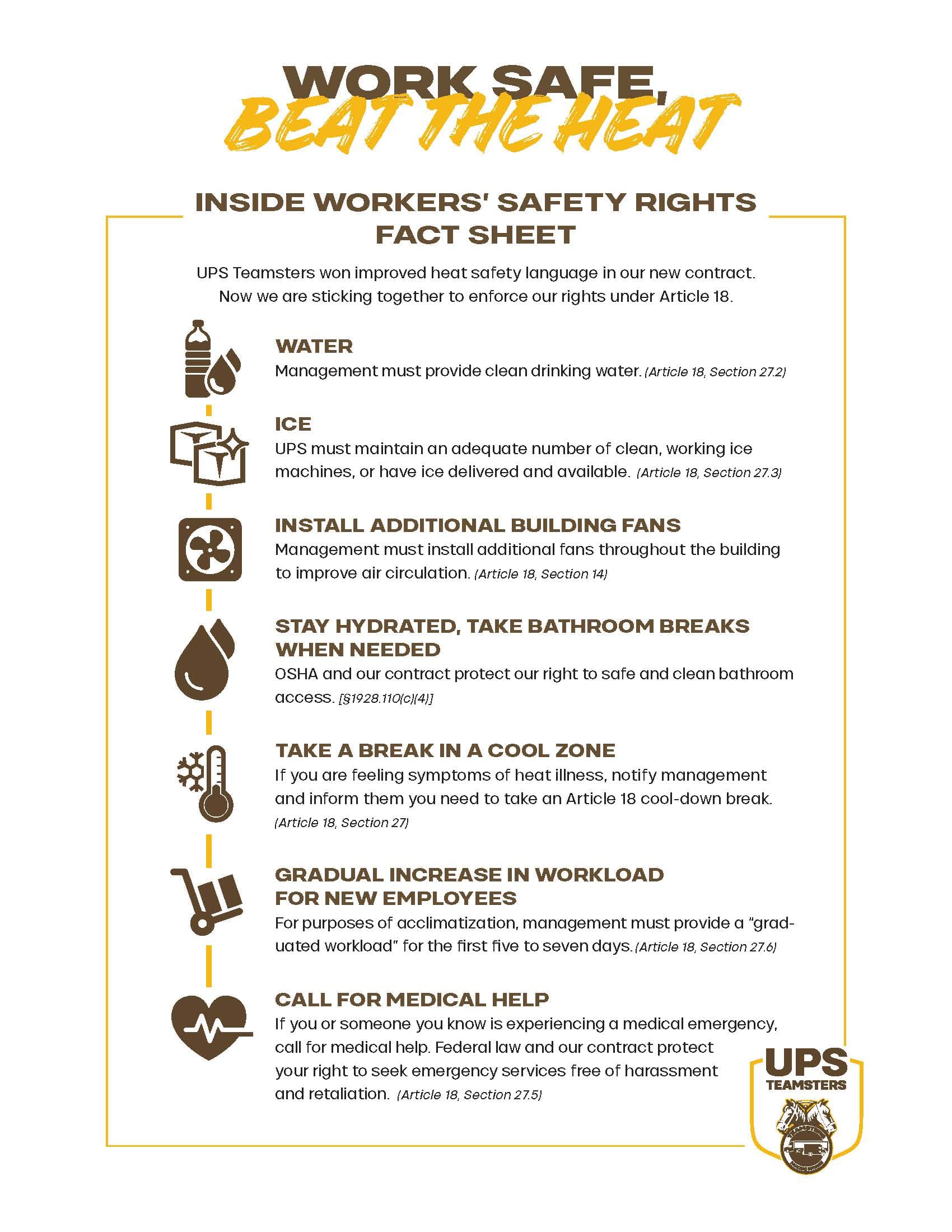
That means asking whether water is easy to reach in preload, whether rest breaks are real enough to cool the body, whether package car drivers can slow down when symptoms start, and whether building fans, ice and drinking water are actually present where work is happening.
What the Teamsters contract changed
Heat safety became a bargaining-table issue in the 2024 contract fight, not just a seasonal concern. The Teamsters say the new contract requires management to provide clean drinking water, install 2,500 water fountains over the life of the contract, maintain ice machines or have ice delivered, and install 18,000 additional building fans. The union also says workers should be allowed to slow down and take frequent breaks during extreme heat, and that management must let workers follow best practices in heat-stress training.
Clean drinking water and ice are not abstract promises. Fountains, fans and break language are physical controls that should show up in buildings and on routes, not just in negotiations or newsletters.
In June 2025, the Teamsters asked UPS for data on heat protections, overtime violations and staffing, a sign that the union is still testing whether the new language is actually being followed.
What to document when heat becomes a production problem
When a supervisor tells you to keep moving despite heat stress, the safest response is to get the facts into your own record while you are still on shift. If the issue later turns into a grievance, a steward meeting or a safety report, specifics carry more weight than general complaints.
- Note the location, such as preload trailer, package car, feeder, dock door or yard.
- Write down the time, temperature conditions and how long you had been without water, shade or a meaningful break.
- Record symptoms clearly, including dizziness, headache, nausea, cramps, weakness or confusion.
- Save the instruction you were given if a supervisor told you to keep working, speed up or skip a rest stop.
- If fans, ice, fountains or drinkable water were missing, note that too.
- Tell a steward or supervisor as soon as symptoms start, especially if you are new, returning after time away or still in the first week of work.
This article was produced by Prism’s automated news system from verified source data, official records, and press releases, then run through automated quality and moderation checks before publishing. The system is built and supervised by the people who set the standards it runs under. Read our full AI policy.
Did this article answer your question?