Teamsters contract boosts UPS wages and job protections through 2028
UPS workers won a five-year contract with $7.50-an-hour wage gains, a higher part-time floor, and new limits on drones and onboarding gaps.
The UPS National Master Agreement reshaped pay and protections for Teamsters across the company, with gains that run through July 31, 2028 and still matter in day-to-day shop-floor disputes. The highlights document is more than a ratification handout: it shows where the biggest promises landed in practice, from wage steps to the end of the 22.4 two-tier and new limits on drones.
What the five-year deal changed
The contract covers August 1, 2023 through July 31, 2028, and the Teamsters described it as a historic five-year agreement. The central wage move was simple and immediate: existing full-time and part-time UPS Teamsters received a $2.75 per hour general increase in 2023, with total wage gains of $7.50 per hour over the life of the deal.
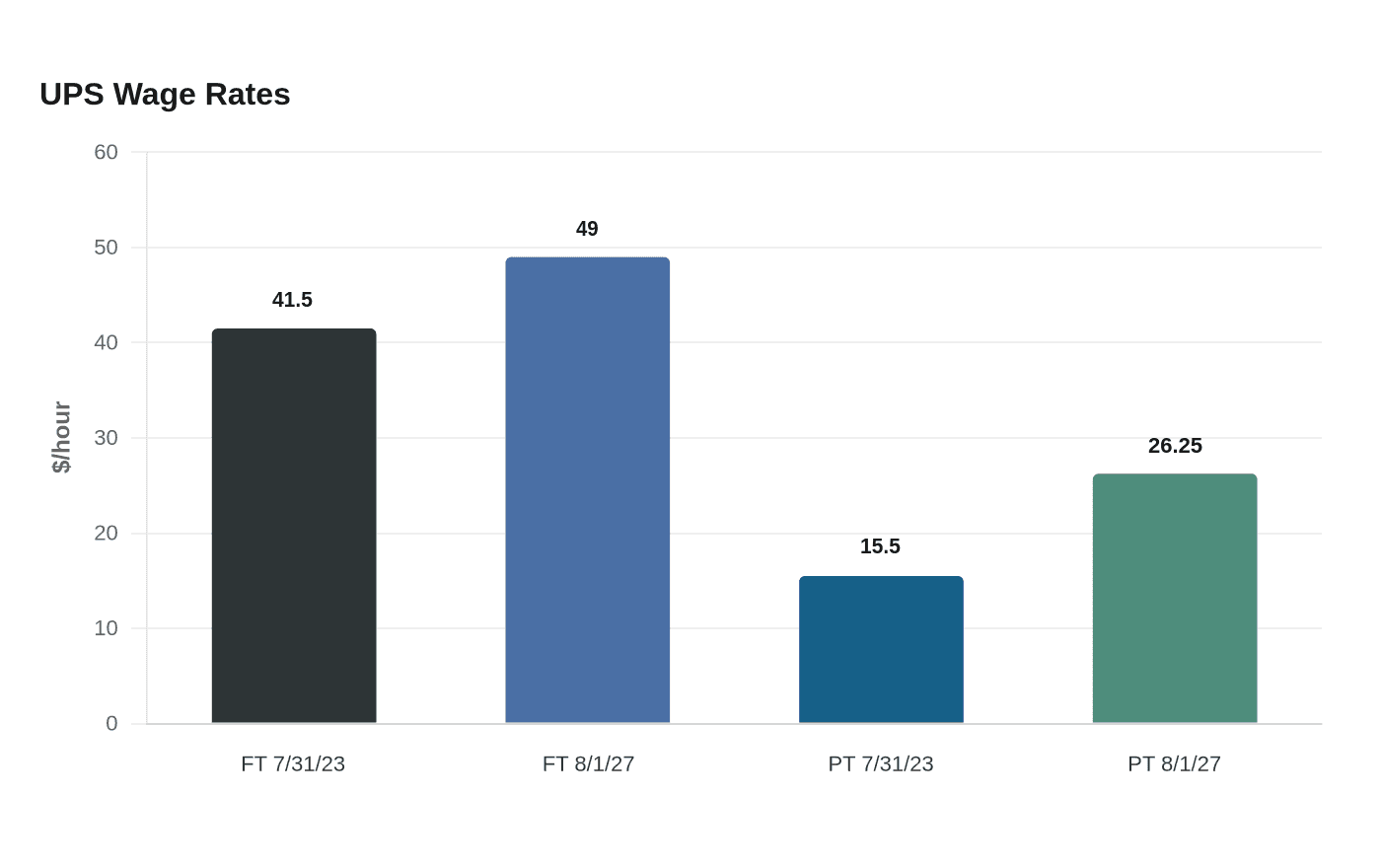
The union’s published examples make the scale clearer for workers tracking their own progression. The top full-time rate rises from $41.50 on 7/31/23 to $49.00 on 8/1/27. For part-time workers, the starting progression rate climbs from $15.50 to $26.25 over the contract term. That difference matters in a building where part-timers have long carried the heaviest load for the lowest pay.
Why part-time workers saw this as a break from the old system
One of the biggest structural changes was the elimination of the two-tier 22.4 classification. For UPS workers, that was not just a contract label; it shaped who could be stuck in a lower-paid driver slot and for how long. Removing it pushed more jobs toward a more stable wage structure and helped narrow the gap between part-time and full-time paths inside the contract.
The Teamsters also emphasized that part-time workers would get double the wage increases they received under the prior agreement. That matters in hubs where package handlers often spend years waiting for a meaningful bump while handling peak volumes, overtime pressure, and constant staffing churn. The contract did not erase those pressures, but it set a clearer wage floor and progression path for people trying to build a career out of a part-time job.
How the agreement affects onboarding and union enforcement
The highlights document gives stewards a specific right that can shape new-hire orientation: stewards can remain on the clock for actual time spent in orientation. That is a small line with a large practical effect. In a unionized UPS building, orientation is often where new workers first learn what the contract says, how to file grievances, and where management draws the line.
A Joint Dues Committee was also assigned to develop an electronic membership and dues checkoff form. That speaks to a recurring UPS problem: if the union connection is weak at the start, workers can drift through onboarding without understanding their rights or how to use them. The electronic process is meant to tighten that link, especially in a workforce that turns over quickly and stretches across package centers, car delivery operations, feeder work, and maintenance shops.
Technology language and the fight over surveillance
The technological change language in the highlights specifically prevents the introduction of drones. That line tells you how UPS labor fights have shifted. The company has long invested in automation, routing technology, and tracking systems; Teamsters have pushed back when new tools threaten jobs or intensify surveillance without limits.
Supply Chain Dive’s coverage of the tentative deal noted a bargaining process for drone use and also pointed to less reliance on the U.S. Postal Service for some deliveries as part of broader operational changes. For workers, that means the contract sits inside a logistics network that keeps changing around them. The drone language does not solve every automation issue, but it gives the union a contractual footing when management wants to test the next piece of technology.
How the deal was won and how workers approved it
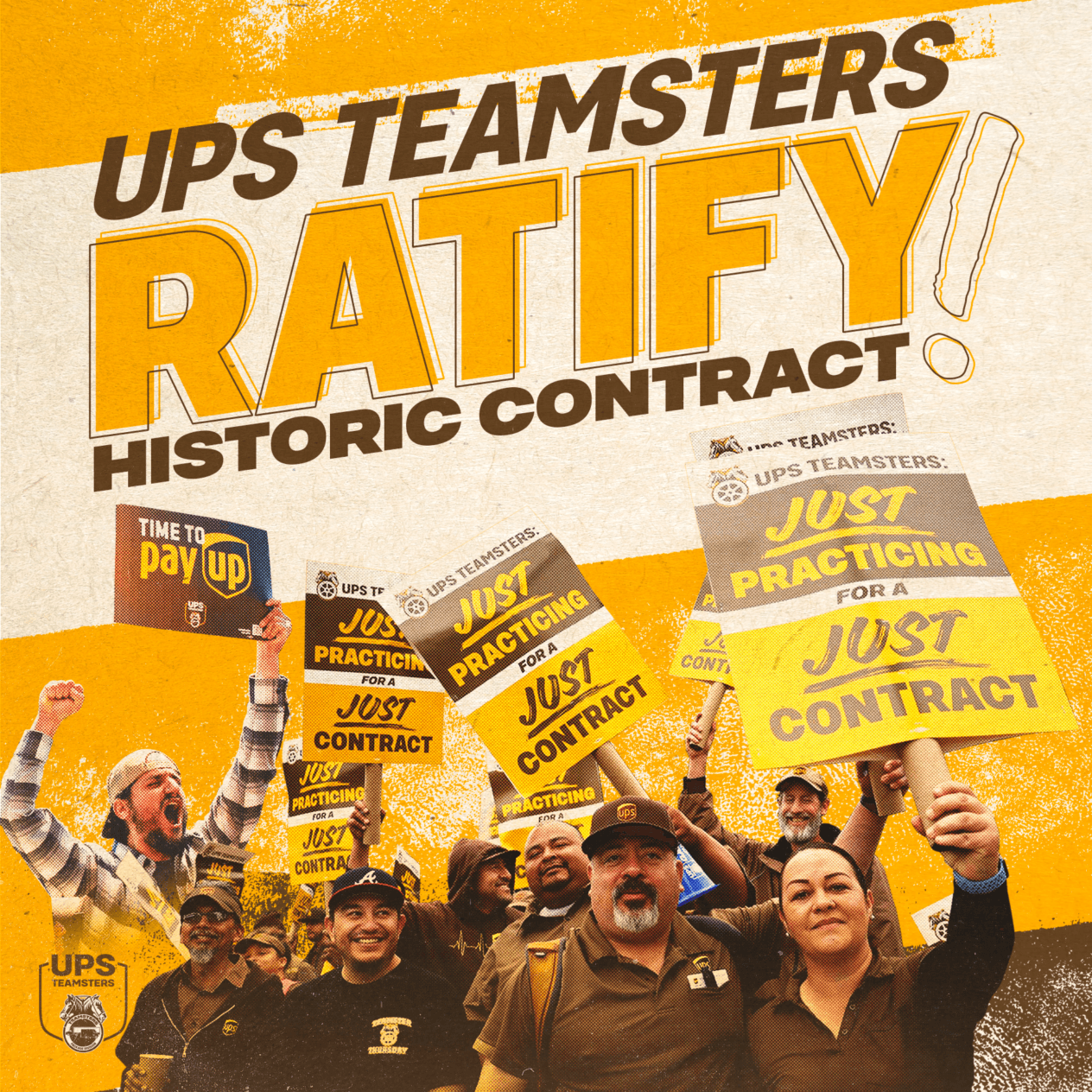
The bargaining was tense enough that Teamsters said UPS walked away from the table on July 5, 2023 after saying it had nothing more to offer, then returned to finalize the package. The ratification vote began on August 3, 2023, and members approved the agreement by 86.3 percent. The union later called that the highest ratification vote for a UPS Teamsters contract in history.
That margin mattered because the contract was not just about numbers on a page. It came after a year-long campaign and after the company faced a possible strike involving more than 340,000 UPS Teamsters nationwide. Reuters, NPR, CNBC, ABC News, and other outlets tracked the negotiations because a work stoppage would have hit U.S. logistics hard. The deal averted that outcome and gave both sides a five-year framework through 2028.
Where workers use the agreement now
By January 2024, the full National Master Agreement was available on the UPS Teamsters app, turning the ratified deal into a day-to-day reference tool. That matters because workers do not enforce a contract in the abstract. They use it when a steward challenges a supervisor, when a part-timer checks the wage progression, when a mechanic wants to know what language applies, and when a driver needs to know whether management is overstepping.
For package handlers, package car drivers, feeder drivers, mechanics, and part-time hub workers, the agreement’s value depends on enforcement. The wage gains, the end of the 22.4 tier, steward time on the clock during orientation, the dues process, and the drone restriction all become real only when they are backed by grievances, local practice, and pressure from members who know the language well enough to use it. This contract set the terms through 2028; the ongoing question is how evenly UPS will have to live with them.
This article was produced by Prism’s automated news system from verified source data, official records, and press releases, then run through automated quality and moderation checks before publishing. The system is built and supervised by the people who set the standards it runs under. Read our full AI policy.
Did this article answer your question?