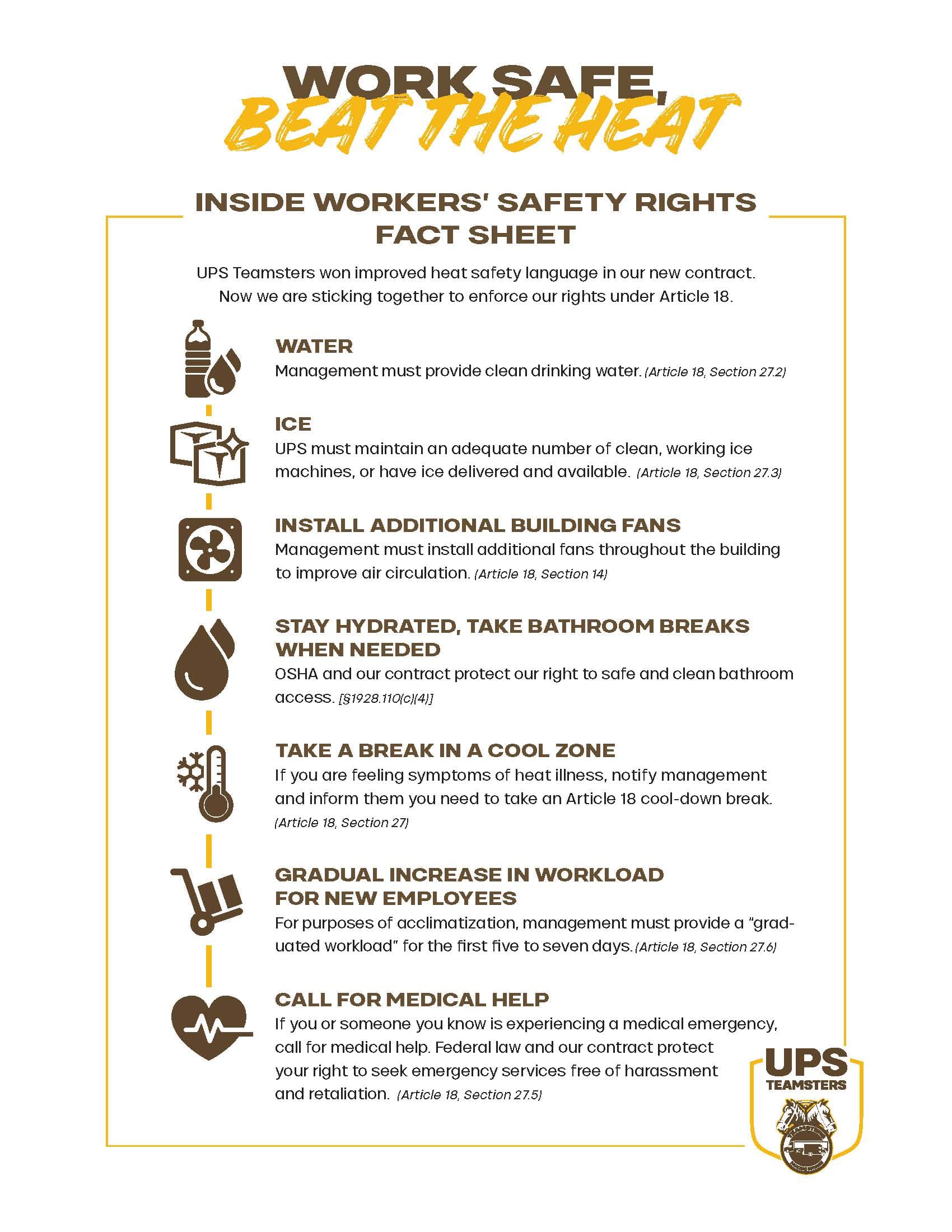
Teamsters page explains UPS regional rules and worker rights
UPS rights often turn on the supplement, not the headline contract. The Teamsters page points workers to the regional book that can decide pay, bids, layoffs, and grievances.
The Teamsters’ supplements-and-riders page is the map to the regional rules that can change a package handler’s posting rights, a driver’s grievance path, or a mechanic’s protections depending on where they work.
Why the supplements page matters
The 2023 to 2028 UPS package covers the period August 1, 2023 through July 31, 2028, and the Teamsters said it covers about 340,000 UPS Teamsters workers nationwide. That national framework is only the starting point. In UPS shops, the language in a supplement or rider often decides the real terms of the job, especially when management says a move, layoff, or reassignment is allowed “per the supplement.”
The page helps workers find the correct agreement for their area instead of guessing which PDF applies when there is a bid dispute, a supplement-specific wage question, a layoff, or a fight over supervision, overtime, or service center changes.
What the national agreement locked in
UPS Teamsters ratified the National Master Agreement on August 22, 2023, and the Teamsters said the vote was approved by 86.3 percent in record turnout. The Teamsters also said wage increases under the national agreement would be retroactive to August 1, 2023, which is a concrete paycheck issue for workers who had waited through bargaining.
The national deal only became fully effective after both the master agreement and the applicable supplements and riders were approved. A worker can know the national headlines and still miss the language that controls daily life in the building. That includes rules affecting part-time to full-time progression, route reshuffling, and how bargaining-unit work is protected when supervisors step in.
How regional books change the job
The 2023 to 2028 contract package includes region-specific documents such as the Western Region Supplemental Agreement, Central Region Supplemental Agreement, Southern Region Supplemental Agreement, Atlantic Area Supplemental Agreement, Northern California Supplemental Agreement and Sort Rider, and Southwest Package and Sort Rider.
The Western Region supplement is a clear example. It applies to eleven western states: Alaska, Arizona, Southern California, Hawaii, Idaho, Montana, Southern Nevada, New Mexico, Oregon, Utah, and Washington. A worker in that region may be operating under rules that do not match what a UPS Teamster in the Central Region, Southern Region, Atlantic Area, or Upstate/West New York is living with on the clock.
Supplements can determine how work is assigned, how seniority is interpreted, how job openings are posted, and how classifications are treated. Those terms shape whether a part-time hub worker can move up, how layoffs are handled, and what happens when a route or a building is reorganized.
What changed in the 2023 package
The 2023 package included new contract language affecting new-employee orientation, dues checkoff, and technological change. New-employee orientation language can affect how quickly new hires learn their rights and get access to a steward, dues checkoff affects the mechanics of union membership, and technological change language shapes how UPS can introduce new tools that alter supervision or workload.
The tentative highlights stated that the deal prevented the introduction of drones. For workers, that kind of language is not just about headlines around automation. It is about whether a new technology changes the pace of the job, the number of stops, the level of oversight, or the way management measures performance.
Why the page is an enforcement tool
For stewards and supervisors alike, the supplements page shows that enforcement is not one-size-fits-all. The correct supplement can decide a case. If you are challenging a bid award, contesting a layoff, or filing over overtime or supervision, the first question is often not what UPS policy says, but which book governs your building.
That is especially true at UPS because management decisions are often defended as being “per the supplement” even when employees have not had easy access to the language. The page lowers that barrier by putting the national master agreement and the regional documents in one place. For a worker facing discipline or a changed schedule, that can mean getting the right language before a deadline passes.
Why timing still matters
Six UPS supplements were approved in June before the national agreement was fully in effect, the Teamsters said, leaving additional supplements still to be approved at that stage. It arrived in pieces, and the pieces were not interchangeable.
For UPS workers, that means the document controlling a grievance can change depending on the date, the region, and the supplement that applies. A worker in one local may have a rule that looks straightforward on paper, while a worker in another region is operating under a different posting system or a different seniority interpretation.
This article was produced by Prism’s automated news system from verified source data, official records, and press releases, then run through automated quality and moderation checks before publishing. The system is built and supervised by the people who set the standards it runs under. Read our full AI policy.
Did this article answer your question?