UPS and Teamsters cap driver buyouts at 7,500, $150,000 each
UPS and the Teamsters locked the buyout fight to 7,500 drivers at $150,000 apiece, turning a severance offer into a test of union leverage.
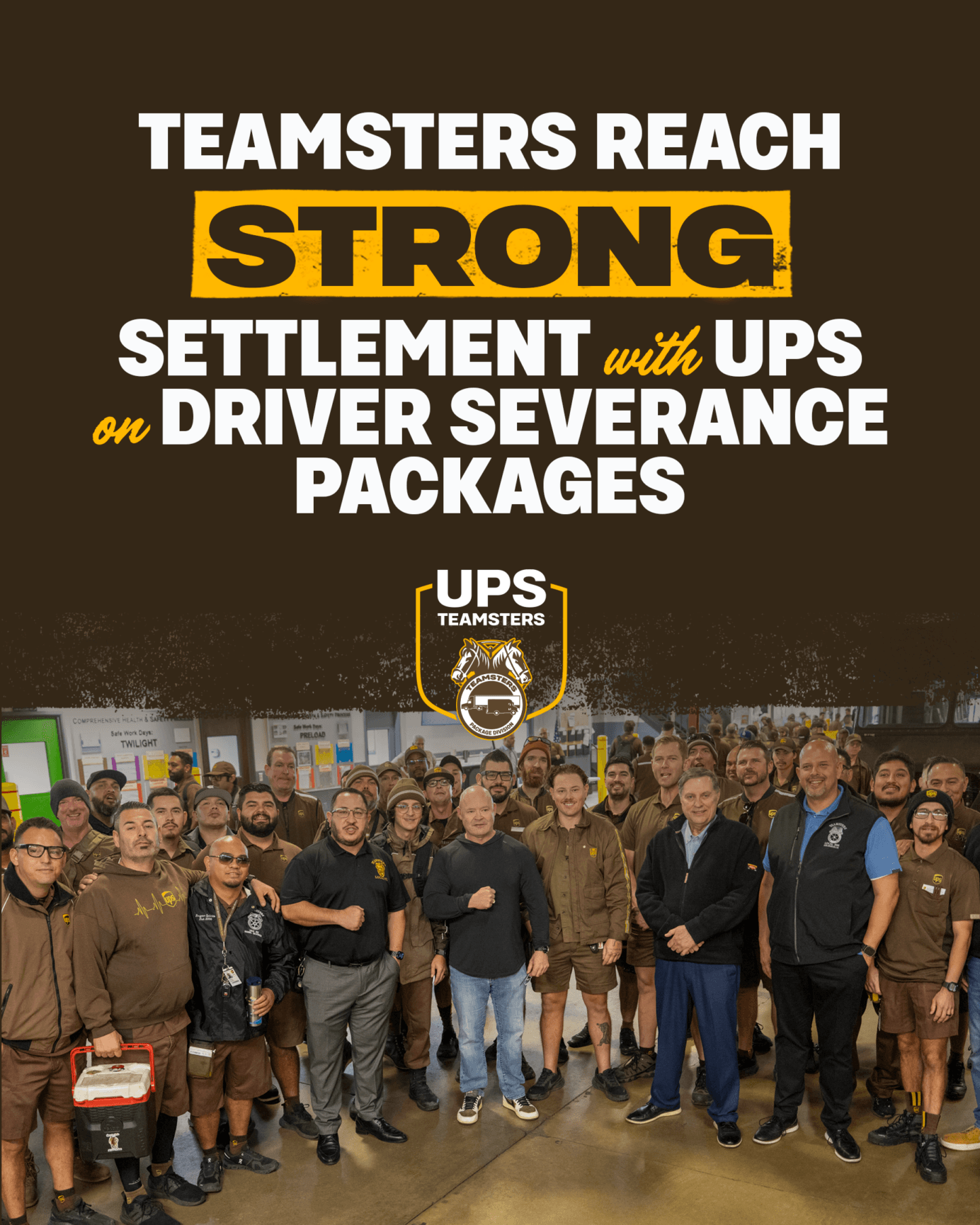
UPS and the Teamsters capped the driver buyout fight at 7,500 offers, with each accepted package worth $150,000 for early retirement. The deal matters because it does more than set a dollar figure: it limits who can be targeted, puts seniority at the center of the process, and blocks UPS from rolling out other severance programs during the life of the current national contract.
How the dispute started
The fight began over UPS’s Driver Choice Program, a severance push aimed at trimming the driver workforce while management reshaped the network. The Teamsters treated that as a contract fight, not just a personnel decision, and moved to stop the program in court. Chief U.S. District Judge Denise Casper later denied the union’s request for a preliminary injunction, which kept the buyout plan alive while the broader labor dispute continued.
That legal battle mattered because the company had planned a $150,000 separation package for full-time U.S. drivers, and the union was arguing that UPS could not unilaterally impose the terms. Once a severance offer is framed as a contract issue, the company has to contend with seniority rules, bargaining obligations, and grievance enforcement, not just the headline dollar amount. That is the point workers inside a union shop need to watch: a management program can look finished on paper and still be vulnerable if it collides with contract language.
What the settlement actually changes
The settlement limits UPS to 7,500 severance packages nationwide. Those offers are set at $150,000 each for early retirement and are to be made by seniority, not by management whim or a first-come, first-served scramble. The agreement covers long-haul feeder drivers and regular package car drivers across all regions in America, which makes it far broader than a local arrangement or a one-off buyout in a single terminal.
Just as important, UPS agreed not to pursue any other severance programs for the life of the current Teamsters agreement. That contract runs from August 1, 2023 through July 31, 2028, so the settlement does not just settle one round of buyouts. It also draws a line through the rest of the contract term and limits how management can use severance as a labor-management tool before the agreement expires.
Teamsters Local 804 said the settlement covers the Driver Choice Program, sets the $150,000 buyout in seniority order, and requires UPS to fill 30,000 new full-time jobs. That combination matters because it ties any reduction in headcount to an obligation to create jobs, which is a very different outcome from letting a company quietly shrink the driving ranks and call it an efficiency move. For UPS workers, the settlement is not only about who leaves. It is also about who gets hired, who moves up, and whether the company can trade away careers without putting anything back into the operation.
Why this hits the building floor first
Inside UPS, seniority is not an abstract rule. It shapes route assignments, vacation picks, overtime, vacation scheduling, and the path from part-time hub work to full-time driving. When veteran feeder drivers or package car drivers leave, the ripple effects reach the dock, the belt, the yard, and the road, because the company has to replace knowledge that keeps service running on tight clocks and hard miles.
That is why severance fights are won or lost on structure, not just money. A buyout can drain experience from a center, increase the training burden on newer drivers, and change how much overtime is available for the people still trying to build a career at UPS. If a company can target a wide swath of drivers without limit, it can shift work patterns across the whole network. If the union can force a cap and a seniority order, it can slow that reshaping down and keep the consequences more predictable.
The Teamsters Package Division says it serves hundreds of thousands of members throughout North America, and UPS remains the single largest employer in the Teamsters. That scale is why a fight over driver severance at UPS is never just about one classification. It sets a template for how management can try to reduce labor costs and how the union can force the issue back onto contract language.
What drivers should check before taking a package
A severance offer is never just a lump sum. For a UPS driver, it can affect pension timing, health coverage, taxes, and the ability to move into another job later. It can also affect whether a worker is giving up a route, a classification, or a future shot at recall or other contractual rights.
Before signing anything, drivers and other workers inside the bargaining unit need to look at the details that matter most in a UPS workplace:
- pension impact and retirement timing
- health coverage after separation
- tax treatment of the $150,000 payment
- whether the program affects recall, rehire, or future eligibility
- how the offer fits with seniority and progression rights
That is where union enforcement becomes practical. A contract fight can change the size of the offer, the order in which it is made, and whether the company can keep coming back with new programs after the first one lands. For part-time hub workers trying to get into full-time driving, those limits matter because every forced departure, every opening, and every posted job changes the progression ladder.
What this says about UPS and the Teamsters
This settlement shows that a buyout is not automatically a final management decision just because the company says it is. Once the union treats the program as a breach of the national agreement and presses the issue through grievances, bargaining pressure, and court action, the company can end up with a narrower deal than the one it wanted. At UPS, that can mean a capped program, a seniority line, a ban on follow-up severance plans, and a requirement to add full-time jobs instead of simply thinning the workforce.
For UPS workers, the lesson is straightforward: if management presents buyouts or job eliminations as inevitable, the contract still matters. The terms can be changed, the scope can be limited, and the company can be forced to account for the jobs it cuts and the work it leaves behind.
This article was produced by Prism’s automated news system from verified source data, official records, and press releases, then run through automated quality and moderation checks before publishing. The system is built and supervised by the people who set the standards it runs under. Read our full AI policy.
Did this article answer your question?