UPS expands package-sorting automation to boost safety and efficiency
UPS is adding sorting robots from Dexterity, FORTNA and Plus One Robotics as it reconfigures its network. Workers will feel it first in pace, lifting and staffing.
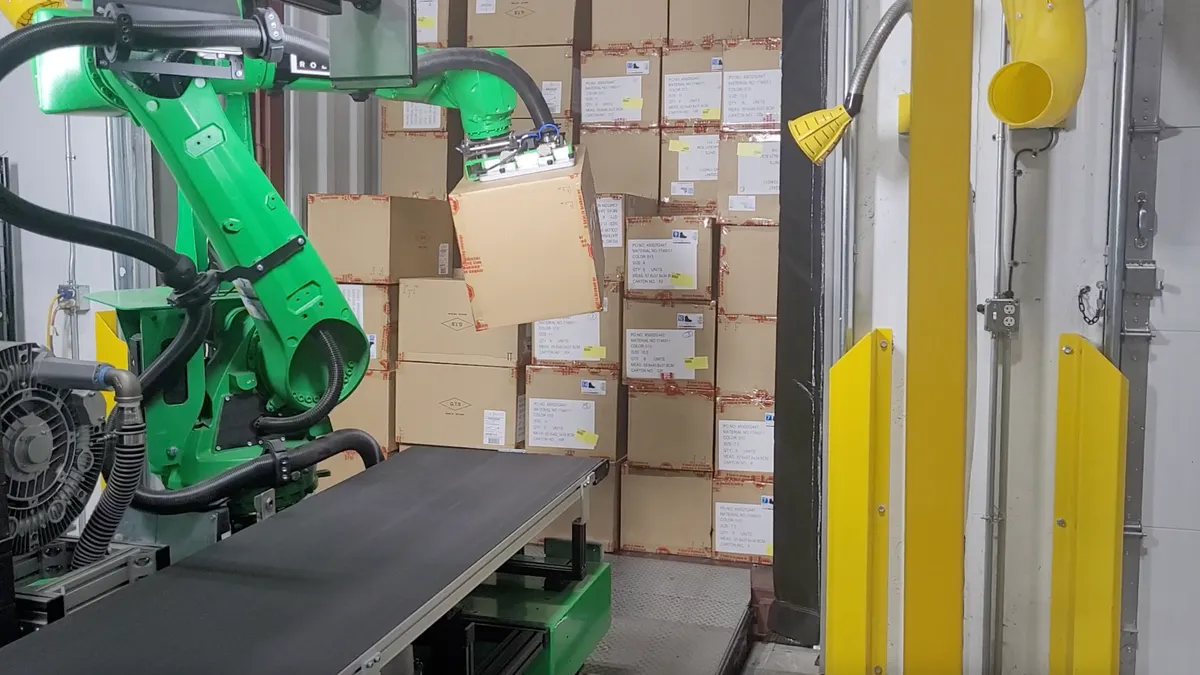
UPS is adding pick-and-place technologies powered by Dexterity, FORTNA and Plus One Robotics to help employees sort small packages. The automation is intended to drive network efficiency and create an enhanced and safer work environment, but the first changes on the floor are likely to show up in pace, lifting, task mix and management oversight.
The rollout lands as UPS continues reconfiguring its network. UPS's 2025 annual report and 2026 proxy materials put planned savings at $3.5 billion in 2025. That broader reset has been paired with about 20,000 position reductions in 2025, the closure of 73 leased and owned buildings by the end of June, and plans for up to 30,000 operational job cuts in 2026 through buyouts and attrition.
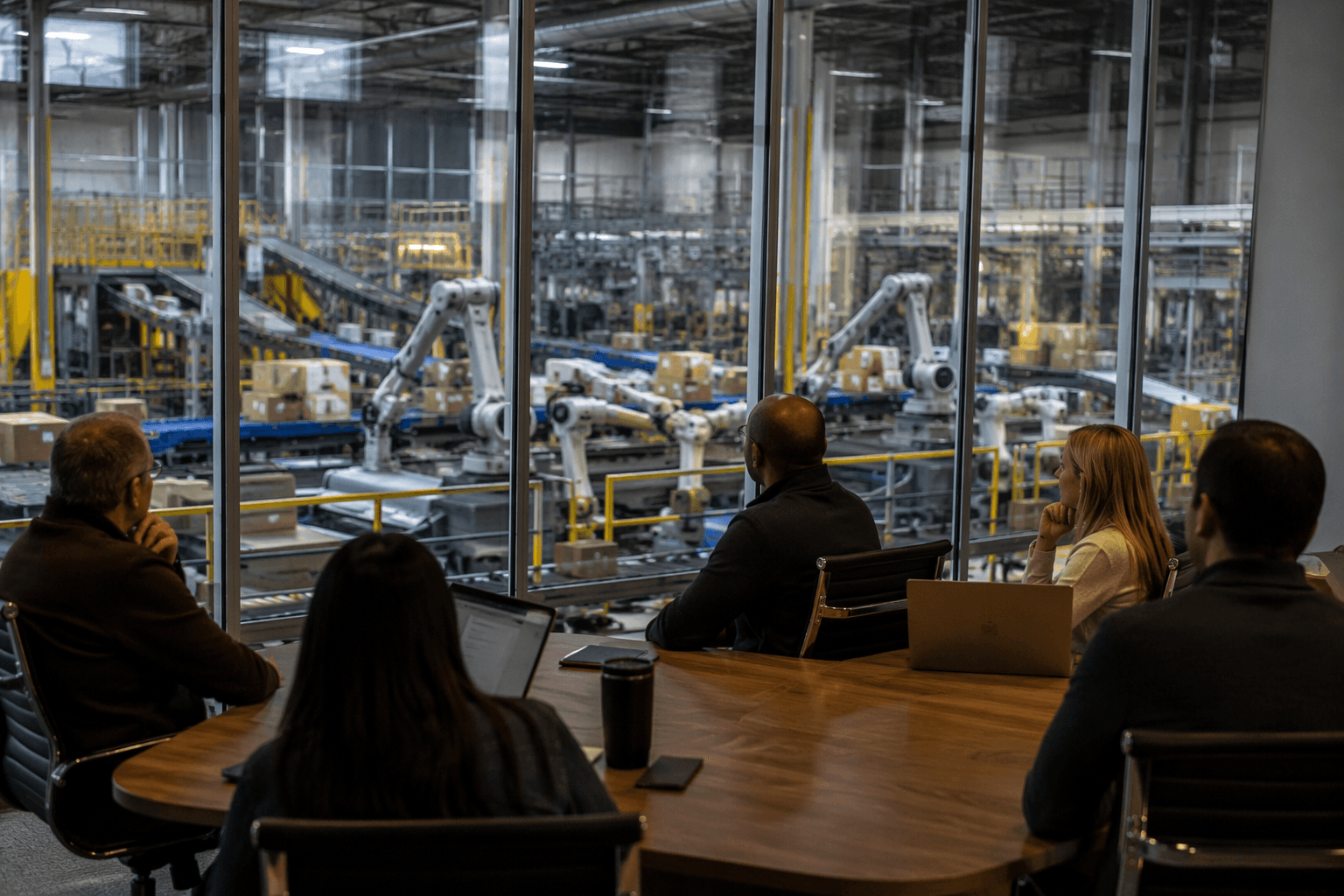
The technology itself is built around repetitive parcel handling. Plus One Robotics' automated induction systems use PickOne AI vision software to singulate packages and place them for downstream sortation, while Yonder handles human-in-the-loop remote intervention for exceptions. UPS is testing and using technologies for pick-and-place, loading and unloading, and moving parcels. For package handlers, that means some of the heaviest manual sorting can shift toward monitoring, clearing jams and handling exceptions faster.
FedEx has already deployed four parcel-handling robots from Plus One Robotics in the small-package sorting area of its Memphis Hub, and highlighted robotic arms for small-package sorting in a December 15, 2020 social post. UPS's vendor lineup suggests a larger automation stack, not a single pilot.
In Teamsters-organized buildings, automation can quickly become a grievance issue if it changes job assignments, staffing levels or line speed without enough training. Teamsters for a Democratic Union has been warning about building closures, automation and changes to UPS's business model, and workers on the sort aisle will be watching whether the new systems reduce repetitive lifting or simply push more volume onto fewer hands. Mechanics and supervisors will also see more maintenance planning, troubleshooting and performance monitoring as the equipment becomes part of daily operations.
This article was produced by Prism’s automated news system from verified source data, official records, and press releases, then run through automated quality and moderation checks before publishing. The system is built and supervised by the people who set the standards it runs under. Read our full AI policy.
Did this article answer your question?