UPS feeder jobs offer home time, benefits and career paths
Feeder can be a solid UPS career move, but the real job is route discipline, road time and union rules, not just home time and a bigger check.

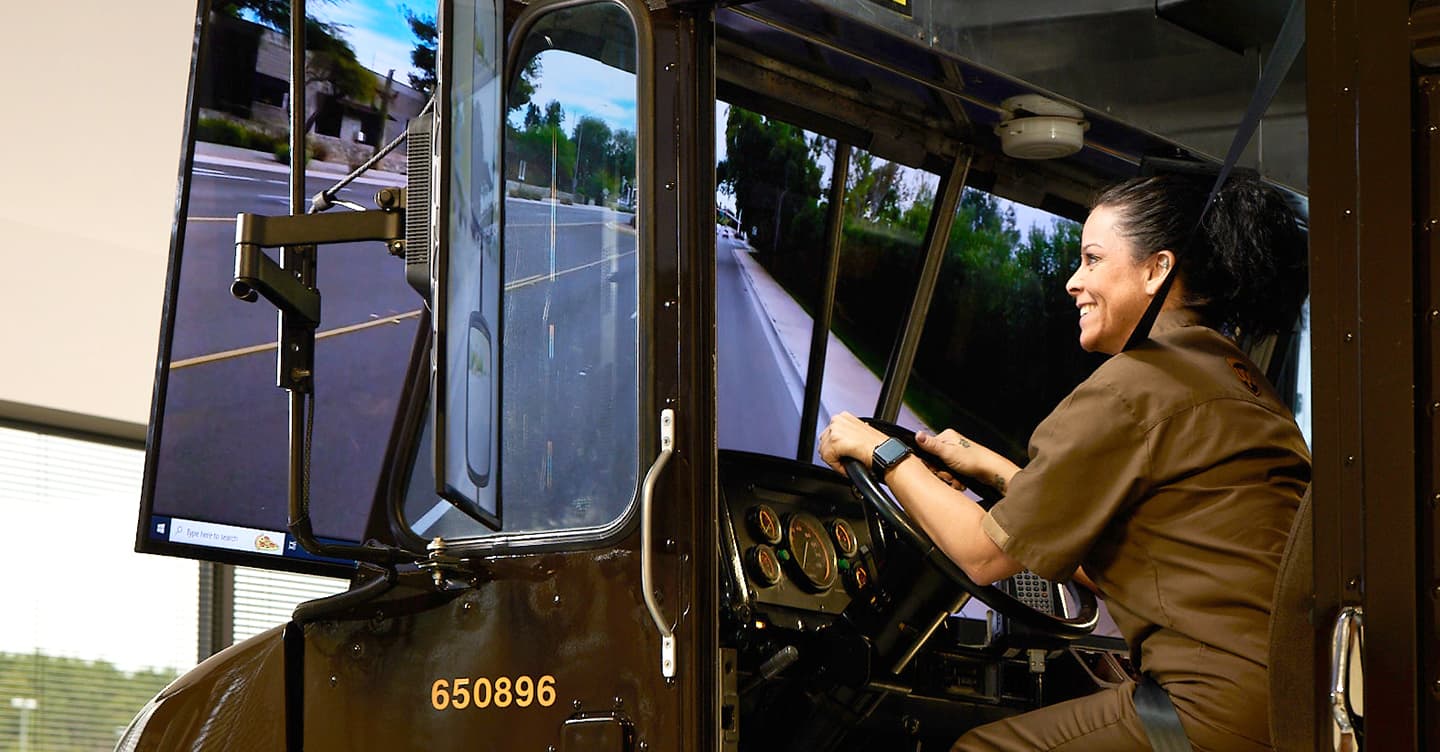
UPS feeder work looks attractive for a reason: the local version sends you between UPS facilities on established runs, home by the end of an 8- to 10-hour shift, while sleeper-team work can keep you on regional and cross-country routes for four to six days at a time. That is not package car life with a bigger trailer. It is a different rhythm, built around solo highway driving, fixed routes, and a company that covers truck maintenance and supplies the vehicle.
What feeder actually is on the road
UPS’s own job pages make the split clear. Local tractor-trailer drivers have established routes from one UPS location to another and are described as the kind of drivers who want to be home by the end of the day. Sleeper-team drivers, by contrast, are paired up for long-haul work, take turns at the wheel and run a mix of regional and cross-country routes out of sleeper cabs. In practice, that means feeder is less about customer-facing stops and more about timing, dispatch discipline and moving freight reliably through the network.
Where feeder sits in the UPS ladder
UPS uses feeder as one rung in a larger hourly system. If you have a CDL, tractor-trailer driving is one option; if you have a license but no CDL, package delivery is the next lane; if you do not have a license, warehouse work is the entry point. That matters because feeder is often the internal destination workers have in mind when they start in the hub or on package cars, especially inside a company that says many employees begin part-time, learn the operation, and then move into full-time slots. UPS says 14,000 part-time employees advanced to full-time roles in 2021, and 18,000 current managers started in union positions.
That promote-from-within pipeline is one reason feeder holds real appeal for package handlers and package car drivers who want better pay without leaving UPS. UPS’s jobs and opportunity report says more than 400,000 UPSers are part of the company’s workforce, more than 330,000 are represented by the Teamsters, and the company has built a career structure that it compares to an apprenticeship system. For workers trying to decide whether feeder is a finish line or a stepping stone, the answer is usually both: it can be a long-term job, but it is also one of the cleaner internal moves for someone who wants a CDL-backed role with a different schedule and less street-level chaos than package delivery.
The money is real, but read the fine print
UPS markets feeder as one of its best-paying jobs, and the company’s numbers are unusually specific. Local tractor-trailer drivers, also known as feeder drivers, average $162,000 a year in total compensation, including $0 healthcare premiums, up to seven weeks of paid vacation and an average of 18 days off for holidays, sick leave and option days. UPS also says long-haul team drivers average $172,000 in total compensation. On the wages side, the company says local tractor-trailer drivers earn $112,000 a year on average, while full-time employees receive $50,000 in health, welfare and pension contributions.
That split matters. UPS is not just padding the headline number, but it is also showing how much of feeder’s value sits in benefits, retirement and time off rather than only hourly pay. The job pages also highlight a pension and 401(k) plan, which is part of why feeder looks more like a career track than a side hustle. If you are weighing feeder against package car or warehouse work, the real question is not just the top-line compensation. It is whether you want the road life that comes with it.
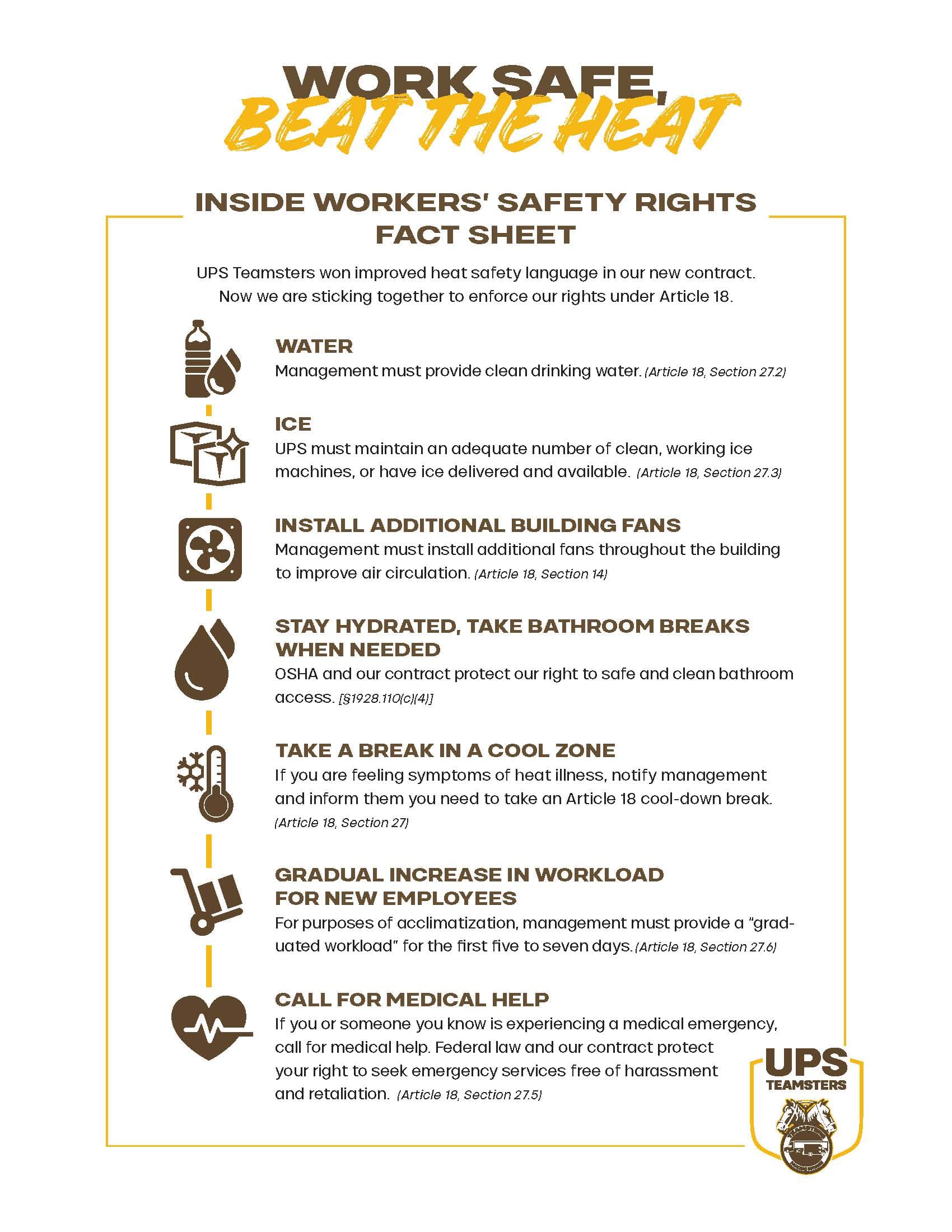
The contract is the guardrail
Feeder is not an at-will corporate lane. It sits inside the UPS National Master Agreement for August 1, 2023 through July 31, 2028, and the Teamsters Package Division says feeder drivers are part of the bargaining unit alongside package car drivers, part-time loaders, sorters, clerks and mechanics. UPS says about 330,000 employees are represented by the International Brotherhood of Teamsters, and the union describes the UPS contract as the largest private collective bargaining agreement in North America.
The wage progression tells the same story. One posted progression example for feeder and RPCD drivers shows hourly rates moving from $21.00 in July 2023 to $23.75 on August 1, 2023, then $24.00 after one year, $24.75 on August 1, 2024, $25.00 after two years and $25.75 on August 1, 2025. That is the kind of progression that keeps inside workers watching the contract closely, because feeder is often where the internal climb becomes tangible: not just a new title, but a wage path tied to seniority and contract language.
Why the current UPS fight still affects feeder
UPS’s 2026 driver buyout and separation fight showed how quickly feeder turns into a labor issue, not just a staffing one. UPS said it reached a nationwide Driver Choice Program agreement with Teamsters as it continued to reconfigure its network, while the union said the Central Region version drew nearly 37 local union grievances and forced UPS to withdraw it there after contract violations were cited. The dispute centered on direct dealing, job erosion and the rights of union shop stewards, which is exactly why feeder drivers should think about the role as part of a bargaining unit with enforcement behind it, not just a job posting with a good salary range.
For workers already inside UPS, feeder is still one of the clearest upgrade paths the company has. For anyone chasing it from outside, the job makes sense only if the tradeoff works: CDL responsibility, highway time, route discipline and the possibility that the best parts of the deal are tied to seniority, contract enforcement and a network that keeps changing around you. UPS was founded in 1907, and feeder work reflects that scale: a century-old logistics machine with union rules, route patterns and staffing decisions that shape the life of the driver as much as the paycheck does.
This article was produced by Prism’s automated news system from verified source data, official records, and press releases, then run through automated quality and moderation checks before publishing. The system is built and supervised by the people who set the standards it runs under. Read our full AI policy.
Did this article answer your question?