UPS highlights part-time jobs as a path to full-time careers
UPS sells part-time work as a doorway to driving jobs, but the real test is how fast seniority, benefits, and internal postings turn that promise into a full-time slot.

UPS is presenting part-time hub work as more than a stopgap, but the path from package handler to full-time employee still depends on the building, the seniority list and how fast openings move. The company’s own careers pages frame hourly jobs as a route into driving and other operational roles, and the 2023 UPS-Teamsters contract made part-time pay and benefits a central test of whether that promise holds up.
What UPS means by “part-time possibilities”
UPS’s part-time possibilities page is built to sell a simple idea: start in hourly work, then move deeper into the company. In UPS’s own careers materials, that means the possibility of advancing into full-time driving, other operational jobs and, in some cases, a quick offer after an application is completed. The company also uses its jobs pages to present hourly work as a place where flexibility, education support and healthcare can matter as much as the paycheck.
That pitch matters because UPS has long depended on part-time labor in its hubs and sorting operations. For package handlers and other hub workers, the job is often treated as a first step into a larger internal labor market, not just a side gig. Whether that step leads anywhere depends on how the local operation is staffed, how quickly openings appear and how seniority is handled under the contract.
The contract changed the starting point, not the whole journey
The 2023 UPS-Teamsters contract gave part-time workers a concrete raise in the floor they start from. Starting pay for part-timers rose to $21 an hour from $15.50 under the prior contract, and UPS and the union both treated that as a major issue in the bargaining fight. UPS and the International Brotherhood of Teamsters reached a tentative five-year agreement on July 25, 2023, just days before a possible strike deadline, and Teamsters UPS workers ratified it in August 2023.

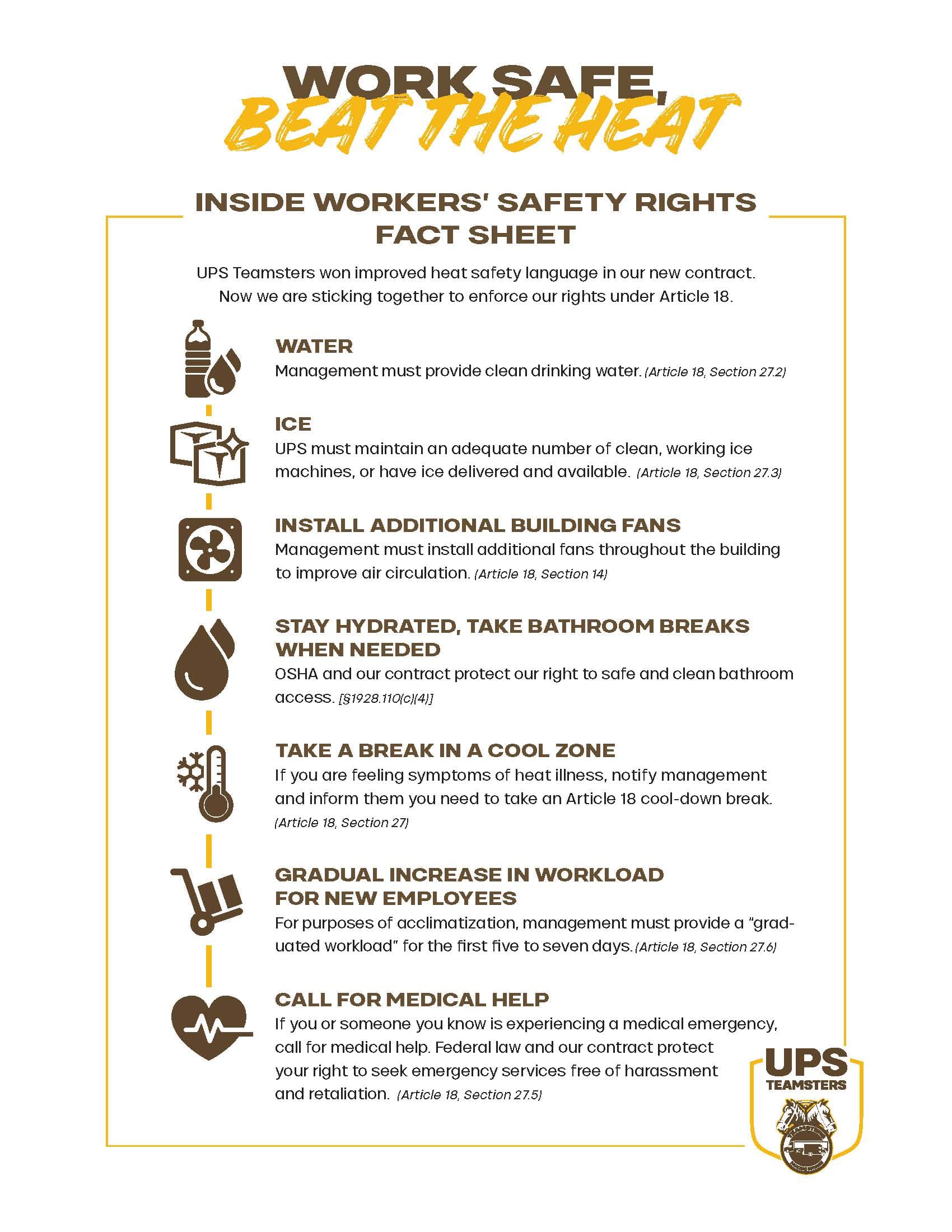
That deal did more than change wages. Teamsters contract materials said stewards would be able to remain on the clock during orientation time under the tentative agreement, a small but meaningful detail in a workplace where paid time, training and supervision can shape how quickly workers settle in. Some part-time UPS workers later said the contract was historic but still fell short of what they wanted, which is a reminder that a better starting wage does not automatically create a reliable road to a full-time job.
Benefits are part of the pitch, and UPS leans hard on them
UPS’s jobs and benefits pages make the case that part-time employees are not being offered a stripped-down version of company work. UPS says part-time employees receive the exact same healthcare benefits as full-time employees, with no premiums, no co-insurance and low co-pays. The company also says it contributed more than $9 billion to employee health, welfare and pension benefits in 2024, a figure meant to reinforce the idea that hourly work at UPS comes with a broader package than many warehouse jobs.
That matters for retention. In many logistics jobs, part-time status can mean weak benefits and little reason to stay. UPS is trying to argue the opposite: that health coverage, pension support and internal mobility make the job worth hanging onto while workers wait for the next step. For some people, that is the difference between a temporary warehouse shift and a viable entry point into a union job with real staying power.
The real question is how the pipeline works inside your building
The promise on the careers page is only useful if it matches what happens on the floor. Workers trying to judge part-time possibilities need to know how long it takes to move, what openings appear first and whether the company posts jobs in a way that lets hourly workers compete fairly. In a UPS building, those answers can be shaped by seniority lists, local staffing needs and the pace of internal hiring, which is why the contract language and local practice matter as much as the marketing.
That is also where the Teamsters’ scale matters. During the 2023 contract fight, the union said it represented roughly 340,000 UPS workers. That size gave part-time issues unusual leverage in bargaining, because the company could not treat hub labor as an isolated personnel question. The agreement had to answer the same basic concern across the network: does part-time work lead somewhere stable, or does it mainly keep people in place until a better slot opens?
How to read UPS’s part-time pitch as a worker
If you are considering a UPS part-time job, the best way to read the company’s message is as a checklist, not a guarantee. The job may offer strong healthcare, union protections and a realistic chance to move into driving or other operational roles. It may also ask you to spend time in a physically demanding position while you wait for that opening to come to you.
That is why the details around progression matter so much. UPS says some offers are made as soon as an application is finished, but the harder question is what happens after you start. In practice, part-time work at UPS looks most like a career entry point when the seniority rules, contract protections and hiring pipeline are moving in the same direction. When they do not, the job can still be decent work, but it functions more like a holding pattern than a ladder.
This article was produced by Prism’s automated news system from verified source data, official records, and press releases, then run through automated quality and moderation checks before publishing. The system is built and supervised by the people who set the standards it runs under. Read our full AI policy.
Did this article answer your question?