UPS highlights pay, benefits and stability in driver recruiting pitch
UPS is selling driving as the blue-collar prize: $145,000 packages, premium-free healthcare and a pension. The catch is a long, physical climb from part-time work to a seat in the truck.
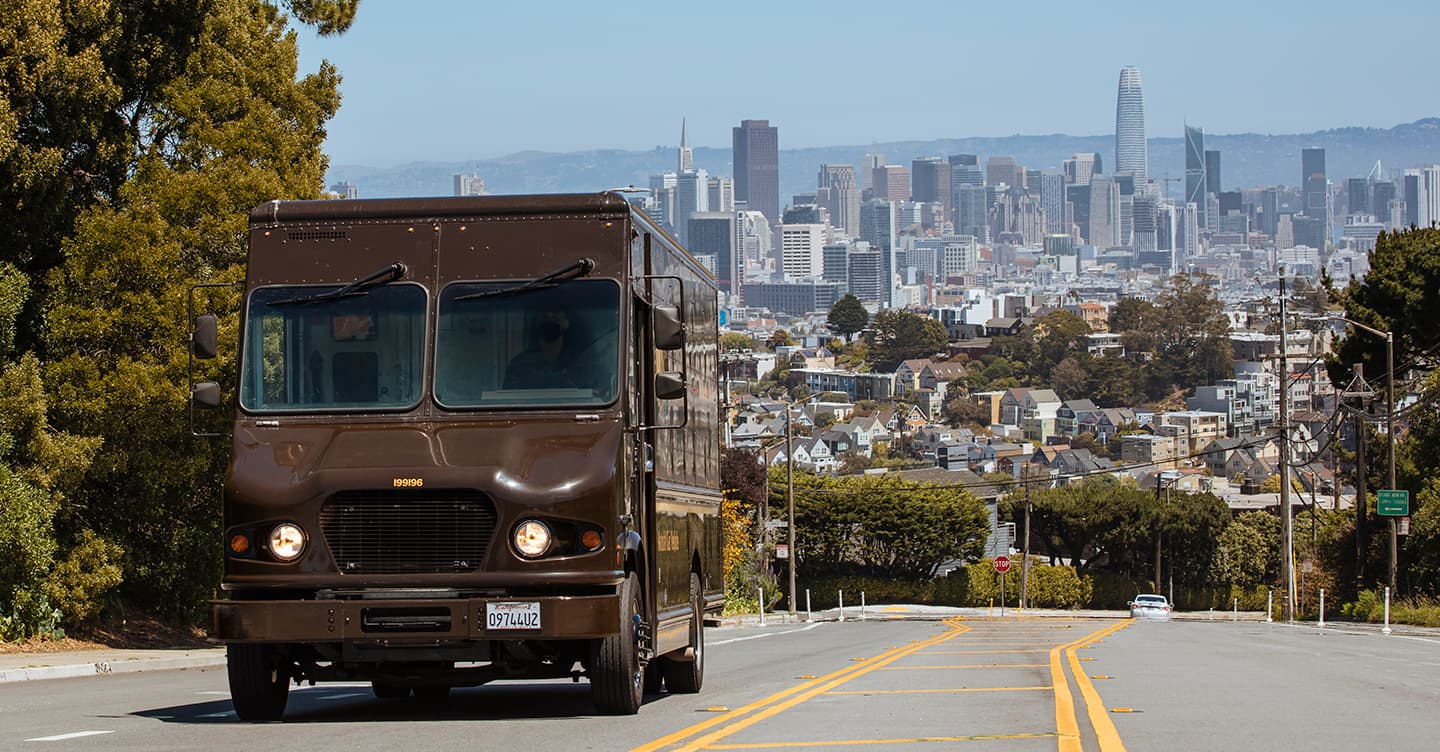
UPS is pitching full-time driving as the rare package job that still delivers a union-grade pay package, premium-free healthcare and retirement security. The tradeoff is just as clear: the work is physical, the schedule can be punishing, and the path from the warehouse floor to a truck seat is long enough that many part-timers treat it like a career prize, not a quick promotion.
Why the driver seat still matters
UPS says full-time delivery drivers average $145,000 a year in total compensation, and that figure includes $0 healthcare premiums, up to seven weeks of paid vacation, about 18 days off for holidays, sick leave and option days, plus a defined-benefit pension plan. The company also says local tractor-trailer drivers, or feeder drivers, average $162,000 in total compensation, while long-haul team drivers average $172,000.
That is the core of the company’s recruiting message: stable hourly work, union benefits and a retirement package that is hard to match in logistics. UPS says all Teamsters-represented employees are offered healthcare with no premiums and low or no co-insurance and co-pays, and it pairs that with tuition assistance, retirement plans and paid time off. For workers who want to stay on the move instead of sitting behind a desk, the pitch is obvious. It is not just pay. It is paid time, health coverage and a pension attached to a job that keeps you out on the road.
The ladder into driving is still the hard part
For package handlers and part-time hub workers, the appeal of driving is less about the brown truck itself than the route it opens into the company. The Teamsters’ contract materials identify package drivers and feeder drivers as bargaining-unit jobs covered by the UPS agreement, which means the move into driving sits inside a formal seniority and progression system, not a casual transfer list.
That matters because the climb is slow. UPS says part-time employees earn an average of $20 an hour after 30 days, a very different starting point from the driver package it advertises on the other side of the building. The company’s recruiting site also says nearly 75% of seasonal positions do not require an interview and most applicants get a job offer in about 10 minutes, a reminder that UPS can hire quickly when it needs bodies, but permanent driving remains a much narrower gate.
The result is a classic UPS reality: the warehouse is full of people who know exactly what they are working toward. Contract rules, bid sheets and grievances shape the route there, and that is why driver seats carry so much weight inside locals such as Teamsters Local 396. When a package-car or feeder opening comes up, it is not just another shift. It is the kind of job many workers spend years trying to earn.
What the 2023 contract changed
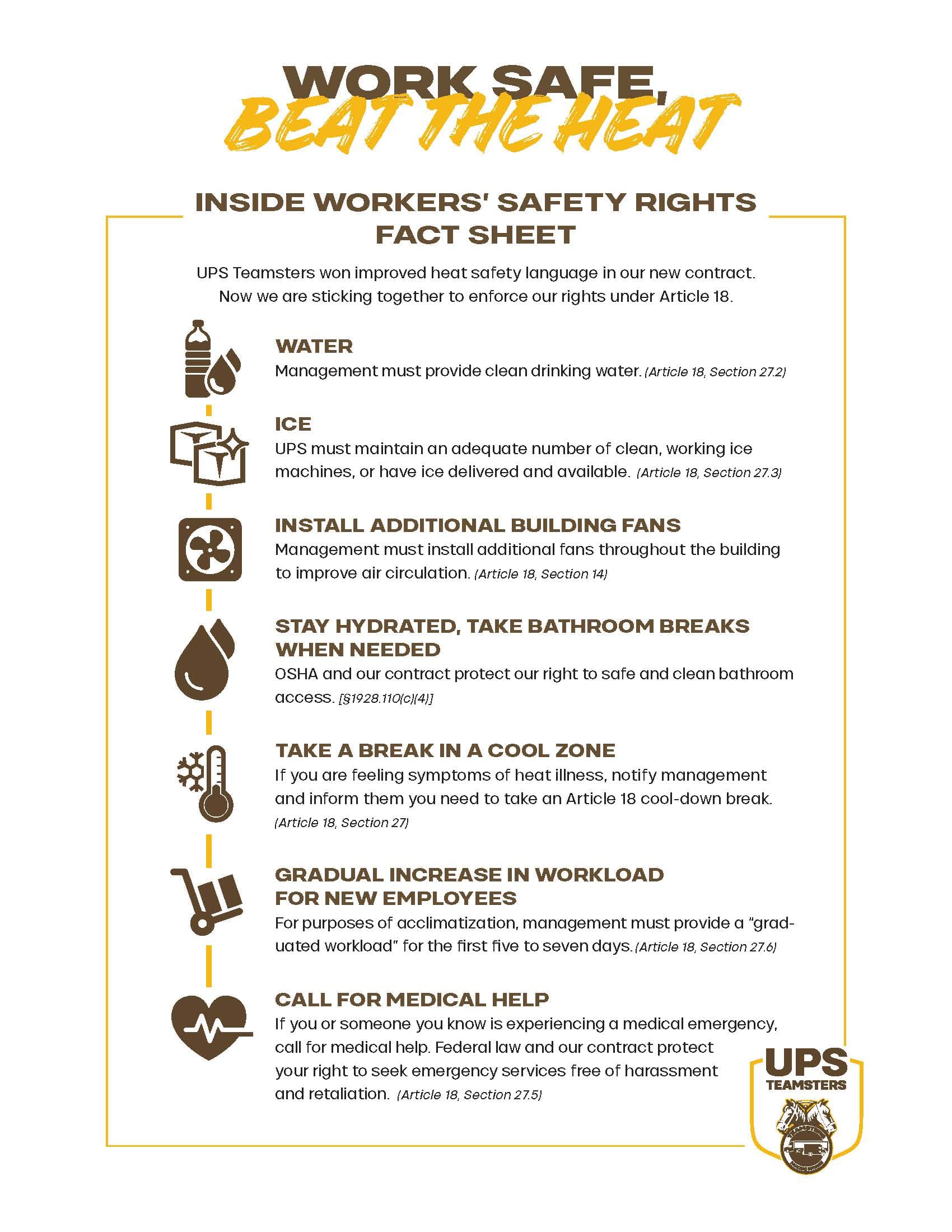
The latest UPS-Teamsters National Master Agreement runs from August 1, 2023 through July 31, 2028, and that five-year window gives the company a clear labor framework for its driver pitch. The deal is also part of why the public conversation around UPS driving has focused so much on compensation. In August 2023, CEO Carol Tomé said drivers would average about $170,000 in pay and benefits by the end of the agreement, a figure that helped define how UPS defended its labor model after the contract fight.
The contract also put a spotlight on wage progression for new drivers. That detail matters more than the headline number, because the attraction of UPS driving is not only the top end of the pay scale. It is the long runway to get there, and the fact that the payoff is tied to a union structure with defined benefits, contract enforcement and grievance rights. In a market where many blue-collar jobs offer speed but little security, UPS is selling the opposite: slower entry, stronger protection and a more predictable ceiling.
What the pitch means inside UPS
For current drivers, the recruiting language is a reminder of how UPS wants the job understood outside the company. The pitch is not route work in the narrow sense. It is a stable professional role with healthcare, retirement security and tuition support attached, the kind of package that lets a driver explain the job to family in terms that go beyond hourly wages.
For supervisors and management, the message is equally practical. UPS is telling applicants that the physical demands are part of the bargain, but so is the stability. The company leans on words like active, mobile and independent because it knows the job has to be sold as more than a paycheck. That is the tension at the heart of the UPS career ladder: the company needs a steady stream of people willing to start at the bottom, but it can only keep the driver seat coveted if the destination still looks worth the climb.
That is why full-time driving remains the benchmark job inside the UPS system. The pay is high, the healthcare is premium-free, the pension is real, and the path to reach that seat still runs through long hours, physical work and a union progression that does not bend for impatience.
This article was produced by Prism’s automated news system from verified source data, official records, and press releases, then run through automated quality and moderation checks before publishing. The system is built and supervised by the people who set the standards it runs under. Read our full AI policy.
Did this article answer your question?