UPS profits hold as Amazon cuts and restructuring continue
UPS is still profitable as it cuts Amazon volume and reshapes the network. For workers, that can mean route churn, fewer hours, and more pressure on the shop floor.
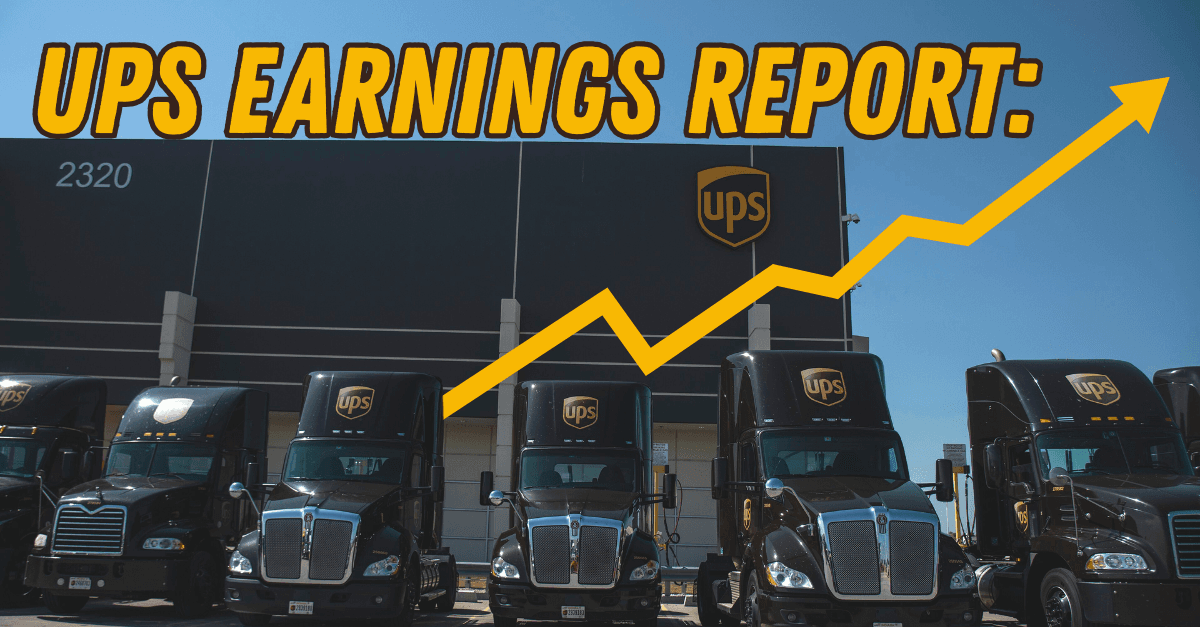
On April 28, 2026, UPS reported $1.27 billion in consolidated operating profit on $21.2 billion in consolidated revenue for the quarter ended March 31 while trimming Amazon volume and reshaping its network. Package handlers, drivers, feeders, mechanics, and part-time hub workers need to watch what that means on the floor.
Profit is holding while the network changes
On a non-GAAP basis, adjusted consolidated operating profit came in at $1.32 billion, with adjusted operating margin at 6.2% and adjusted diluted EPS at $1.07. Reported diluted EPS was $1.02, and the company reaffirmed full-year 2026 guidance.
In its earnings materials, UPS described the period as part of a broader network reconfiguration and said the benefits of the changes should build over time. The quarter topped Wall Street estimates even as volume declined. The company can show Wall Street profit while still arguing that it needs to keep changing the operation underneath it.
What “better, not bigger” looks like on the floor
UPS’s own framing is a “better, not bigger” strategy, corporate language for taking less low-margin work and focusing on the deliveries that pay better. For people in the buildings, that translates into fewer routes in some places, different service commitments, and more pressure to move the same amount of freight or packages with a tighter labor plan. When management says the network is becoming more efficient, the shop-floor question is whether that efficiency comes from better equipment and planning or from leaner staffing and more stretch in the day.
A profitable quarter gives workers an argument that the company can afford good wages, safe conditions, and stable jobs. TDU’s reading is sharper: UPS should not use financial strength as cover for unnecessary cuts to labor or benefits. The same earnings report that supports investor confidence also gives workers evidence that the company is choosing how to distribute the gains from restructuring.
Amazon volume is the pressure point
The clearest sign of that strategy is Amazon. UPS said in January 2025 that it would reduce Amazon shipping volume by more than 50% by the second half of 2026 as part of a broader restructuring. UPS’s 2026 investor materials show that the Amazon glide-down is now a deliberate part of the network plan, not a temporary hiccup.
For workers, volume cuts rarely land evenly. One building loses work faster than another. Some drivers see routes reconfigured, split up, or moved to different dispatch patterns. Part-time employees often feel it first through fewer hours, more uncertainty, and tighter staffing when the building gets quieter but the workload does not disappear.
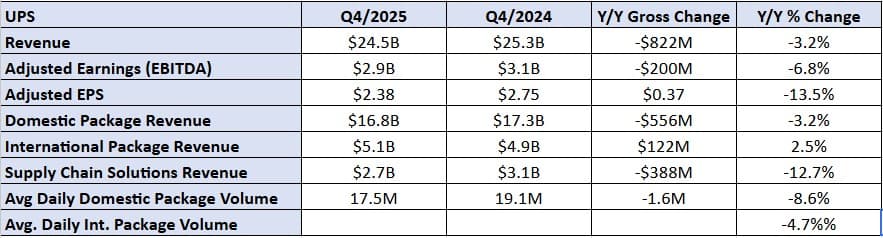
UPS plans to cut up to 30,000 operational jobs in 2026 through buyouts and attrition as it continues a major restructuring tied to fewer Amazon deliveries. That kind of reduction does not always come as a single layoff wave. It can show up as hiring freezes, fewer chances to move up, slower progression into driving, and pressure on those still waiting for full-time work. For part-timers trying to break into package car or feeder jobs, the path can get longer when the company is shrinking the work pool.
Why Teamsters are watching the numbers so closely
The International Brotherhood of Teamsters has repeatedly criticized UPS management over contract compliance and its treatment of workers, and TDU has been tracking the Amazon pullback and job cuts as part of a larger shift in workforce strategy. Their point is not that profit is bad. It is that profit does not automatically mean the company should be able to squeeze more out of the same people while trimming the labor side of the equation.
That is especially relevant inside a Teamsters-organized workforce, where contract enforcement and grievances shape how the network changes play out. When the company shifts volume, the union fight is often about who gets what work, how overtime is assigned, whether routes are being altered fairly, and whether management is living up to staffing and dispatch language. If UPS can post a 6.0% operating margin and a 6.2% adjusted margin while still arguing for a leaner operation, then the leverage battle moves from Wall Street back to the contract.
What workers should read into the next phase
- Watch for route changes and building-level volume shifts as Amazon work continues to fall.
- Watch for fewer hours, slower progression, and more buyouts or attrition if the operational headcount plan keeps tightening.
- Watch the grievance load, because every dispatch change, overtime dispute, or staffing cut is where the economics of restructuring become real.
This article was produced by Prism’s automated news system from verified source data, official records, and press releases, then run through automated quality and moderation checks before publishing. The system is built and supervised by the people who set the standards it runs under. Read our full AI policy.
Did this article answer your question?