UPS rolls out RFID sensing across U.S. package network
UPS has put RFID sensing in every U.S. delivery vehicle, facility and 5,500-plus UPS Store locations, giving managers a new way to track handoffs and delays.
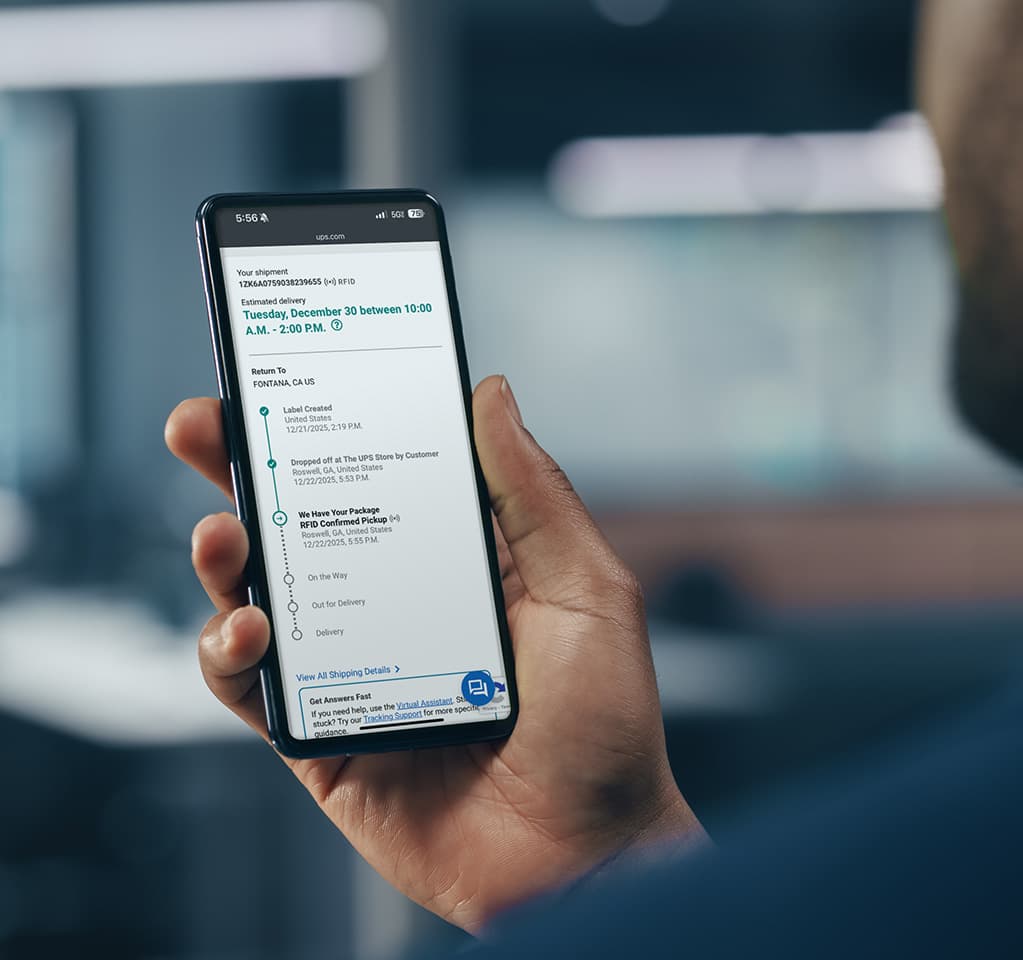
UPS has rolled out RFID sensing across its U.S. small-package network, putting the technology into every U.S. package delivery vehicle, every U.S. delivery facility and more than 5,500 UPS Store locations, including customer returns. The company calls it an industry first and says the system is meant to replace much of the old manual-scan process with near real-time tracking.
UPS says it has invested more than $100 million to develop and implement the technology as part of its Network of the Future strategy. In investor materials and its 2025 annual report, the company said it had already installed RFID readers in nearly 60,000 package cars in the United States, and a later SEC filing said the RFID labeling solution had been extended to 5,500 UPS Store locations and readers were completed across U.S. package cars. UPS says the change gives it more reliable package movement and tighter control over handoffs.
For package handlers, drivers, mechanics and supervisors, the shift cuts both ways. Better sensing can speed up exception handling and help resolve lost-package claims by showing where a parcel moved and where it stopped. It can also protect workers from being blamed for visibility gaps that came from the old scan system. But the same data can give management a sharper view of where volume slows, where delays pile up and which routes or buildings underperform, which could feed new productivity pressure if the numbers are used that way in day-to-day operations.

UPS has been building toward this for years. Trade coverage said the company began its Smart Package Smart Facility RFID initiative at about 100 facilities in 2022, completed the rollout across U.S. facilities in mid-2023 and then expanded into package cars. RFID Journal reported in 2024 that UPS was equipping all brown trucks to read RFID-tagged packages. UPS itself says the system can deliver real-time or near real-time visibility, automatic tracking without manual scans and earlier spotting of issues before delays grow into bigger service problems.
The scale matters inside a union workplace because UPS is not a small pilot operation. The company says it operates in more than 220 countries and territories and reported $91.1 billion in consolidated revenue in its 2025 annual report materials. At that size, a networkwide sensing layer does more than improve customer tracking. It changes what management can see, when it can see it and how often a missed handoff can become a data point in the next meeting or the next grievance.
This article was produced by Prism’s automated news system from verified source data, official records, and press releases, then run through automated quality and moderation checks before publishing. The system is built and supervised by the people who set the standards it runs under. Read our full AI policy.
Did this article answer your question?