UPS seeks aircraft maintenance technicians in Honolulu, requires FAA A&P license
UPS’s Honolulu mechanic opening shows the real entry bar: an FAA A&P license, not just airport experience. The pay can be strong, but the tests, hours and experience requirements are the price of admission.
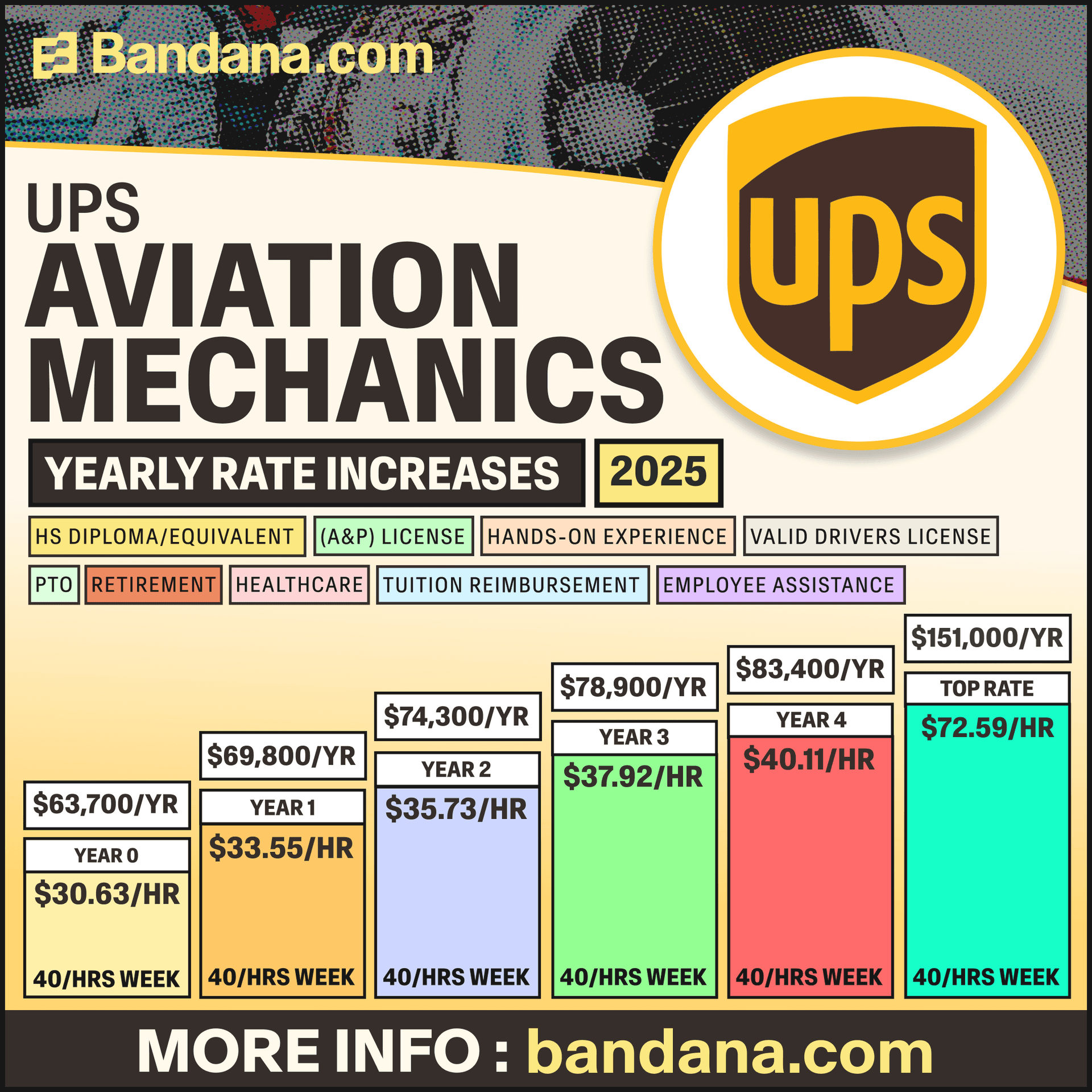
UPS is hiring aircraft maintenance technicians in Honolulu, and the posting makes the job’s gatekeeping plain. This is not a general aviation or airport role that you can slide into with warehouse experience alone; UPS asks for a high school diploma or GED, a valid FAA Airframe and Powerplant license, and a valid driver’s license.
The license is the first filter
That FAA A&P credential is the dividing line between watching aircraft operations and being trusted to sign off on them. The Federal Aviation Administration treats mechanic certification as a formal process, not a shortcut: applicants use FAA Form 8610-2, the Airman Certificate and/or Rating Application, and then have to pass written, oral and practical tests.
The experience path is just as specific. FAA guidance sets common thresholds of 18 months of experience for an airframe or powerplant rating on its own, or 30 months for both ratings together. You can qualify through approved schooling or documented hands-on work.
Package handling, driving and ramp work all sit closer to general operations; aircraft maintenance sits on the licensed side of the labor market. The A&P license gives students, veterans and working adults a much narrower target, but also a cleaner one, because the credential tells employers you can inspect, maintain and repair aircraft systems under FAA rules.
What the Honolulu posting signals
The job is not confined to Louisville or a few giant mainland hubs. UPS is looking for technicians in Hawaii, which is useful for anyone trying to build a maintenance career without waiting for a relocation opportunity to open at a larger base.
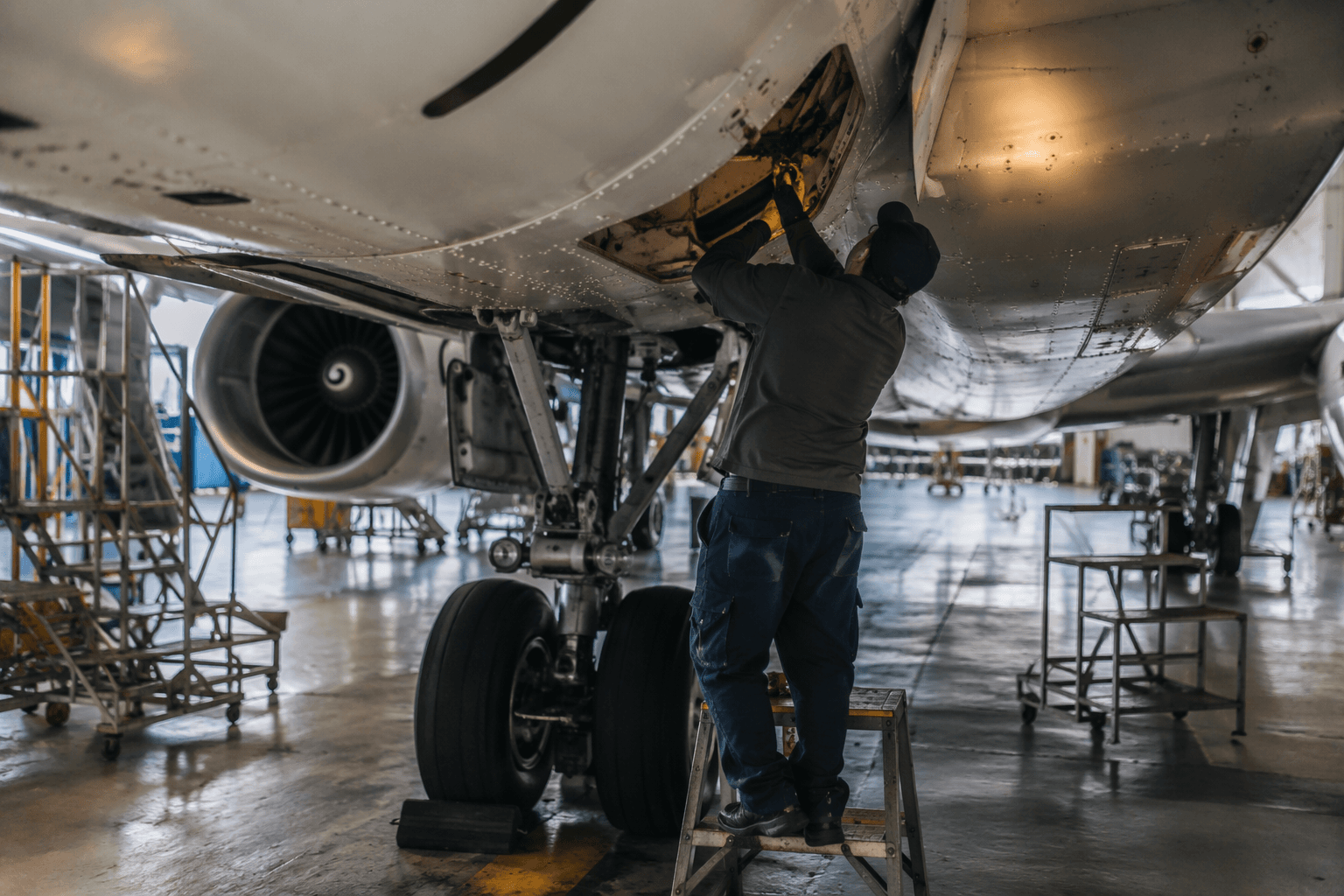
The posting also shows how UPS frames the role as part of a distinct career track. UPS Jobs separates Airline and Technicians into their own categories, reinforcing that aviation work is organized differently from package operations. It also shows UPS treats aircraft maintenance as a technical lane with its own standards and advancement path.
The practical reading is straightforward:
- you need the FAA license first
- you need the paperwork and test sequence the FAA requires
- you need to be ready for airport work, not office work
- you need to treat the role like a trades career, not a stepping-stone job
The barrier is high, but the qualification is portable, and it can carry you into other airline or maintenance roles if you build the right experience.
UPS is building aviation pipelines, not just filling openings
The company’s FlightPath program fits that picture. UPS Airlines and Ameriflight established UPS FlightPath to create joint opportunities for flight crew personnel, and Ameriflight designed the program in response to the pilot shortage.
FlightPath is aimed at students and early-career talent. UPS is not waiting for the external labor market to produce enough qualified people at the last minute; it is branding pathways that can pull workers into aviation earlier, then keep them inside the system. The company’s aviation business is big enough to support separate tracks for pilots, technicians and other specialized roles.
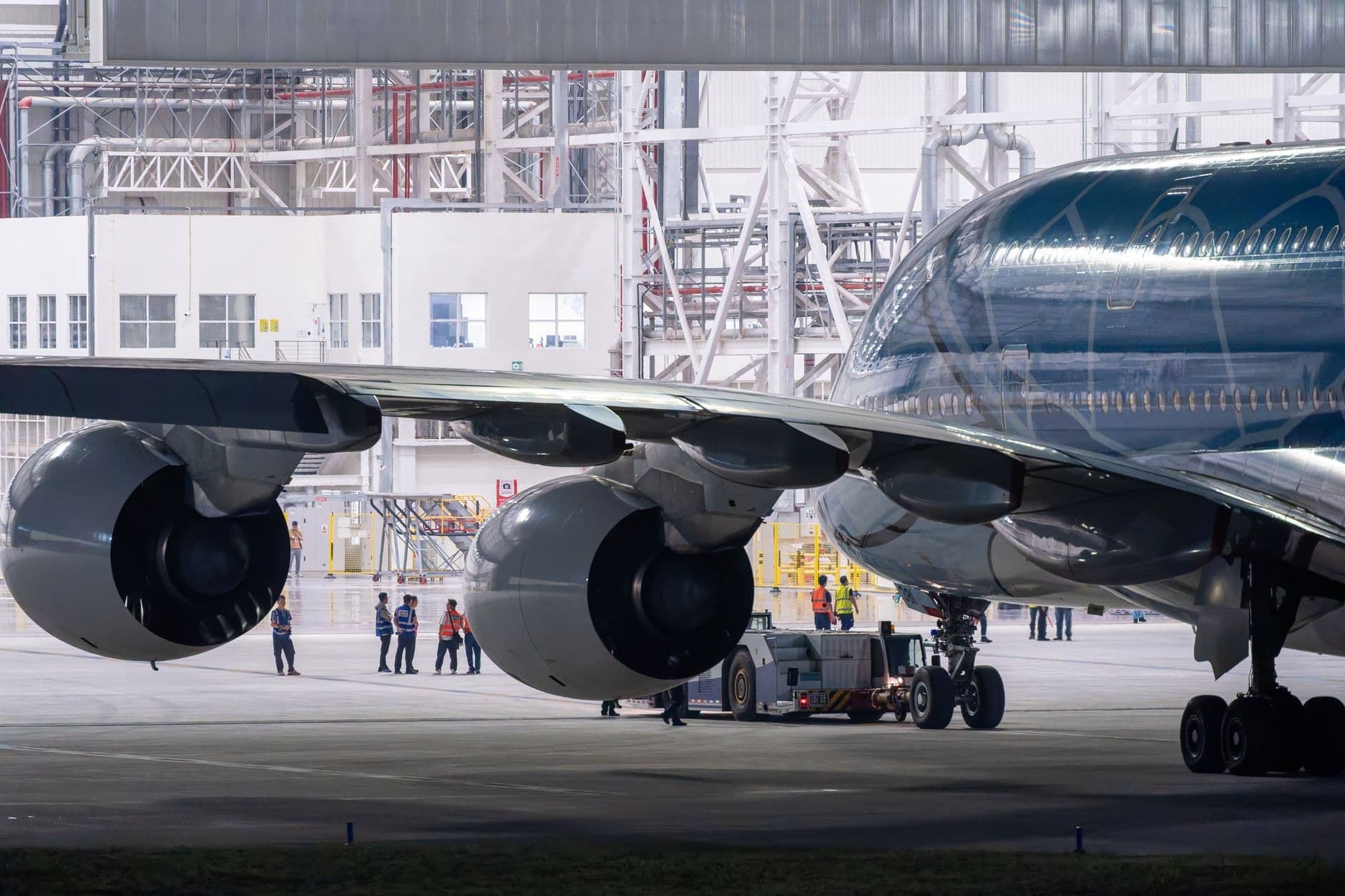
UPS serves more than 220 countries using more than 500 UPS and chartered aircraft, according to UPS Air Cargo. Its fleet mix includes freighters such as the 757-200F, 767-300F, A300-600F, 747-400F and 747-8F, and a UPS fleet fact sheet lists 490 aircraft total, including 269 UPS Airlines aircraft.
A network built around widebody freighters and a mix of aircraft types creates steady demand for technicians who can work on different platforms, and it rewards people who keep adding type experience instead of staying at one narrow skill level.
The ladder gets steeper, and the pay follows
UPS airline search snippets show line maintenance supervisor roles that may require five years of heavy jet maintenance experience, including work on Boeing 747-400, 747-8, 757, 767 and Airbus A300 aircraft. The ladder runs from the A&P license to aircraft-specific experience to supervision.
The money reflects that progression. Indeed’s UPS salary page lists average pay for an UPS Aircraft Maintenance Technician at about $89,612 a year in the United States, 21% above the national average. In Philadelphia, aircraft maintenance supervisor roles tied to UPS aviation jobs show pay of about $136,620 to $197,340 a year. The technical track can pay materially more once experience and responsibility pile up.
UPS’s maintenance culture also sits inside a heavily regulated operation. The company says it was the first major airline in North America to reach full fleet compliance with the new noise rules, which is another sign that aircraft work at UPS is built around standards, not improvisation. For technicians, that usually means more documentation, more discipline and more accountability, because every aircraft has to meet the rule set before it can keep moving freight.
This article was produced by Prism’s automated news system from verified source data, official records, and press releases, then run through automated quality and moderation checks before publishing. The system is built and supervised by the people who set the standards it runs under. Read our full AI policy.
Did this article answer your question?