UPS strategy page signals more automation, selective growth ahead
UPS is telegraphing a smaller, more automated network, and that means fewer low-margin moves, tighter staffing, and more pressure on routes, sorts, and hub work.
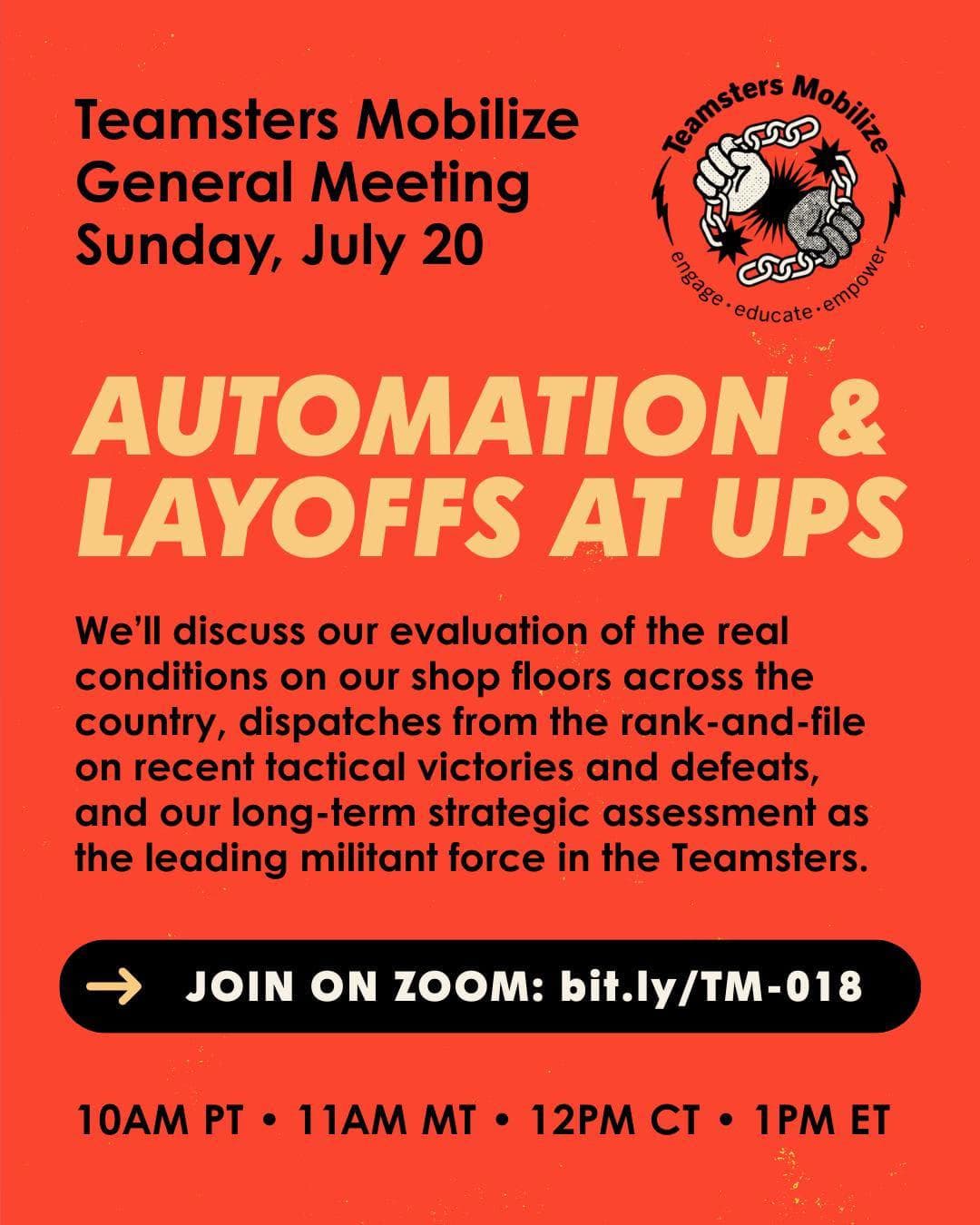
On Jan. 30, 2024, UPS announced it would cut 12,000 jobs. The move made the company’s strategy page read less like corporate branding than a preview of floor-level changes: network redesign, more automation, and a tighter filter on which packages, lanes, and customers get priority. For package handlers, drivers, feeder operators, mechanics, and the part-time crews who live with the fallout when volume shifts, that is the practical translation.
What the strategy language means in practice
UPS will keep its Customer First, People Led, Innovation Driven framework while moving under a “better and bolder” approach. The words sound broad, but the operational clues are specific: selective volume, productivity pressure, and a network that is being reshaped rather than simply expanded. For workers, that usually shows up as altered sort patterns, different building utilization, route density changes, and more management attention on scan compliance, exception handling, and time on task.
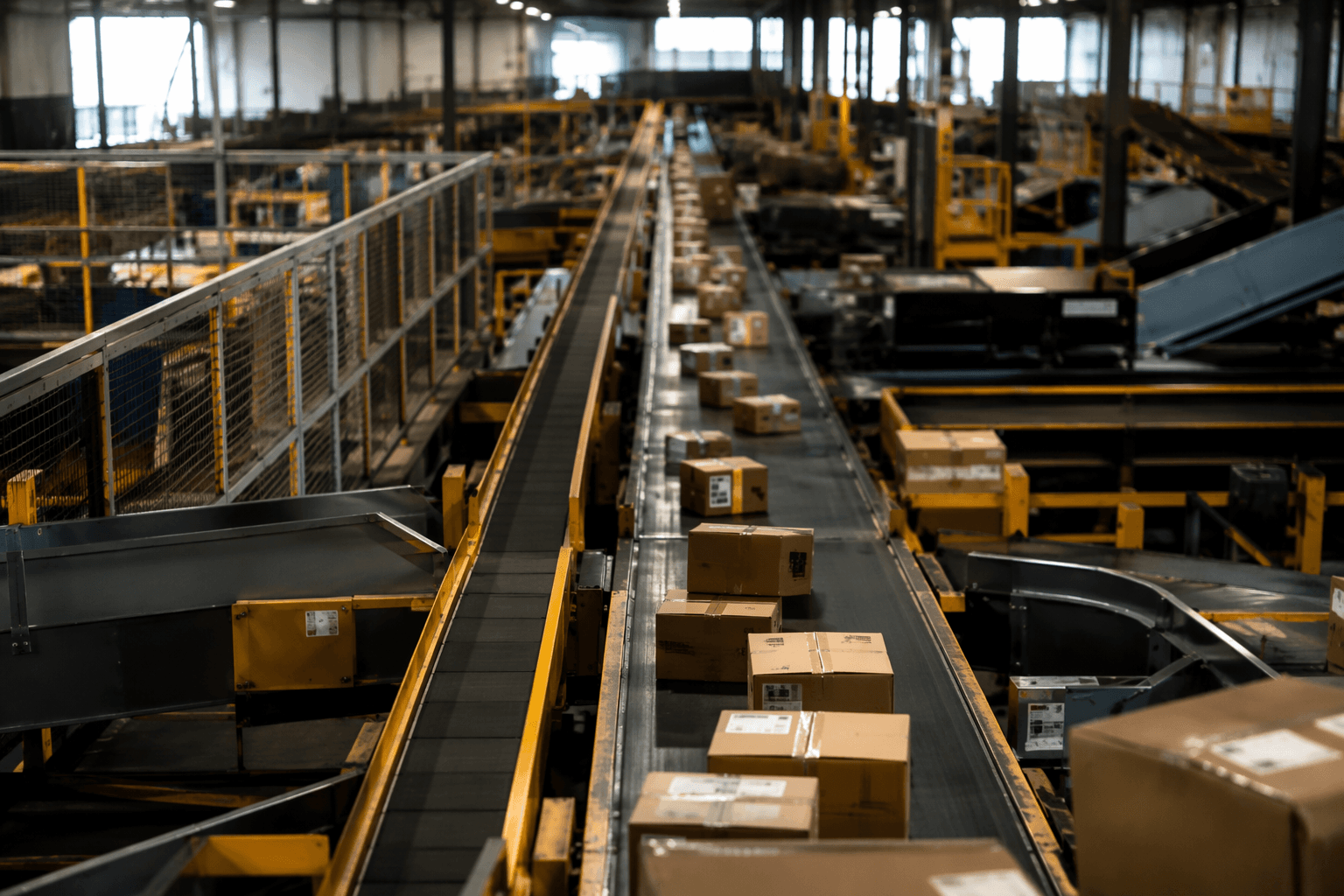
Network redesign can touch nearly every corner of the operation. In the hubs, it can mean sort flows moving through different belts, new automation equipment, or a building being asked to handle a different mix of volume. On the road, it can mean denser routes in some areas and thinner work in others, especially if UPS decides certain lanes are not worth the labor it takes to move them.
Automation is not a side note
Carol Tomé made the direction plain on CNBC when she said UPS was leaning toward automation “in ways we have never had before.” Workers should treat that as a warning about how the company plans to spend capital and where it expects to reduce manual touch points. Automation at UPS does not just mean a machine replacing a task; it often means work being reorganized around the machine, with fewer people doing more tightly choreographed jobs around the equipment.
For package handlers, that can mean fewer hands needed on a given sort, more pressure to hit engineered rates, and more scrutiny when the flow breaks down. For mechanics, it can mean more maintenance complexity and more demand for specialized troubleshooting as UPS installs new systems and integrates them into existing buildings. For drivers, automation may not sit in the truck, but it often changes the dispatch picture by shaping how much volume a building can process and how quickly it can load out.
The job cuts and the Coyote signal
UPS was also exploring options for its Coyote business as part of the restructuring push. That was not an isolated move. Taken together with the earlier job cut, it showed a company under pressure to simplify parts of the operation that do not fit the return profile it wants.
Cuts at this scale tend to ripple beyond the headlines. They can hit management layers, yes, but they also change staffing assumptions in buildings, back-office support, and the network planning that determines how many people are needed to cover volume. If a business line like Coyote is being reviewed, that is a sign UPS is willing to trim or rework pieces of the company that do not fit the rest of the strategy.
Why this is a labor story, not just a finance story
UPS’s 2024 and 2025 annual-report materials describe an enterprise-wide transformation that includes workforce reductions and changes in processes and technology across global distribution and delivery operations. The operating model itself is changing. Workers usually feel that most sharply through changes in workload, new technology rollouts, and the way managers enforce time, attendance, and production standards.
The numbers around the business explain why management is pushing now. On April 23, 2024, UPS posted first-quarter adjusted profit of $1.43 per share, down 35 percent year over year and above analyst estimates of $1.29. On July 23, 2024, UPS was still being pressured by high labor costs and weak small-package demand. That combination is exactly the kind of pressure that leads a company to talk more about productivity, profitability, and selectivity than about broad-based growth.
What the 2026 target tells workers
At its March 26, 2024 investor and analyst conference at Worldport in Louisville, Kentucky, UPS laid out three-year financial targets under the “better and bolder” banner. The investor-day materials projected 2026 revenue of $108 billion to $114 billion. The company was not just trying to shrink its way through a rough patch; it was trying to reshape the mix of business it carries.
For the floor, “selective growth” usually means more emphasis on higher-margin shipments and less patience for low-return volume. That can show up as tighter service standards on favored lanes, more aggressive network utilization, and a willingness to reassign or eliminate work that does not meet the target profile. If UPS is choosing better volume over bigger volume, the practical effect can be fewer easy hours in some buildings and more concentrated pressure where the remaining work lands.
Where Teamsters members should look first
The fastest way to see whether the strategy page is becoming reality is to watch the day-to-day grind in the buildings and on the routes. Package handlers should look for changes in sort timing, preload staffing, feeder trailer flow, and the amount of extra work management pushes when volume spikes. Drivers should watch for route density changes, more technology-driven monitoring of stops and exceptions, and any attempt to squeeze more deliveries into the same day.
Feeder drivers and mechanics should pay attention to network reconfiguration and fleet decisions. If UPS is pushing a redesign of the network, that can change linehaul balance, trailer turns, and maintenance priorities.
This article was produced by Prism’s automated news system from verified source data, official records, and press releases, then run through automated quality and moderation checks before publishing. The system is built and supervised by the people who set the standards it runs under. Read our full AI policy.
Did this article answer your question?