UPS Worldport anchors Louisville as a major aviation job hub
Worldport makes UPS a different kind of employer in Louisville: 20,854 air-ops workers, 269 jet aircraft and overnight sorting create jobs tied to the clock, not just the truck line.
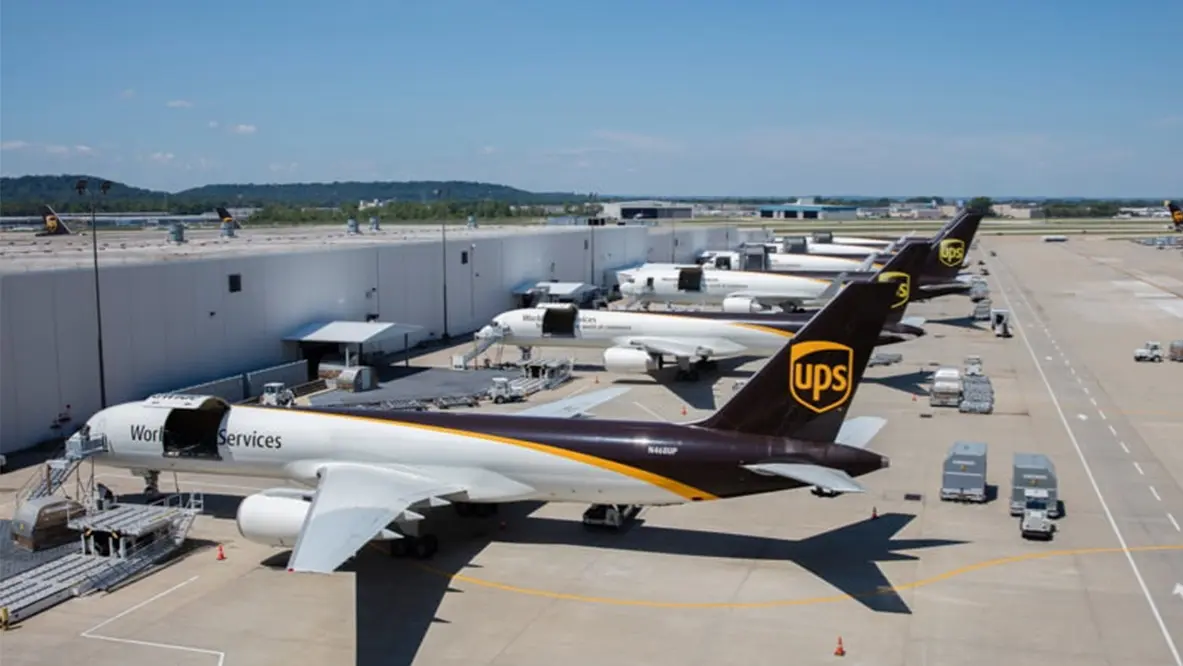
At Louisville Muhammad Ali International Airport, UPS Worldport employed 20,854 people on the company’s Louisville air operations team as of Dec. 31, 2025. UPS uses the site as its main U.S. air hub. For handlers, ramp workers, mechanics and supervisors, that scale means access to a rare internal labor market, but it also means life is organized around overnight sort windows, aircraft turns and the nonstop pressure to keep freight moving.
A hub that sets the schedule
UPS calls Worldport a “one of a kind” facility. It is the largest automated package sorting facility in the world, and UPS says the operation processes around 2 million packages a day, rising to more than 4 million during peak season. That volume is matched by a flight operation that includes 269 UPS jet aircraft, 221 chartered aircraft, 1,094 domestic daily flight segments and 875 international daily flight segments.
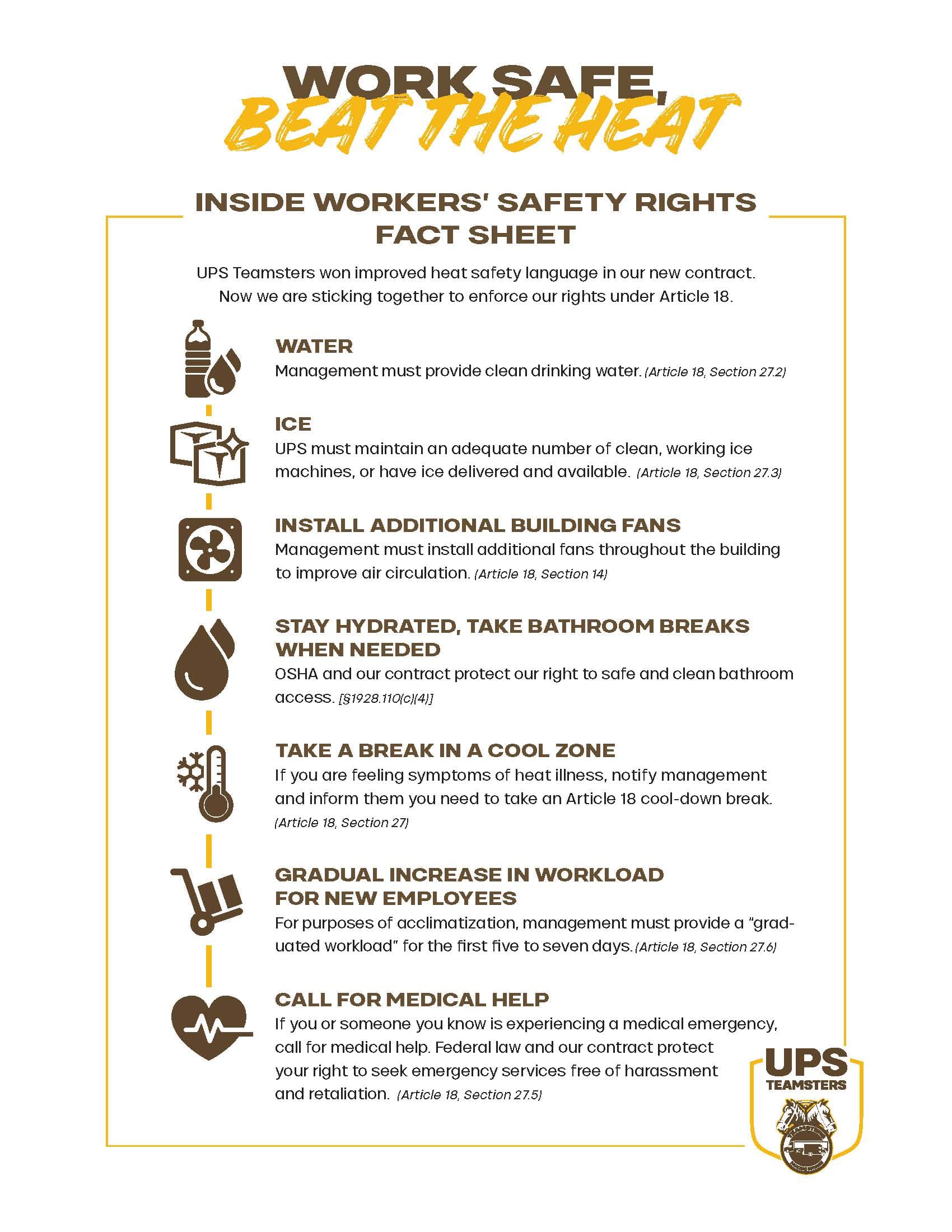
That flight schedule shapes the job. Worldport is not a standard warehouse where work rises and falls with a truck line; it is a hub where package flow, aviation timing and sort operations have to line up by the minute. In November 2025, the site hosted about 300 flights per day. The operation depends on keeping planes, package sorters, ramp crews, maintenance support and managers synchronized across a tight overnight cycle.
Why Louisville workers see a different kind of employer
UPS says its Worldport jobs make it the largest employer in the city, with over 20,000 people in the greater Louisville metropolitan area. Louisville city government puts the figure even higher: UPS is the largest employer in Metro Louisville with more than 25,000 employees working in air, ground and supply chain operations.
That difference reflects how wide the UPS footprint is in the region. Worldport is only one piece of a larger Louisville system that includes air work, ground operations and supply chain functions, so a job there can connect to more than one career lane. The Louisville headcount is large enough to absorb transfers, promotions and lateral moves without forcing people to leave the employer to change specialties.
The jobs clustered inside the campus
Worldport’s value to workers is not just the number of jobs, but the kinds of jobs packed into one place. A mega-hub creates more role variety than a small sort center, and Louisville reflects that. The operation brings together frontline hourly work, aircraft-related support, engineering and maintenance functions, supervisory tracks and jobs tied to safety, scheduling and network reliability.
- Package sort and load work that keeps the sort flowing through the night
- Ramp and aircraft support roles tied directly to flight schedules
- Maintenance and engineering positions that keep the air operation reliable
- Supervisory and planning jobs that coordinate timing, labor and safety
Someone can start in a hands-on role and later move into a more specialized operational or technical position without leaving the company. In a hub that large, skill-building is not abstract, because every delay or equipment issue can ripple through hundreds of flights and millions of packages.
How Worldport grew into this scale
UPS says its operations there began with a facility sorting about 2,000 air packages per day in the early 1980s. By 2006, UPS had begun a $1 billion expansion of Worldport that was projected to raise sorting capacity by approximately 37% to 416,000 packages per hour.
The campus now supports a global air network rather than a single local delivery wave. UPS says Worldport is the center point of that worldwide air network.
A workplace that feels more like a campus
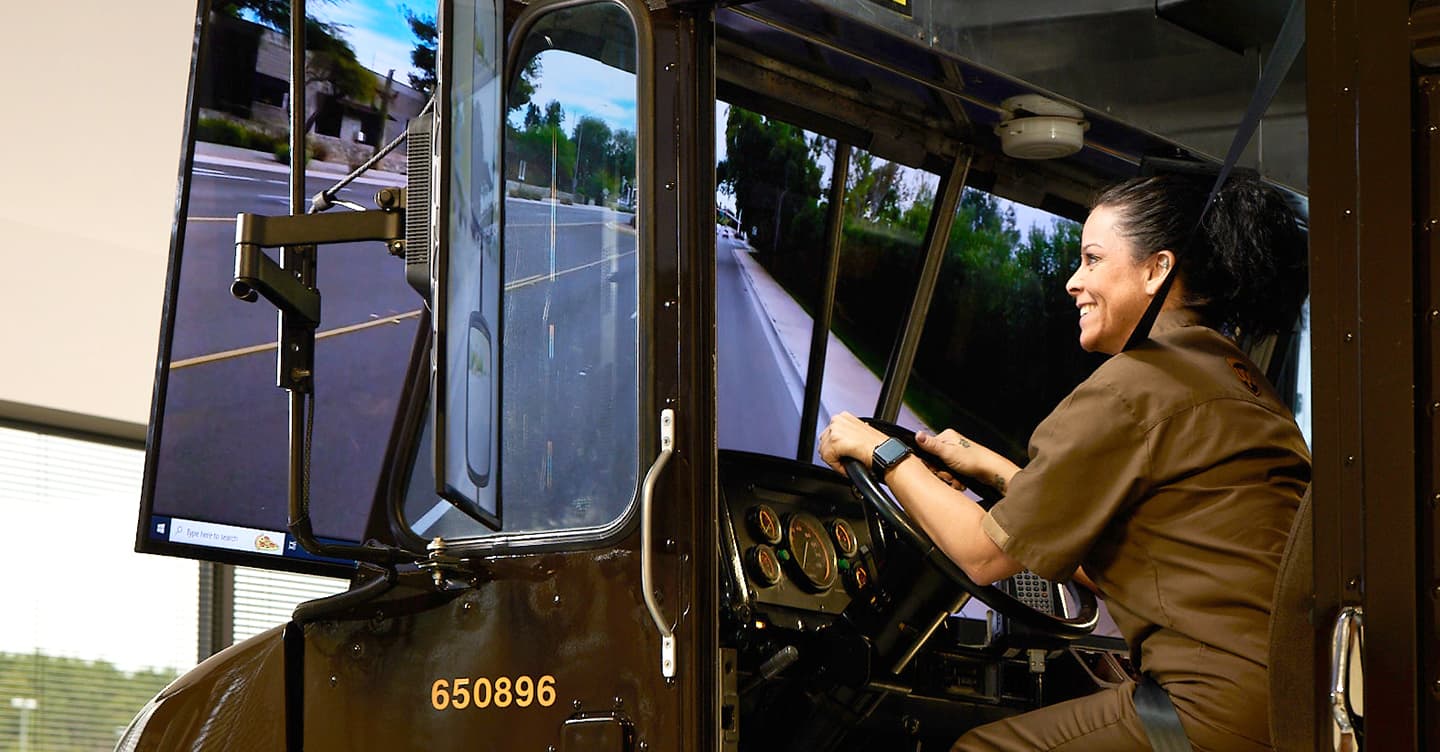
In 2024, Worldport included unusual amenities such as a hotel, taco trucks and flight simulators. For workers on overnight shifts or split schedules, the facility is built to keep people in the system while they wait, train, rest or rotate into the next phase of the operation.
UPS’s Louisville Air Group says that “a sense of mutual respect and mindfulness permeates our culture.” At a place where flight timing, package flow and maintenance all have to align, the operation depends on people who can coordinate under pressure and keep the network moving when volume spikes.
Why the job bargain is different here
The size of the Louisville operation creates a ladder that can move from hourly work into technical, aviation and supervisory roles, with enough depth that a career change can happen inside the same employer.
The tradeoff is that the work is governed by a clock that never really stops. Overnight schedules, faster turnover between flights, and the pressure of handling millions of packages a day make Worldport a place where pace is part of the job description.
This article was produced by Prism’s automated news system from verified source data, official records, and press releases, then run through automated quality and moderation checks before publishing. The system is built and supervised by the people who set the standards it runs under. Read our full AI policy.
Did this article answer your question?