AI boom shifts hiring toward skilled trades, what Walmart workers should know
AI is squeezing some entry-level white-collar paths while lifting skilled trades. For Walmart associates, the safer bet is technical training, not just tenure.
The labor market is rewarding the people who keep systems running
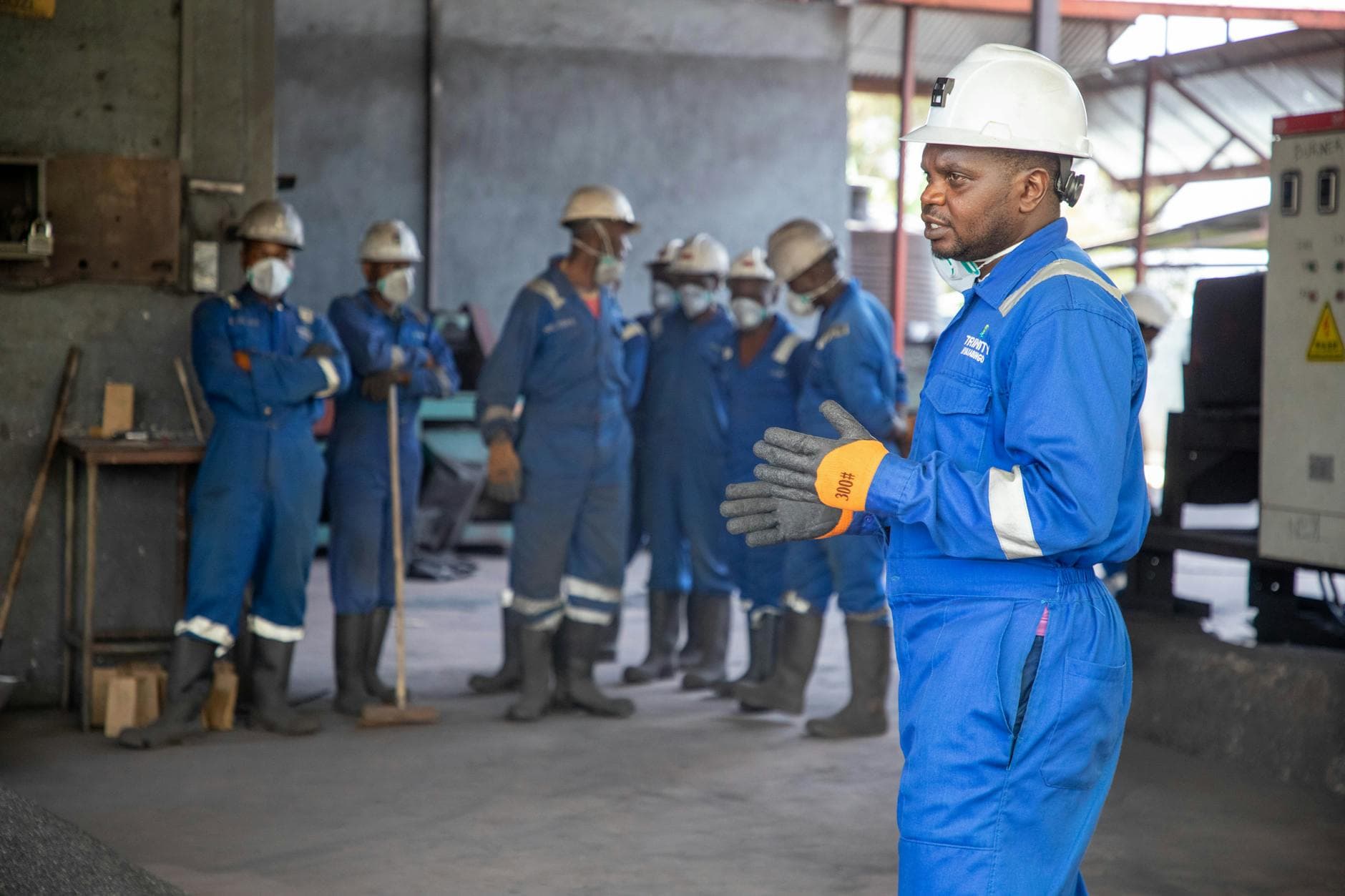
The clearest lesson from the AI boom is not that every job is getting automated away. It is that companies are putting more value on workers who can build, maintain, and troubleshoot the physical systems behind the technology. CNBC reported that AI-driven hiring slowdowns are hitting some entry-level jobs for college graduates, while employers like Ford and AT&T are stepping up recruiting for skilled trade workers.
That matters because the demand is not abstract. AT&T plans to invest about $38 billion over five years to hire and train blue-collar frontline workers, most of them skilled technicians, as it expands its fiber network. CNBC also reported in March 2026 that the AI data-center buildout is creating lucrative opportunities for trade workers and technicians. In plain terms, AI is not just changing who gets hired in offices. It is also creating pressure for electricians, maintenance workers, HVAC technicians, automation specialists, and other hands-on workers who can keep the infrastructure alive.
Why Walmart workers should pay attention now
For Walmart associates, this shift points to a bigger truth about retail careers: the most durable paths up are increasingly tied to operational skill. Store work still matters, but the labor market is sending a clear signal that technical capability, safety, and systems knowledge will matter more over time. That includes facilities maintenance, refrigeration, HVAC, logistics, equipment troubleshooting, and working confidently around automation.
This is where Walmart’s own career structure becomes relevant. The company says 90% of its U.S. roles do not require a degree, and its Skills-First initiative is meant to build career pathways to jobs with greater responsibility and higher pay. Walmart also says its Academy is one of the largest training programs in the United States, and that it has invested $1 billion in associate career training and development. For workers deciding whether to stay in retail or pivot toward something steadier, that combination of internal mobility and practical skills is a real opening, not just a slogan.
What Walmart is already offering
Walmart has been unusually explicit about where associates can go next. The company says hourly store and supply-chain associates can move into facilities maintenance, refrigeration and HVAC, and reliability and automation technician roles. Walmart Careers also points to multi-skilled technician work in maintenance, and one example on its careers material highlights Jonathan, a Walmart associate who built a career as a multi-skilled technician.
That matters because these are the kinds of jobs that tend to hold leverage when the labor market gets uncertain. They sit closer to the machinery of the business than to the most easily replaced front-end tasks. For associates trying to move beyond a standard hourly role, that means thinking in terms of transferrable skills: operating equipment, reading inventory systems, working safely around automation, and learning how to diagnose problems before they become outages or waste.
Walmart’s broader employment pitch reinforces that point. The company says 75% of its salaried managers began as hourly associates. That tells current workers something important about how the company wants to grow its leadership pipeline: not just through degrees, but through experience, training, and movement across functions. For a department manager or assistant manager, that also suggests retention improves when associates can see a real next step instead of a dead-end schedule.
The training path that looks strongest right now
The smartest training strategy is not necessarily a four-year degree for every worker. Walmart’s own education and career messaging points more toward certificates, technical credentials, and job-specific training. In 2024, Walmart said its Live Better U education benefit had given more than 126,000 associates access to education opportunities. The program launched in 2018 as a $1-a-day benefit and dropped the fee in 2021. Then in 2023, Walmart said it was shifting Live Better U toward more short-form certificates to help associates move into in-demand jobs at Walmart or elsewhere.
That shift makes sense in an AI-shaped market. If companies are valuing technicians and trades more highly, then short, targeted credentials can be more useful than broad academic programs that take longer to pay off. For Walmart associates, the strongest bets are likely to be credentials tied to maintenance, refrigeration, HVAC, automation, logistics systems, and equipment repair. Those skills can travel across retail, warehousing, distribution, and facilities work, which gives them more staying power than a single job title.
What the Associate-to-Technician program signals about the future
Walmart has also acknowledged a practical problem inside its own workforce: a large portion of its maintenance technician population was nearing retirement. In response, the company created its Associate-to-Technician program to train the next generation of skilled trades workers. In 2025, Walmart said it was expanding that program to new training locations in Indiana and Florida.
That is more than a workforce-development headline. It is a sign that the company sees maintenance and technical roles as harder to replace and harder to ignore. If an employer is building a pipeline because the existing one is aging out, that usually means the role has real bargaining power. Associates who can enter those tracks early may have better pay stability than workers stuck waiting for promotion in a crowded store ladder.
What managers should do differently
For store leaders, the lesson is not simply to encourage people to “upskill.” It is to make the pathway visible and operational. Associates are more likely to stay when they can see how a maintenance, technician, or supply-chain role connects to actual schedules, pay growth, and career mobility. That means talking plainly about openings, training timelines, and what skills are needed before someone can move from an hourly store role into a technical job.
It also means treating training as retention, not charity. If the market is pulling technically skilled workers toward AI infrastructure, data centers, fiber networks, and other physical buildouts, retail employers will lose people unless they can match that momentum with credible pathways of their own. Walmart already has pieces of that model in place: Academy, Live Better U, Skills-First, and Associate-to-Technician. The question for workers is whether they use them to move into roles with more leverage before the market makes that decision for them.
This article was produced by Prism’s automated news system from verified source data, official records, and press releases, then run through automated quality and moderation checks before publishing. The system is built and supervised by the people who set the standards it runs under. Read our full AI policy.
Know something we missed? Have a correction or additional information?
Submit a Tip