AI memory boom pushes up Walmart electronics prices
Memory-chip costs are already lifting prices on Walmart tablets and laptops, and thinner stock could make customer conversations harder on the sales floor.
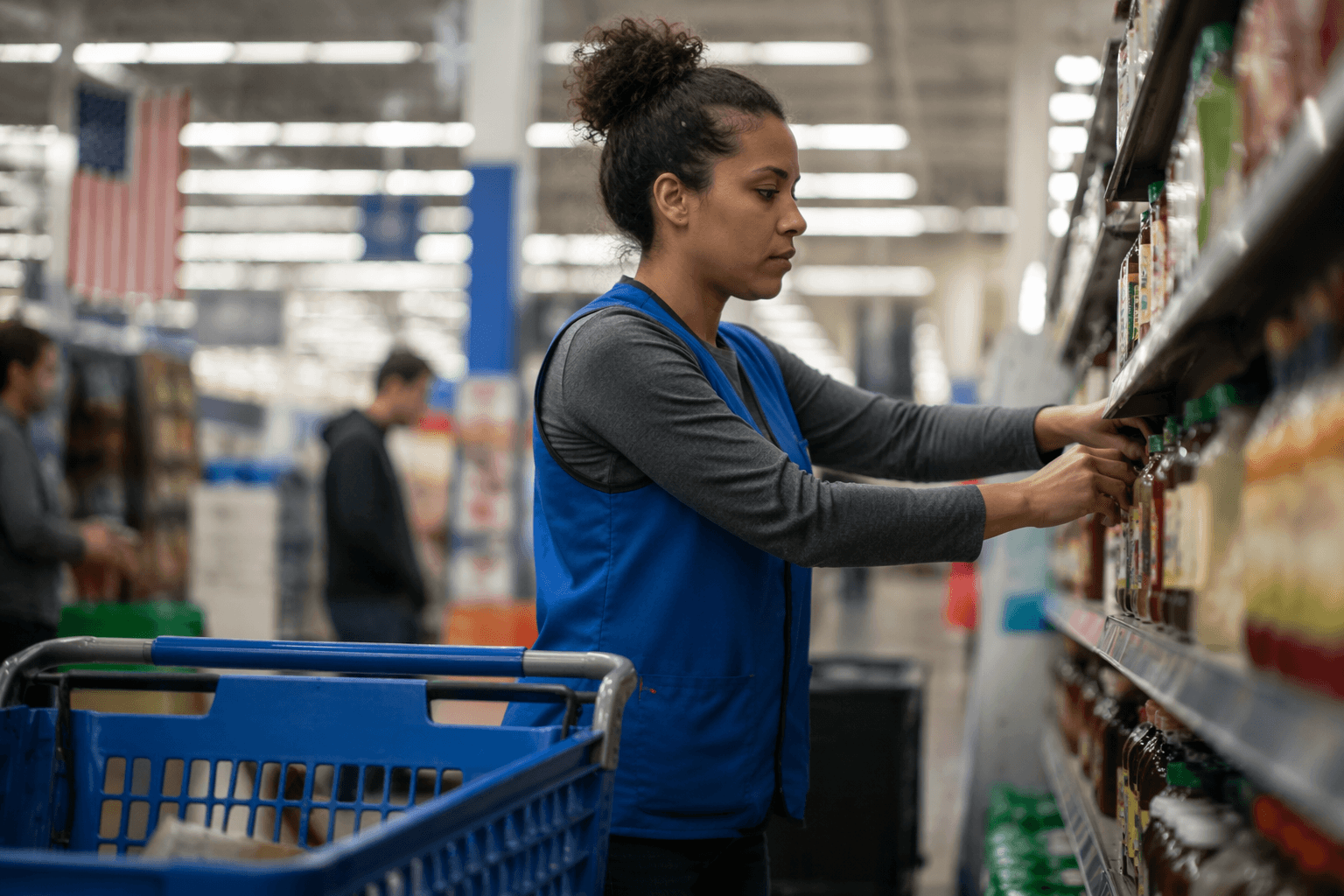
At Walmart, higher memory-chip costs show up first in electronics labels, in customers asking why a laptop costs more than it did earlier this year, and in shelves that empty faster on the models shoppers want most.
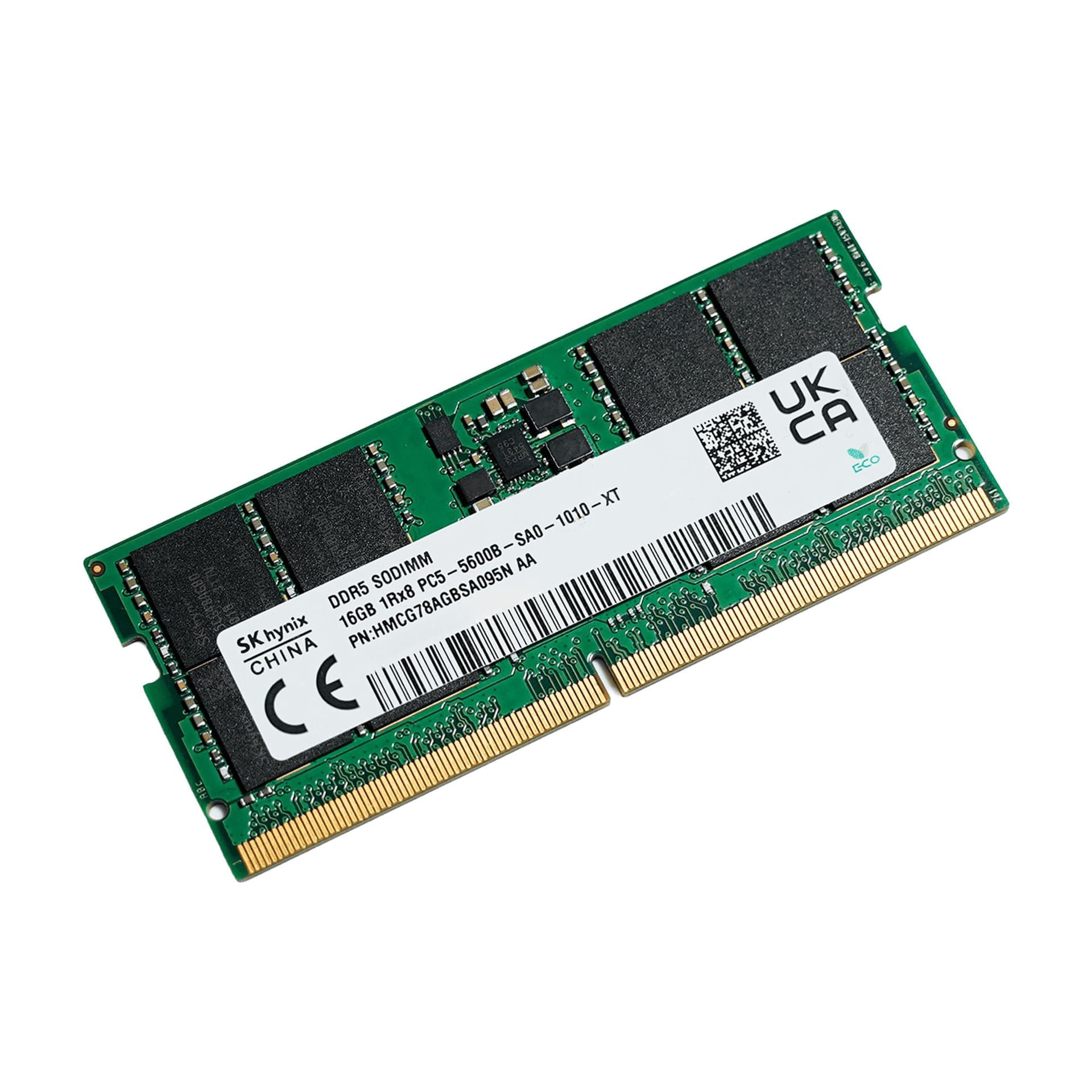
The pressure starts with RAM, which is essential for phones, tablets and laptops. The shortage is being driven largely by demand from AI data centers. In January, Micron Technology, SK Hynix and Samsung Electronics made up nearly the entire RAM market, leaving the supply side concentrated and vulnerable when demand spikes. The Synopsys chief executive said the memory-chip shortage could last through 2027.
On Jan. 22, global demand for smartphones, personal computers and gaming consoles was expected to shrink in 2026 as companies including Raspberry Pi and HP Inc. raised sticker prices to offset surging memory-chip costs. On June 25, Apple raised iPad and MacBook prices after saying it could no longer shield customers from soaring memory and storage chip costs tied to the AI industry’s datacenter buildout.

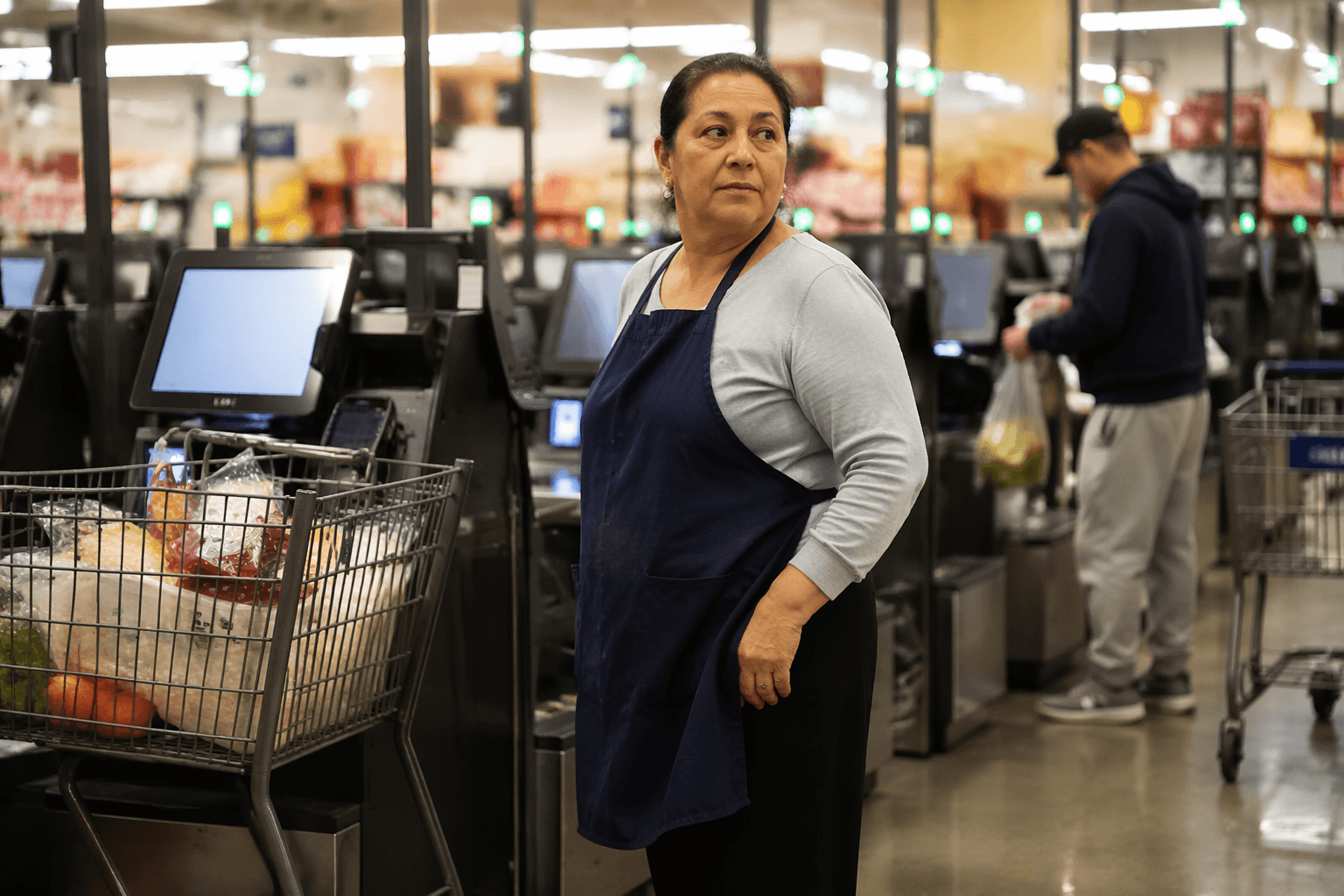
The sharpest pressure is in portable PCs and tablets, where memory and storage costs can move the final price quickly. Associates will hear more complaints about higher tags, more questions about financing and bundle deals, and more hesitation before a customer commits to a purchase. Managers also have to explain why assortment is shifting toward lower-cost models, why some promotions are less aggressive, or why certain sizes and configurations disappear faster than expected.
On June 3, groups representing automakers, retailers and electronics firms warned the U.S. Treasury Department and U.S. Commerce Department that the memory-chip imbalance could lead to “significant and sustained near-term price increases for American households” and disrupt supply chains. Walmart's planned rollout of digital shelf labels to every U.S. store by the end of 2026 could make price changes easier to post.
This article was produced by Prism’s automated news system from verified source data, official records, and press releases, then run through automated quality and moderation checks before publishing. The system is built and supervised by the people who set the standards it runs under. Read our full AI policy.
Did this article answer your question?