Rhode Island sets first staffing rules for grocery self-checkout
Rhode Island became the first state to force grocery self-checkout staffing ratios, requiring one manual lane for every three kiosks and a dedicated attendant.
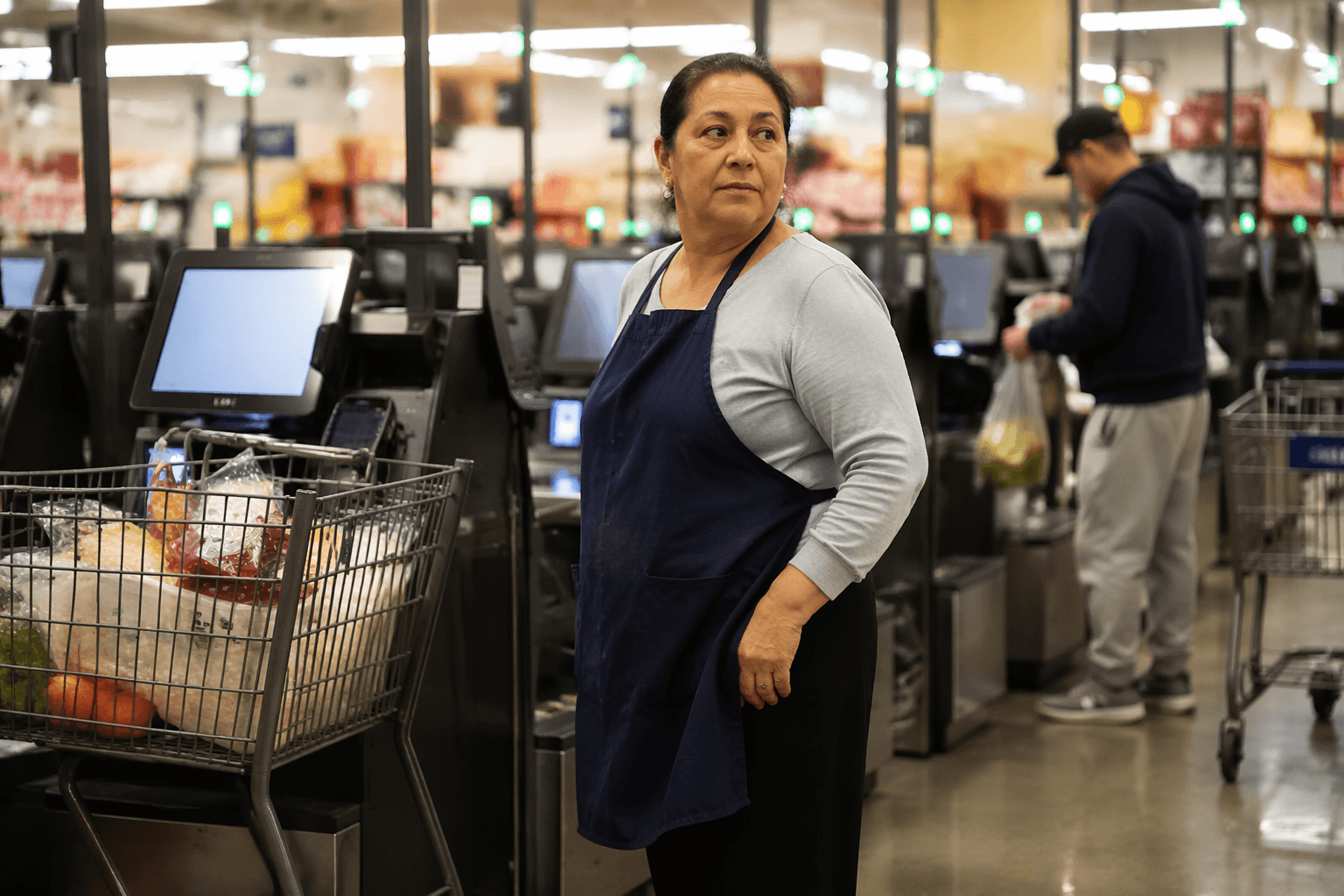
Rhode Island became the first state to put formal staffing rules around grocery self-checkout into law, requiring one manually staffed lane for every three self-checkout stations and barring a worker assigned to that zone from juggling other duties at the same time. The Self-Service Checkout Stations Act, which took effect after the Rhode Island General Assembly approved it on June 11, set a new baseline for how grocery stores must staff the front end.
The bill applies to every Rhode Island grocery store that offers self-service checkout. It also requires at least one manual checkout lane to remain open for Americans with Disabilities Act compliance, and the legislature’s explanation says the measure caps self-checkout use while setting a minimum manual-to-self-checkout ratio. The law carries financial penalties for stores that do not comply.
Governor Dan McKee signed the bill on June 25 in a bill-signing event with UFCW Local 328. UFCW called it the first statewide self-checkout staffing ratio in the country and backed the measure as a response to workers being spread too thin when too many kiosks are left under one attendant’s watch. The union also said retail theft cost Rhode Island $17.1 million in lost sales taxes in 2022 and said thefts are 16 times more likely to happen at self-checkouts than at employee-managed registers.
Retailers warned that the rule could slow lanes and raise labor costs, a familiar front-end argument in stores where self-checkout has been used to absorb traffic without adding much headcount. For Walmart associates and managers, the Rhode Island law is less about one state’s grocery aisles than about the direction of the labor debate: whether a self-checkout attendant should be dedicated to that area or expected to cover other tasks at the same time. If more states follow, front-end staffing plans could face tighter ratios, more pressure to keep traditional lanes open, and less flexibility to pull attendants away for carts, returns, or backup at customer service.

That matters in Walmart stores because self-checkout sits at the intersection of speed, shrink, and labor planning. A rule that forces one worker to stay with three kiosks would change how front-end coverage is built, how many associates are needed on busy shifts, and how much management can stretch one person across multiple responsibilities.
This article was produced by Prism’s automated news system from verified source data, official records, and press releases, then run through automated quality and moderation checks before publishing. The system is built and supervised by the people who set the standards it runs under. Read our full AI policy.
Did this article answer your question?