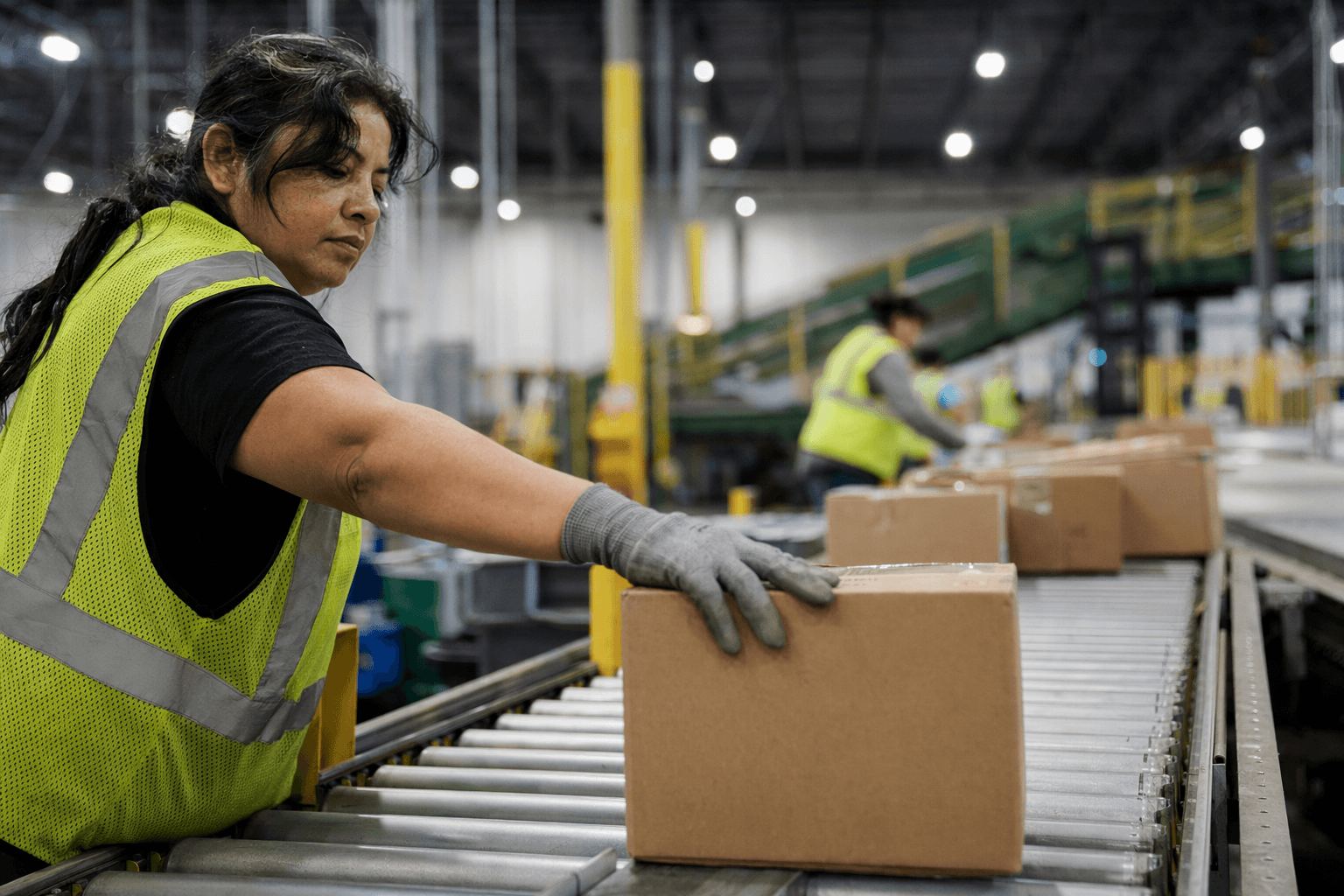
Albertsons launches AI produce checks to support Walmart-style quality control
Albertsons is using AI to grade strawberries and grapes in select distribution centers, with human inspectors still signing off.
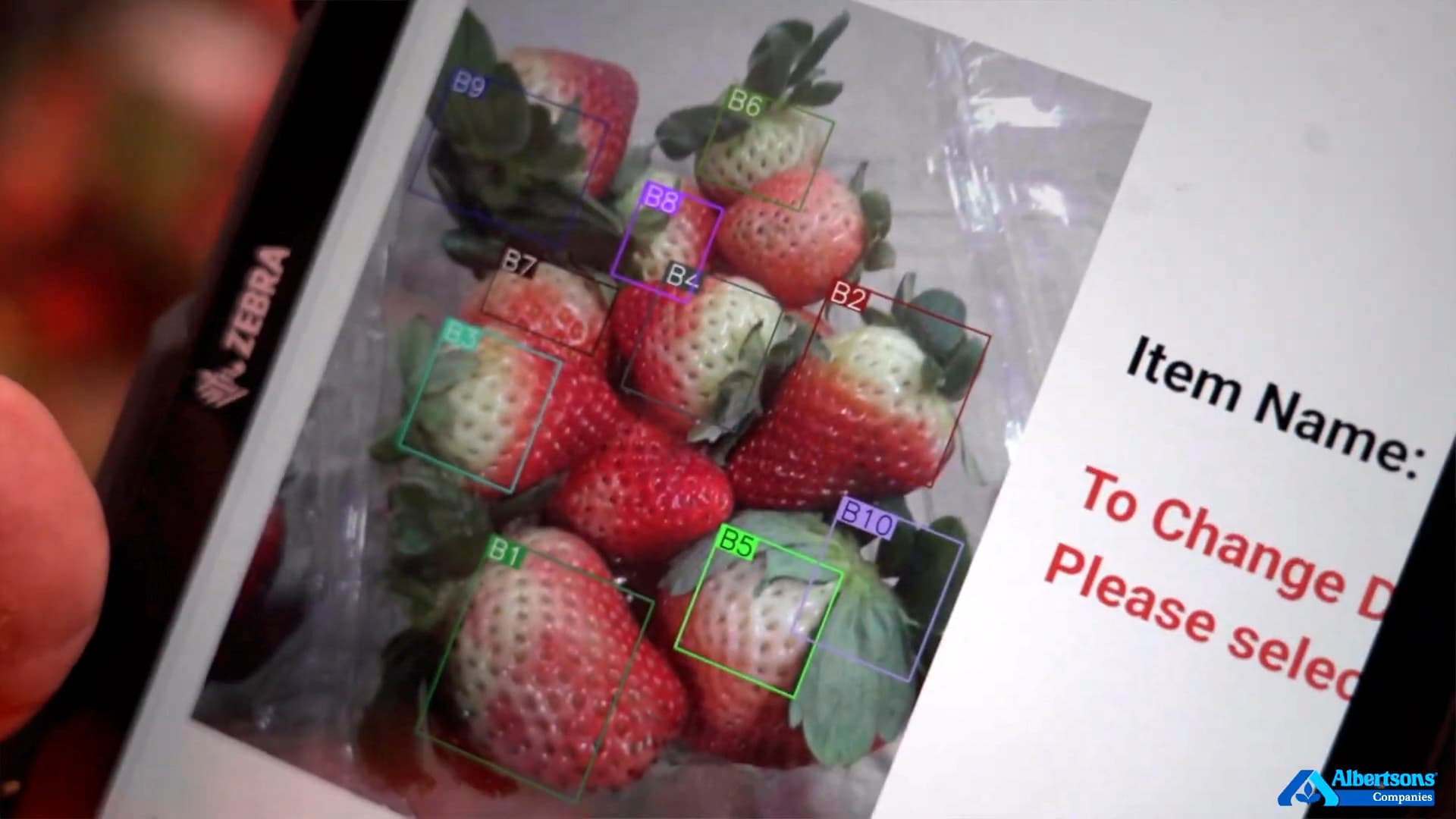
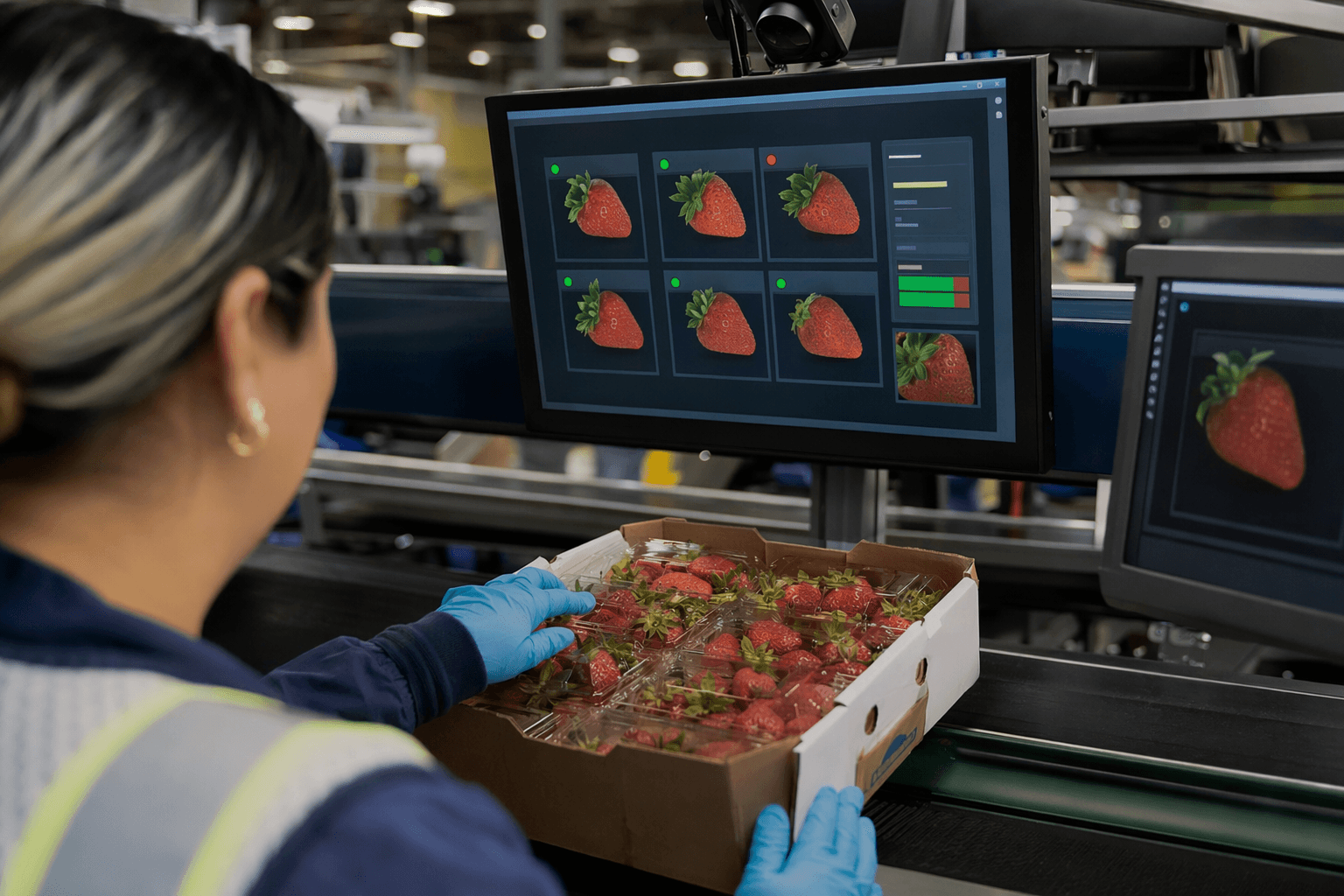
Albertsons has started using an AI system to grade strawberries and red and green grapes in select distribution centers before the product moves to stores, a step that points to where fresh-food quality control is heading across grocery. The patent-pending tool, called Intelligent Quality Control, uses computer vision and Google Cloud’s Gemini Enterprise, including Vision AI and Gemini models, to produce a quality rating and recommendation that a human inspector must review and approve.
The rollout matters because Albertsons is not presenting the system as a substitute for the people who inspect produce now. The company says the tool was built in-house by its technology and supply chain teams with advisory support and infrastructure from Google Cloud, and early results have shown better consistency across locations and shifts, fewer grading differences from one inspector to another and faster inspection times. Evan Rainwater, Albertsons’ chief supply chain officer, said the system was designed to support quality inspectors in distribution centers and that it has helped increase the consistency of ratings for highly perishable fruits and vegetables.
That is the job-process change Walmart workers should watch. In fresh operations, the work is not just about seeing whether produce looks acceptable. It is about making the same call the same way under pressure, across shifts, and before shrink starts on the sales floor. If systems like this spread, inspection routines could become more standardized, with more time spent checking the machine’s recommendation, more training on how to override it, and more attention from managers on consistency rates, exception handling and documentation. Human judgment would still matter, but the system would increasingly set the frame for what counts as acceptable.
Albertsons’ wider AI strategy suggests this is not a one-off test. Chief technology and transformation officer Anuj Dhanda said the company’s top AI priorities for fiscal 2026 are digital customer experience, merchandising, labor and supply chain, and described those efforts as long-term investments rather than pilots. That puts the produce-inspection rollout in the middle of a broader push to use AI as an operating tool, not just a customer-facing feature.
For Walmart, the comparison is direct. The retailer has already invested heavily in automation and AI in grocery distribution centers, including quality inspection and perishable-goods processing. As Albertsons and Walmart both push more intelligence deeper into the supply chain, the likely result is tighter standards, earlier rejection of poor product and more pressure on store and DC teams to work with systems that flag problems before they reach customers. In fresh, that can mean fewer bad berries on the shelf. It also means less room for inconsistency from one associate, one shift or one building to the next.
Know something we missed? Have a correction or additional information?
Submit a Tip