Amazon’s AI push signals tougher tech race for Walmart workers
Amazon’s AI and chip spending may look distant, but it could reshape Walmart schedules, forecasting, and customer service. For workers, the real issue is faster tools and tighter expectations.
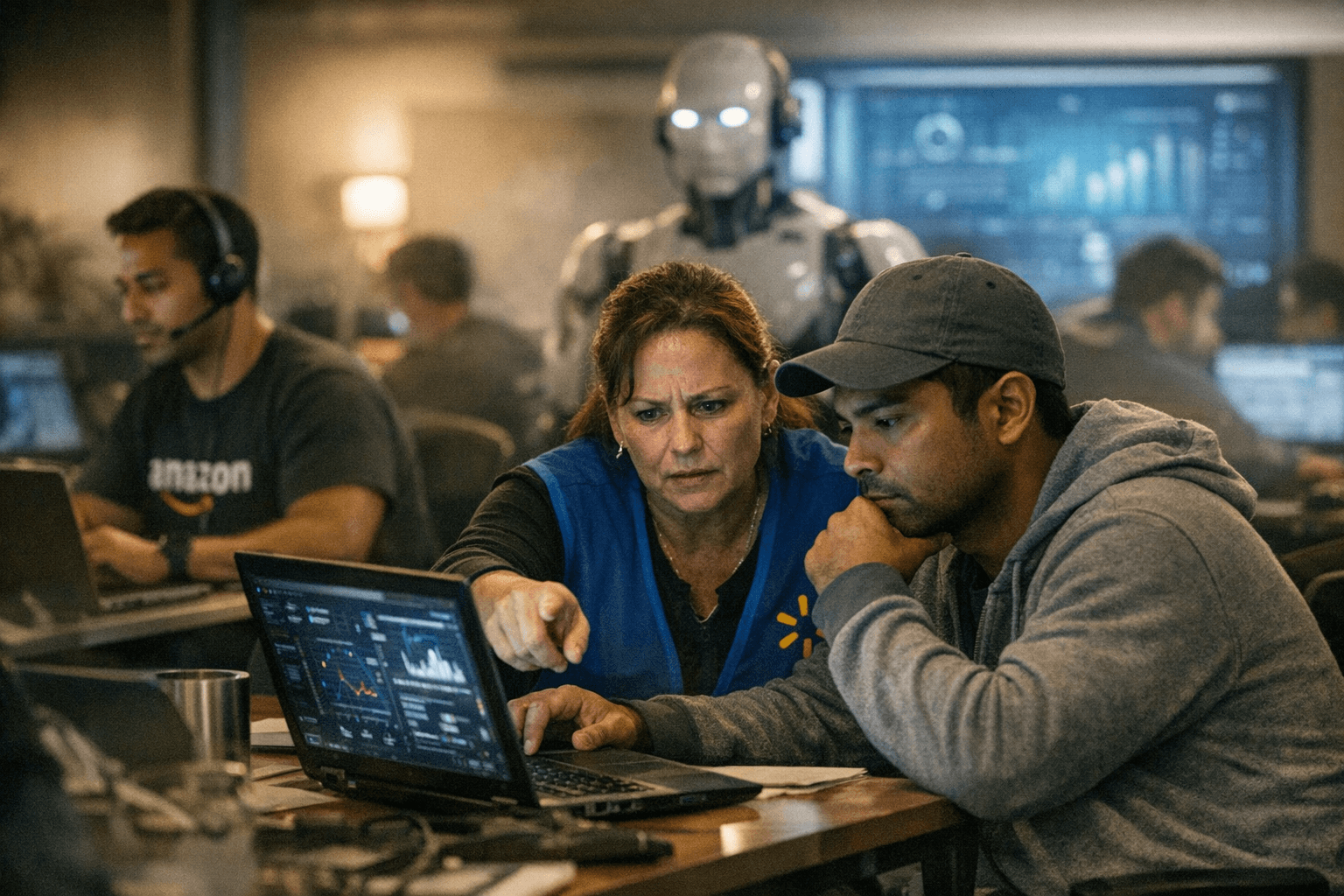
Why Amazon’s AI push matters to Walmart
Amazon’s latest AI and chip headlines are not about Walmart on paper, but they do point to the direction retail is heading. When a giant retailer gets a high-profile AI customer or expands its custom silicon business, it sends a signal that the next competitive fight will be decided by computing power as much as by store count.
That matters on the Walmart side because retail technology is no longer built in neat silos. Warehouses, delivery networks, recommendation engines, search tools, and customer support systems increasingly depend on the same cloud, AI, and chip ecosystems that power the rest of the internet. In practice, that means one company’s investment can ripple into the expectations every other large retailer faces.
What changes first: forecasting, pricing, and order flow
The most immediate effects are usually invisible to shoppers but obvious to the people running stores and fulfillment work. Better AI systems can improve demand forecasting, sharpen pricing decisions, route orders faster, and predict inventory needs with more precision. That can reduce some of the routine guesswork that eats time in stores and back rooms.
For hourly associates and team leads, the catch is that a better system usually does not mean a lighter workload. It often means fewer low-value tasks, but higher expectations for speed, accuracy, and response time. If the software is better at anticipating what should happen next, managers may expect the store to react faster when the forecast is off, a truck arrives late, or demand spikes in one department.
How labor planning can change without changing the schedule sheet
Amazon’s AI momentum also matters because retail leaders tend to talk about efficiency and technology in the same breath. Once systems get better at predicting sales, traffic, and order volume, labor planning gets more data-driven too. That can influence how many people are scheduled, where they are placed, and how quickly managers expect shifts to flex when conditions change.
For Walmart workers, that does not necessarily mean fewer jobs. It more often means a different kind of pressure: more emphasis on judgment, exception handling, and customer-facing work. If a tool can handle routine planning, the people on the floor are left to solve the messy parts that software still cannot manage well, from substitution issues to late freight to customer complaints.
What this means for training and performance expectations
A more automated retail operation changes the value of training. Workers who can use new systems quickly, interpret alerts, and act on exceptions will matter more than ever. That raises the premium on associates who can move between tasks, adapt when the system breaks down, and still keep service moving.
It also changes how performance gets measured. If AI helps reduce busywork, management may use the saved time to demand more output elsewhere. That can show up as tighter metrics, faster response expectations, or a bigger focus on how well associates use the tools they are given. The practical message for workers is simple: new technology rarely arrives as pure relief. It usually arrives with a new standard attached.
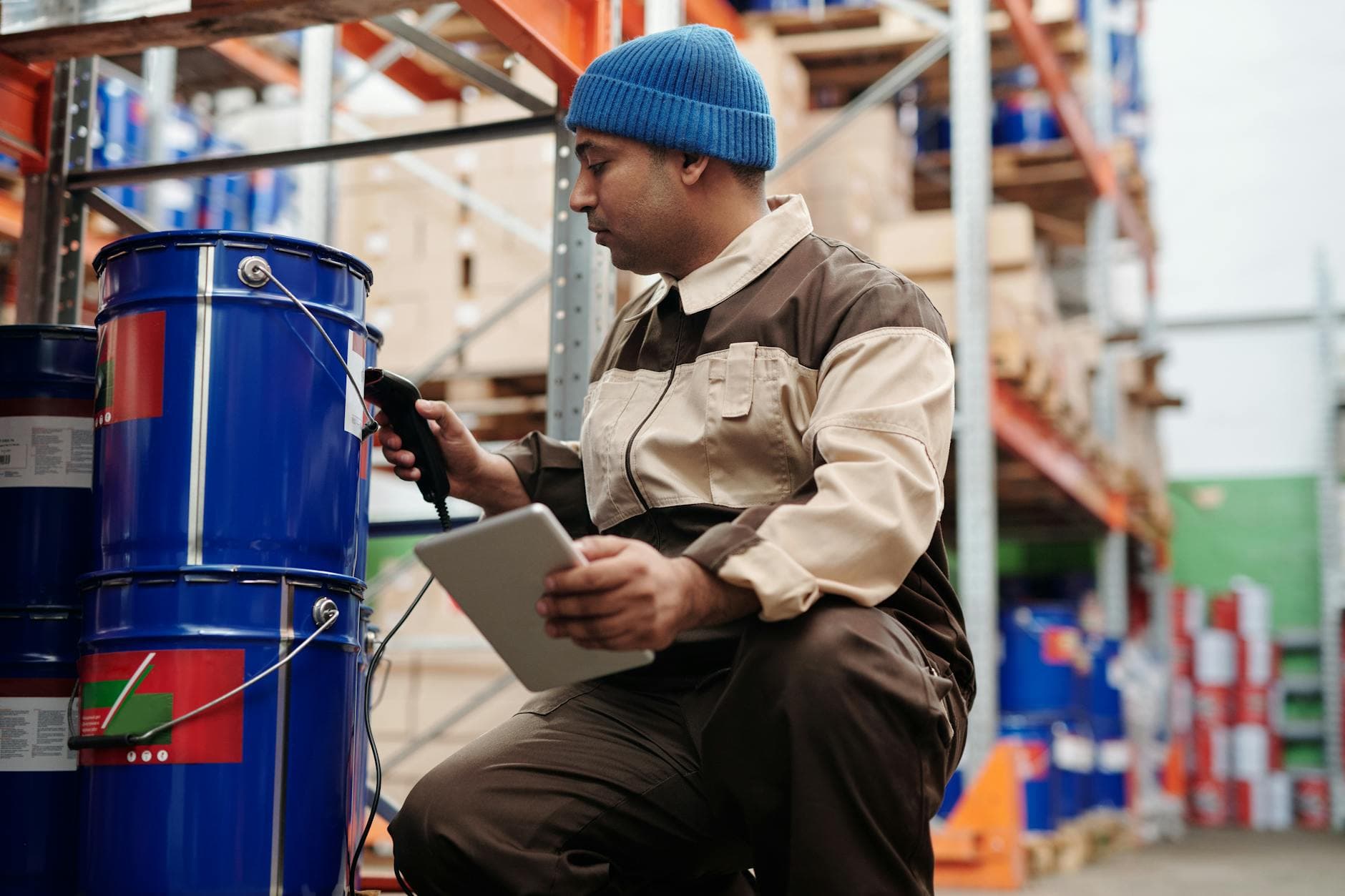
Where Walmart workers will feel it on the floor
The workers most likely to feel the impact first are the people closest to inventory, service, and execution. The changes can show up in several ways:
- More precise shelf replenishment, with fewer excuses for empty spots when the system says product should be there.
- More targeted digital offers, which can shift traffic patterns and change what customers ask for in store.
- Faster customer support, which can lower some call volume but also create pressure for quicker resolutions.
- Smarter routing of orders, which can tighten pickup and delivery timelines.
- More detailed inventory prediction, which can make missed counts and pick exceptions more visible.
None of that removes the human side of the job. It changes where human work is most valuable. The less time a worker spends on repetitive tasks, the more managers will expect them to handle exceptions cleanly and keep the customer experience intact.
Why this is bigger than Amazon versus Walmart
The real story is not one retailer’s AI headlines. It is that the whole sector is becoming more tech-dependent every quarter. Large retailers are all drawing from the same pool of cloud infrastructure, AI software, and chip capability, which means a move by Amazon can end up changing the baseline for everyone else.
That is why Amazon’s AI push is worth watching even from inside a Walmart break room or service desk. If competitors use better tools to forecast demand, move products, or personalize offers, Walmart has to respond just to stay even. Once that happens, workers feel the change in the form of new systems, new expectations, and faster pace.
The bottom line for Walmart employees
For Walmart workers, the lesson is not that technology will replace every job. It is that retail work is becoming more dependent on systems that can predict, route, and automate routine decisions. The companies that turn those tools into better store-level execution will usually set the pace for the rest of the industry.
That is why Amazon’s AI and chip push matters beyond Seattle. It is a preview of the pressure every major retailer will face, and it hints at a workplace where the tools get smarter, the standards get tighter, and the people who can adapt quickly become even more important.
This article was produced by Prism’s automated news system from verified source data, official records, and press releases, then run through automated quality and moderation checks before publishing. The system is built and supervised by the people who set the standards it runs under. Read our full AI policy.
Did this article answer your question?