Walmart self-checkout theft woes add stress to frontline workers
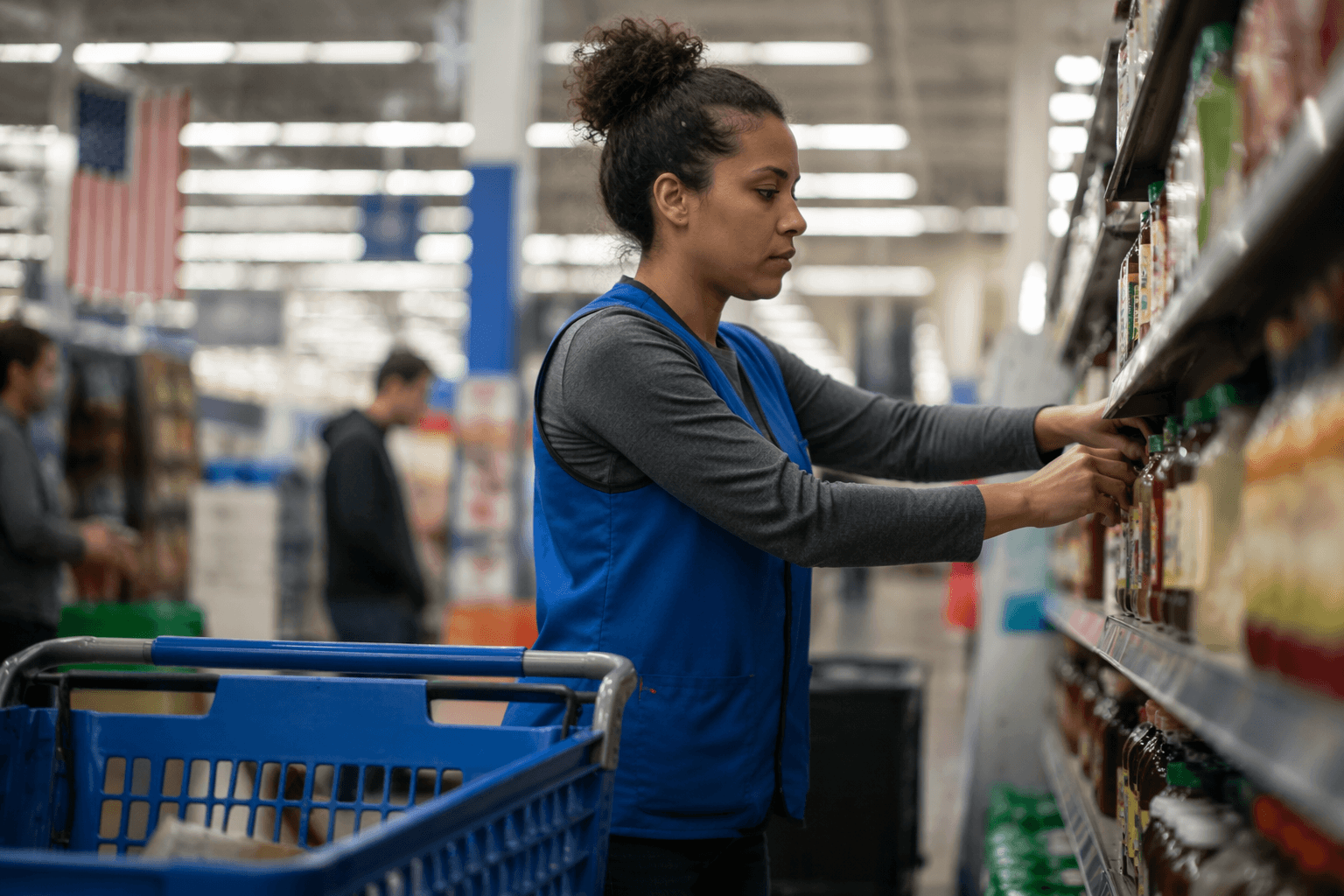
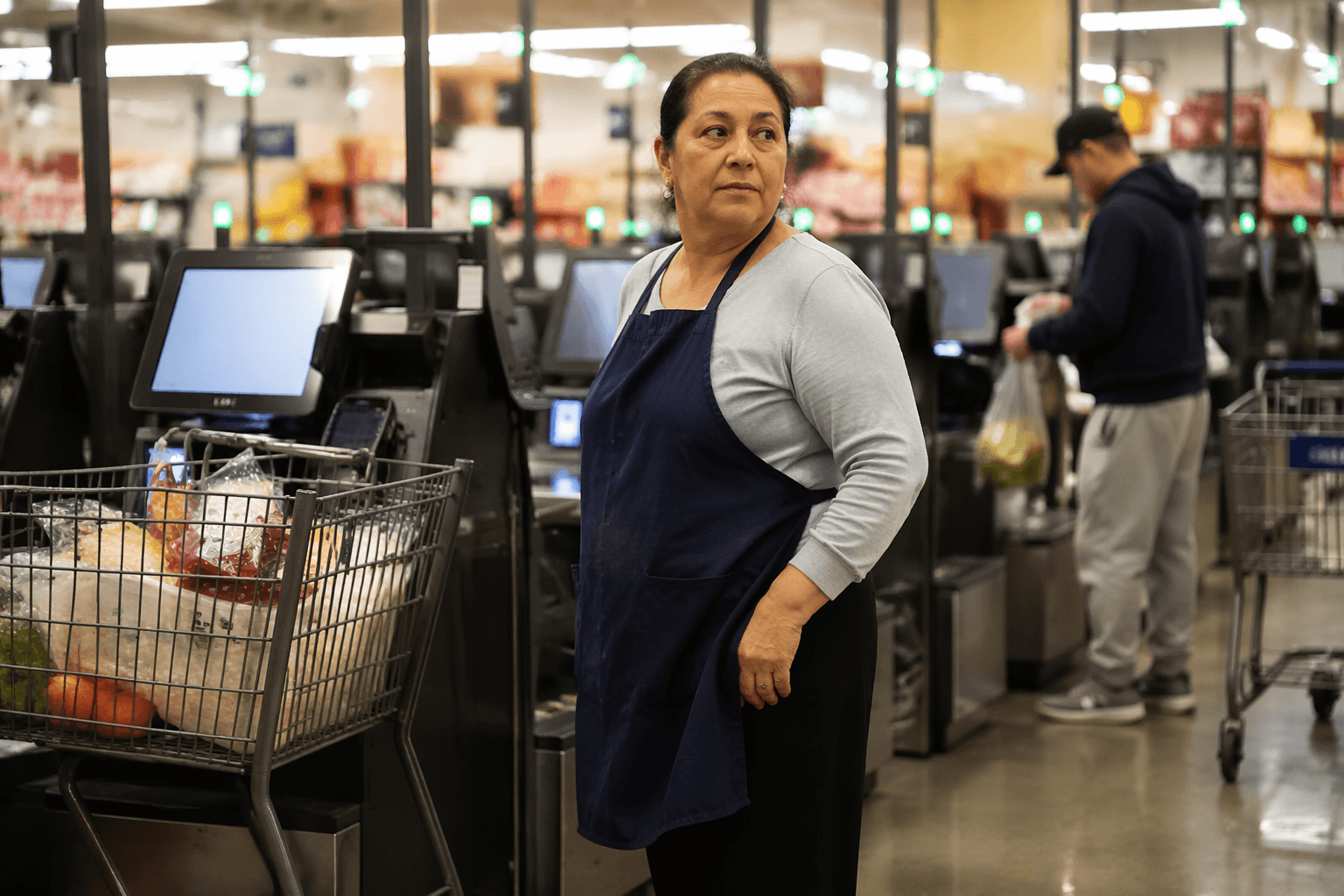
Walmart is cutting back self-checkout at select stores, and the burden lands on frontline workers who now face more monitoring, conflict, and pressure at the register.
Self-checkout is becoming a frontline labor issue
Walmart’s latest self-checkout changes are not just about shrink. They are changing the day-to-day job for the people on the sales floor who have to keep lanes moving, spot problems, and absorb customer frustration when a transaction gets interrupted.
The company has removed self-checkout lanes from at least two stores in 2024, including locations in Shrewsbury, Missouri, and Cleveland. Walmart said staffed lanes would replace the kiosks at select locations as part of broader investments and improvements across its stores. That matters because the front end is no longer being treated as a simple labor-saving shortcut. It is becoming a more controlled, more supervised part of store operations.
What Walmart is signaling by pulling kiosks back
For hourly associates, self-checkout used to mean fewer fixed cashier positions and more mixed-duty work. Now it also means more intervention. One person may be expected to monitor the area, answer questions, check receipts, calm irritated shoppers, and decide when a transaction needs a manager or asset protection involvement. That is a different skill profile from ringing up baskets at a traditional lane.
The shift also shows that Walmart is not making a blanket retreat from self-checkout. Instead, it is adjusting store by store. That is a key distinction for associates and managers, because it means the company still sees value in the technology, but is willing to narrow where and how it is used when the operating environment becomes too messy.
Why shrink is forcing the change
Retail shrink is bigger than theft alone. It includes theft, employee error, and fraud, which is why companies are looking at both technology and staffing when they try to get it under control. In practice, that means self-checkout is being managed less like a convenience feature and more like a risk point that has to be watched.
Neil Saunders of GlobalData said retailers are pulling back from self-checkout because rising theft has made them more cautious. That caution is showing up in more camera coverage, tighter receipt checks, more visible hosts, and, in some places, fewer open self-checkout lanes. The basic tradeoff is straightforward: the faster the front end is supposed to run, the more pressure falls on the workers standing there to catch mistakes and stop losses without turning the store into a confrontation zone.
What this means for associates on the floor
The stress shows up in small but constant ways. When self-checkout is heavily monitored, the associate in charge of the area is often the person who has to tell a shopper to rescan an item, explain a receipt check, or redirect them to a staffed lane. Even when policies are designed to protect margins, customers often experience them as suspicion or delay, and that friction lands on the worker closest to the register.
That changes the emotional labor of the job. The front-end associate is not just helping people pay. The job can become part cashier, part loss-prevention support, part customer-service desk, and part de-escalation role. For workers already juggling understaffing, that means more interruptions and less predictable pacing during an already busy shift.
How managers should think about the new self-checkout model
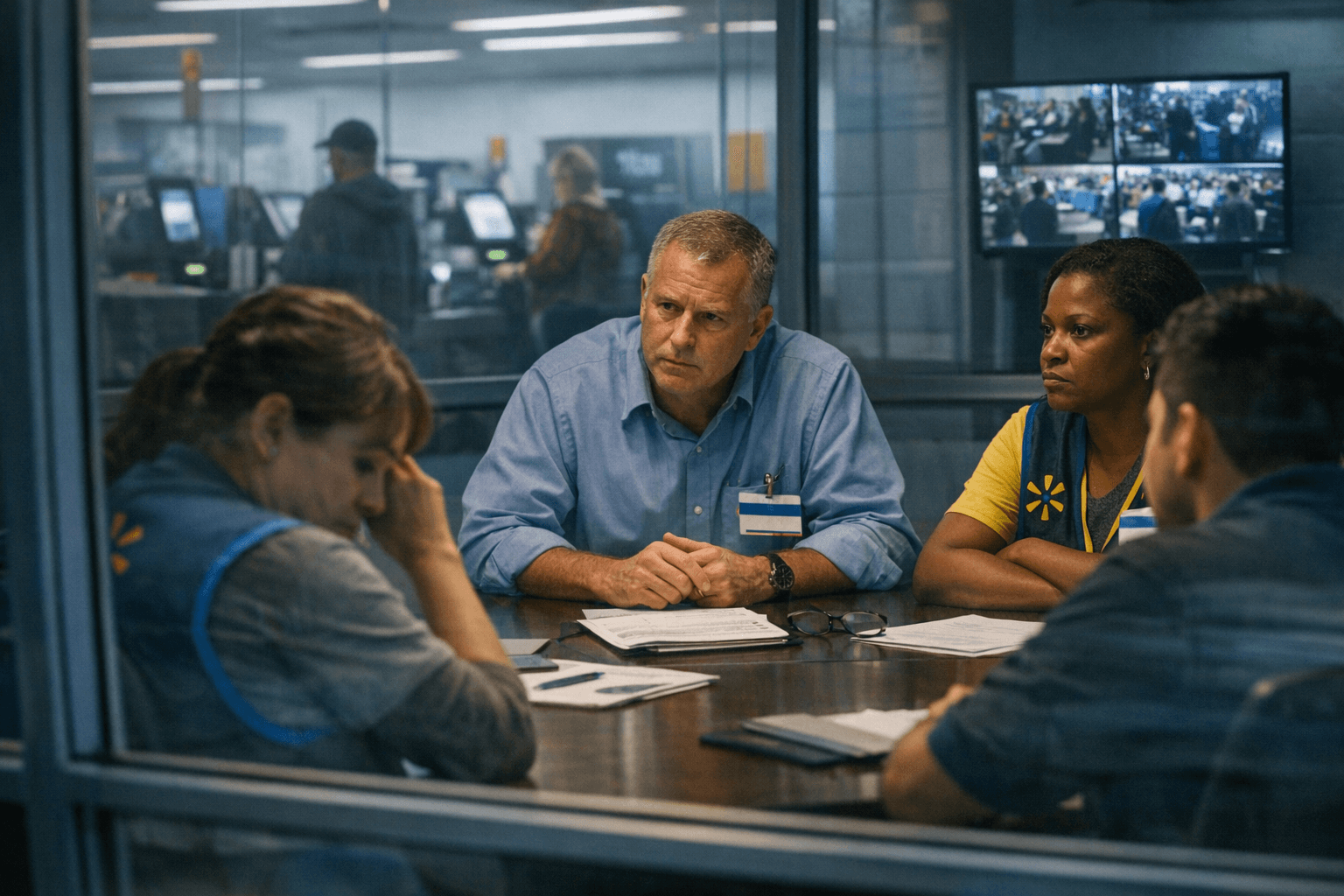
For department managers and assistant managers, the message is just as clear. Self-checkout is no longer only a staffing shortcut. It is an execution system that needs training, escalation rules, and real judgment about when to step in and when to let a transaction continue. If those rules are vague, front-end leaders end up making inconsistent calls, and that creates tension with both associates and shoppers.
The practical effects can spill into scheduling and break timing. If a store has too few people trained to oversee the front end, the same workers get pulled into repeated interventions, which can disrupt coverage and make it harder to maintain a steady pace at the lanes. Managers who are spending more time coaching the front end also have less time for the rest of the store, which is part of the hidden labor cost of a tighter self-checkout model.
Target’s limits show where the industry is headed
Walmart is not acting alone. Target took a similar turn in March 2024 when it launched Express Self-Checkout with a 10-item-or-fewer limit at most of its nearly 2,000 stores. Target said the point was to keep the process quick for smaller trips while leaving traditional staffed lanes open for larger carts.
Then in April 2024, Target began adding camera-based Truscan technology to self-checkout registers. The system is designed to detect items left unscanned and alert shoppers, adding another layer of oversight to a lane that was once marketed as the easiest, fastest option in the store. Reporting at the time also said the technology could help identify repeat offenders, which shows how much the model has shifted from convenience to control.
Dollar General’s cuts underscore the same pressure
CBS News reported that Dollar General reduced self-checkout at thousands of stores and removed it entirely at 300 locations most affected by shoplifting. That is an even starker example of how retailers are responding when self-checkout becomes too hard to police.
Taken together, these moves show that retailers are not abandoning self-checkout, but they are treating it as a managed risk. The full-open, lightly supervised version of the technology is giving way to item limits, more cameras, more staffed backup, and more manager discretion about where it fits.
What Walmart workers should take from this shift
For Walmart associates, the important takeaway is not just that some kiosks are disappearing. It is that front-end work is getting more operationally complex. The store still wants speed, low labor costs, and customer convenience. But when shrink rises, the work at self-checkout shifts onto the people closest to the problem.
That means more pressure to spot issues quickly, more moments where workers have to absorb customer anger, and more responsibility placed on already stretched front-line teams. In the current retail model, self-checkout is no longer a simple convenience. It is a stress test for staffing, training, and the daily authority of the people who keep the front end running.
This article was produced by Prism’s automated news system from verified source data, official records, and press releases, then run through automated quality and moderation checks before publishing. The system is built and supervised by the people who set the standards it runs under. Read our full AI policy.
Did this article answer your question?