Chicago fair workweek update raises scheduling duties for Walmart stores
Chicago's June 1 fair workweek update gives Walmart associates more notice rights and puts last-minute schedule changes under a tighter city rule.
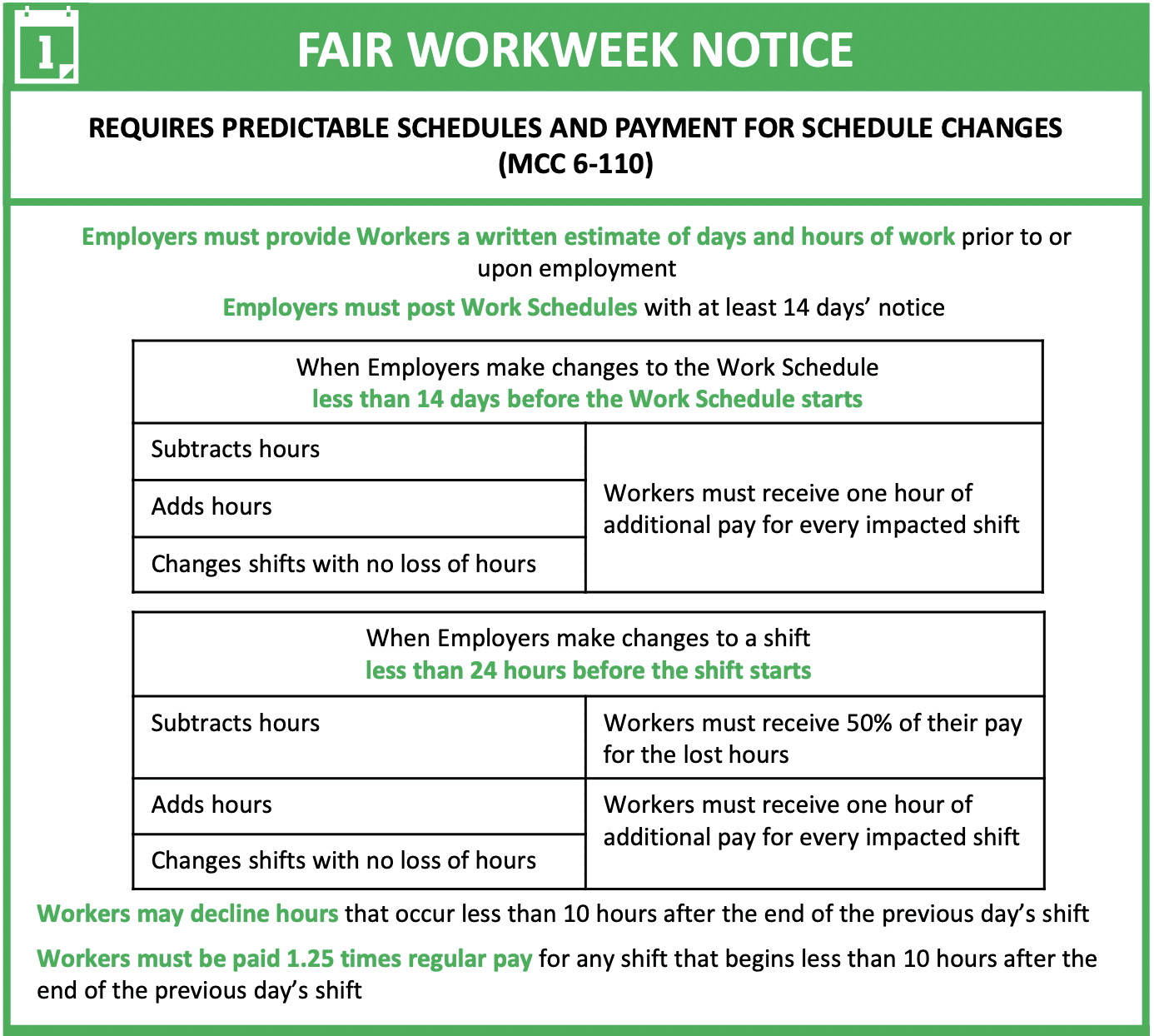
Chicago's updated fair workweek rules put Walmart stores on notice: in the city, schedule changes are no longer just a store-level staffing decision. The revised ordinance took effect June 1 and makes the legal rules around advance notice, unscheduled hours and documentation more important for hourly associates, department managers and assistant managers trying to keep a week on track.
Chicago first passed its Fair Workweek Ordinance on July 24, 2019, and it became effective July 1, 2020. The city says the law covers seven industries, including retail and warehouse services, and generally applies when a covered employee earns at or below $33.85 an hour, or $64,945.55 a year, and the employer has at least 100 employees globally. The ordinance is meant to protect workers from scheduling practices that interfere with family, health, education and other obligations, which is exactly the pressure point for retail associates balancing school runs, second jobs and transit time.

For Walmart workers in Chicago, the practical issue is how the company’s own scheduling tools fit with the city’s rules. Walmart says its U.S. store associates know their schedules two weeks in advance and can use the MyWalmart app to view, edit and trade shifts. That lines up with Chicago’s push for more predictable scheduling, but it does not replace the city standard. Chicago’s Office of Labor Standards says covered employees can decline unscheduled hours offered within 14 days of the beginning of the work schedule in which those hours are proposed. If a manager adds hours, shifts a start time or asks someone to cover a gap inside that window, the safest move is to save the original schedule, note the change and ask whether the adjustment is being handled under Chicago’s fair workweek rules.
The city spent May 2026 explaining the update, including English and Spanish webinars, after publishing the changes on May 18. At the same time, Chicago officials under Mayor Brandon Johnson were also advancing annual minimum wage and paid leave changes, underscoring that labor policy in the city is moving in several directions at once. For Walmart stores, the bottom line is simple: in Chicago, schedule visibility is now a compliance issue as much as an operations issue, and the workers most likely to feel it are the ones who depend on stable hours to make the rest of the week work.
This article was produced by Prism’s automated news system from verified source data, official records, and press releases, then run through automated quality and moderation checks before publishing. The system is built and supervised by the people who set the standards it runs under. Read our full AI policy.
Did this article answer your question?