China orders Walmart’s Sam’s Club to fix food safety risks
China’s market regulator ordered Sam’s Club to fix food-safety risks after talks with Walmart China, widening scrutiny from store shelves to the full supply chain.
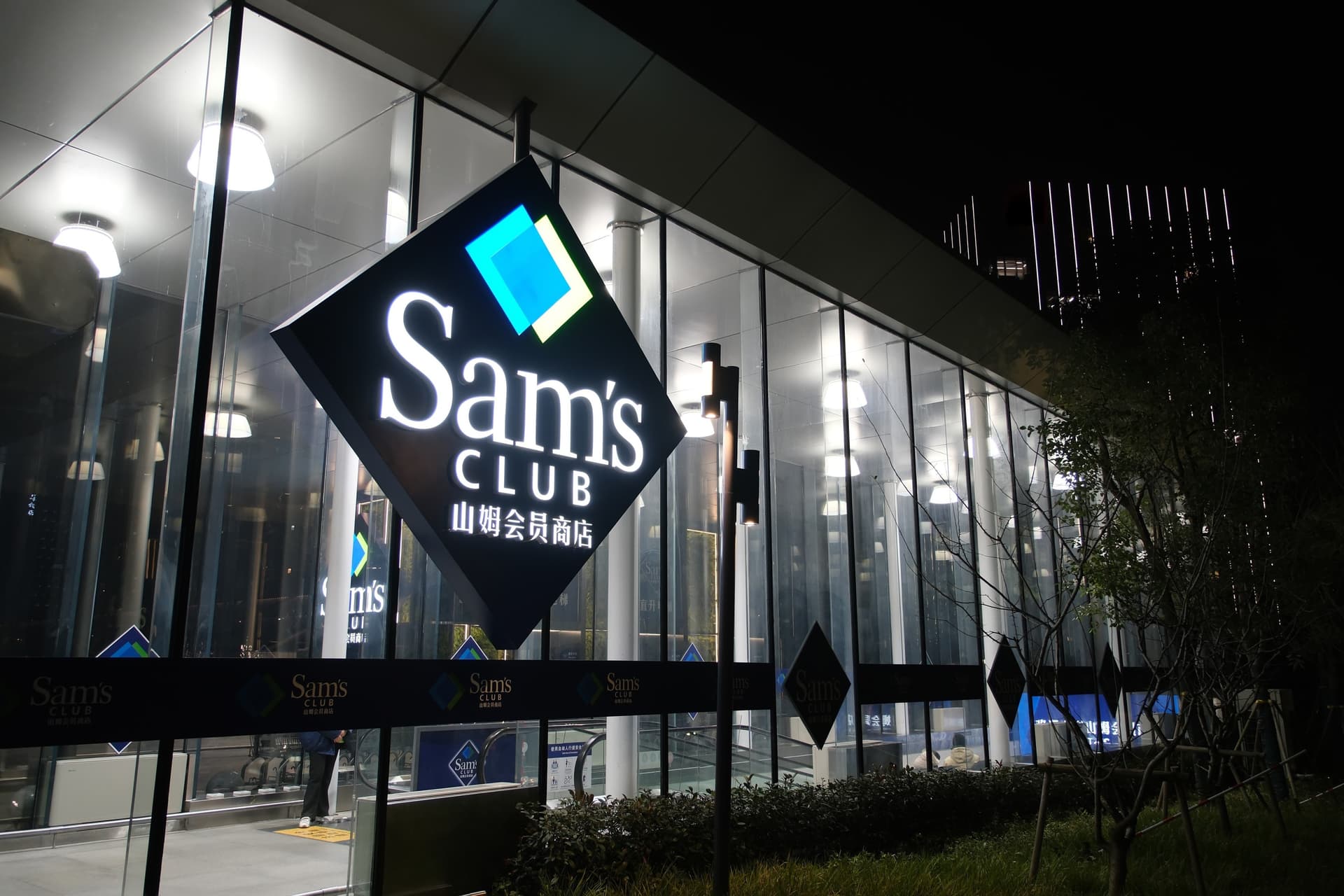
China’s market regulator ordered Sam’s Club to take strict measures to eliminate food-safety risks throughout its supply chain, a warning that reached far beyond one store or one product line. The move followed a meeting with a Walmart executive about food-safety issues that had recently been detected, putting pressure on the company’s China operations and the workers who keep goods moving from suppliers to shelves.
State media said the State Administration for Market Regulation summoned officials of Walmart (China) Investment Co., Ltd. after identifying food-safety problems at Sam’s Club brick-and-mortar stores and online shops. The concerns were described as repeated violations across physical stores and online retail channels over an extended period. Sam’s Club said it would regularly report rectification progress to authorities and set up a special task force led by management, while also saying it would “willingly accept public supervision.”
The warning lands in a business that is much larger than a single membership-club footprint. Walmart says it has been active in China since 1996, when it opened its first hypermarket and Sam’s Club in Shenzhen. As of April 30, 2026, Walmart China said it operated 341 total retail units, including 278 Walmart Supercenters and 63 Sam’s Club stores, in more than 100 cities nationwide. That scale makes food-safety lapses a brand problem, an operating problem and a supply-chain problem at the same time.
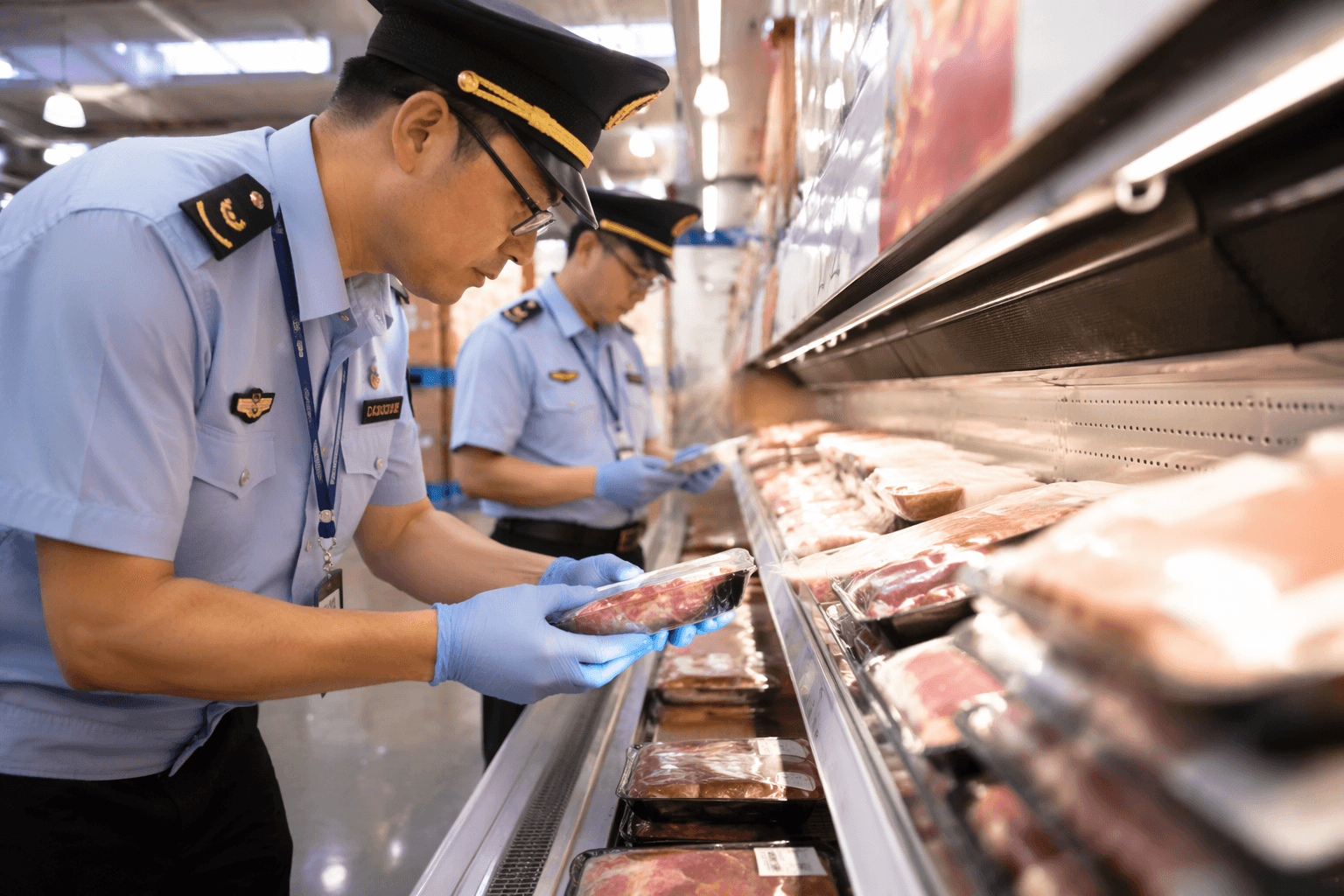
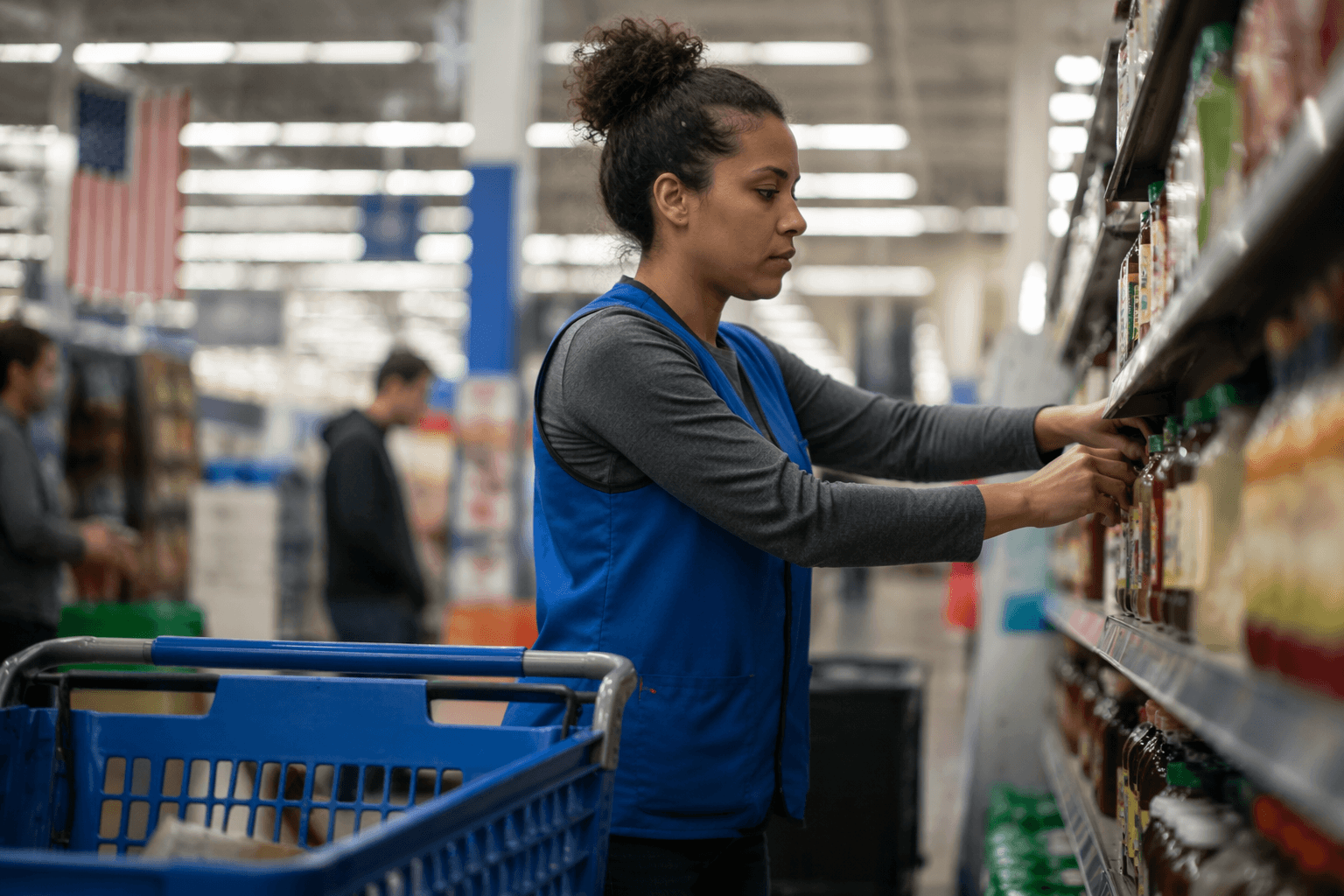
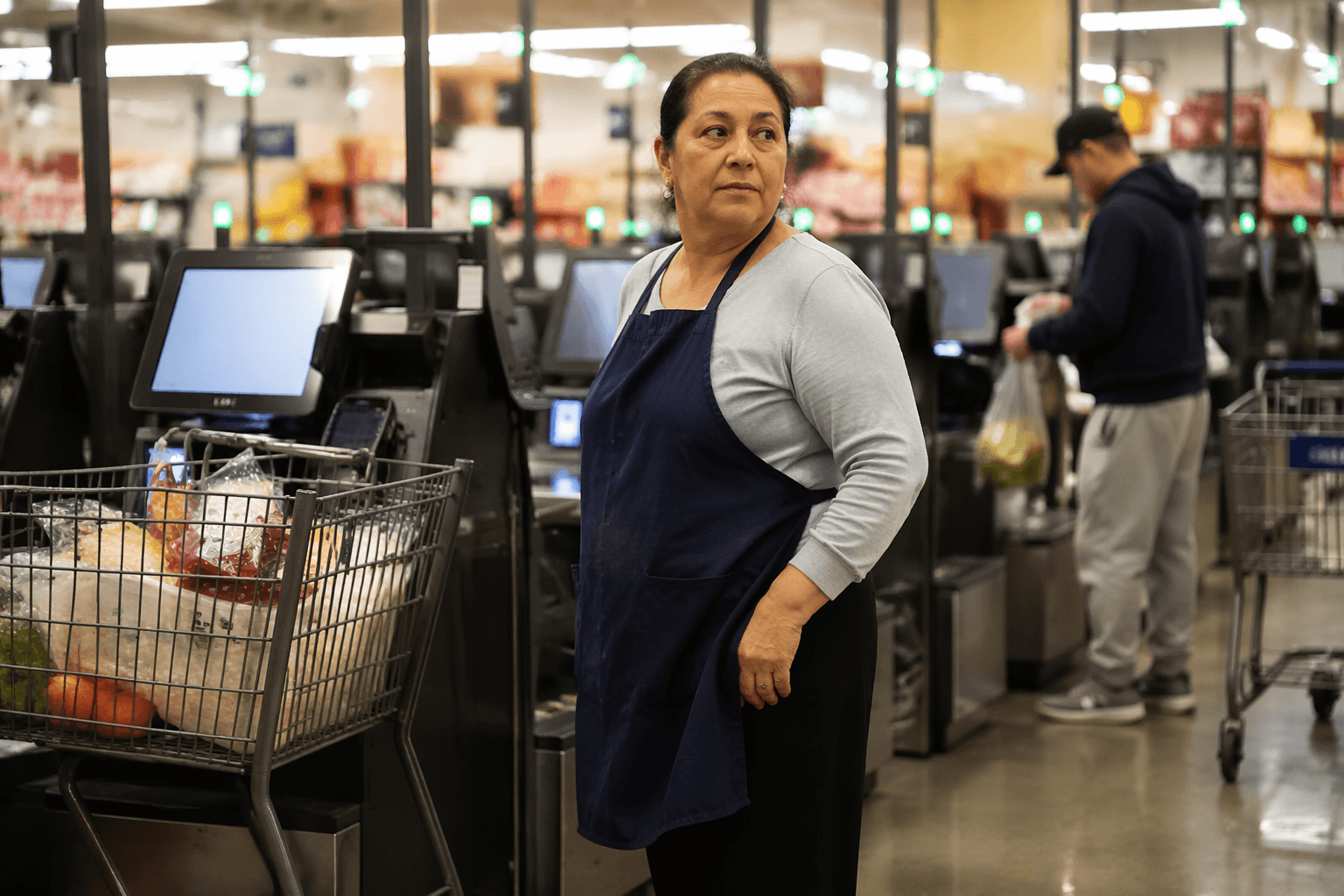
For Walmart workers, especially in supply chain, merchandising and food operations, the message is straightforward: compliance is not limited to a sign-off in a back office. Walmart says its supplier standards apply globally to suppliers of Walmart-controlled subsidiaries and include food-safety compliance. The company also says it is committed to providing safe and compliant products and can block and remove recalled items swiftly. When regulators raise concerns in China, the pressure can ripple through receiving, warehouse checks, cold-chain handling, product rotation and store-level escalation routines.
That matters even more in Sam’s Club’s membership model, where shoppers pay for trust as much as for bulk pricing. A warning tied to food safety can move quickly from regulatory discipline to reputational damage, then to tighter audits and more scrutiny on execution across the network. For a company still expanding in China, the cost of a break in the chain is measured not just in compliance terms, but in the standards every associate is expected to uphold.
This article was produced by Prism’s automated news system from verified source data, official records, and press releases, then run through automated quality and moderation checks before publishing. The system is built and supervised by the people who set the standards it runs under. Read our full AI policy.
Did this article answer your question?