DOL Drops Defense of Biden Overtime Rule, 2019 Threshold Stays in Place
DOL abandoned its court defense of the Biden overtime rule, keeping the $35,568 salary threshold in place and leaving Walmart supervisors to watch federal and state wage rules closely.
The Labor Department has stopped defending the Biden overtime rule in court, leaving the 2019 salary threshold of $35,568 a year in place for now. For Walmart workers, that means the federal line separating exempt salaried roles from overtime-eligible work did not move higher, and the next few pay cycles will look a lot more like the old rules than the expansion the Biden administration tried to put in place.
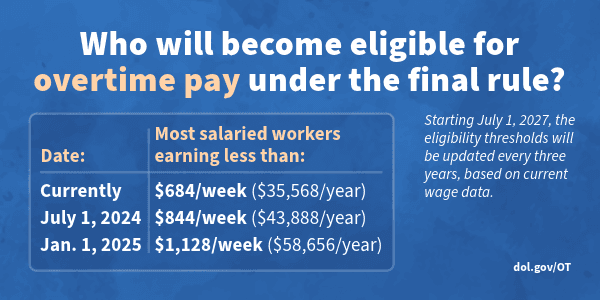
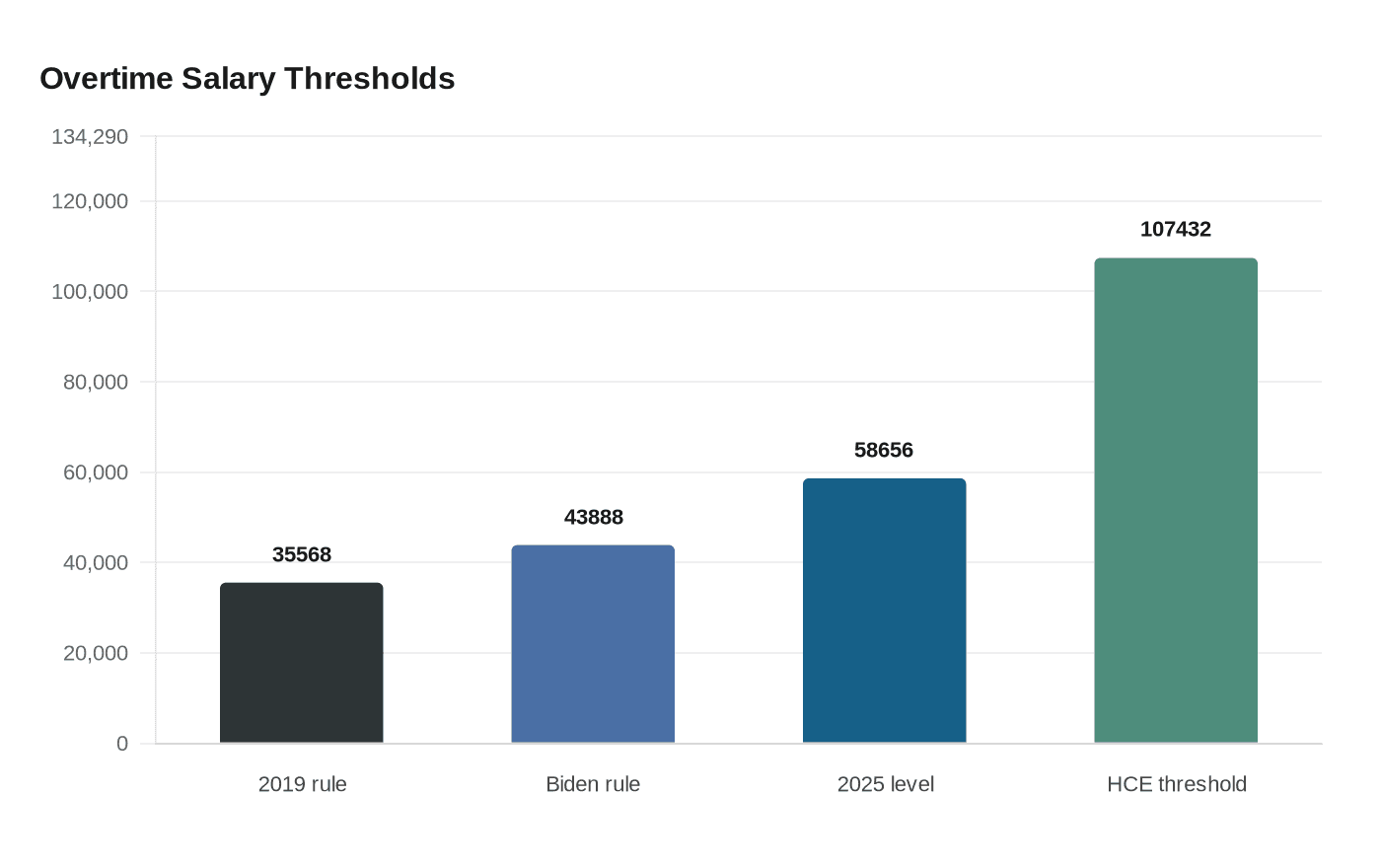
The department filed a joint stipulation on May 5 in Flint Avenue, LLC v. U.S. Department of Labor in the Fifth Circuit, ending its appeal after a Texas federal court had already vacated the rule. The move effectively dropped the government’s legal defense of the 2024 overtime expansion, which had briefly taken effect on July 1, 2024 before being struck down on November 15, 2024. The current federal position is the 2019 framework: a standard salary level of $684 a week, or $35,568 a year, and a highly compensated employee threshold of $107,432 a year.
That matters because overtime under the Fair Labor Standards Act is generally time and a half for hours over 40 in a workweek unless an exemption applies. In a retail operation like Walmart, where holiday resets, inventory counts, remodels and bare-bones staffing can push schedules hard, the salary line affects who is treated as exempt, who is not, and how much labor stores can absorb before payroll starts climbing. The now-abandoned Biden rule would have lifted the standard salary threshold to $43,888 and then to $58,656 on January 1, 2025, with automatic updates every three years beginning July 1, 2027.
For Walmart, the biggest impact is likely to be felt by assistant managers, department leads and other salaried supervisors who sit closer to the exemption cutoff than store managers do. Walmart said about 75% of its salaried managers started as hourly associates, and in January 2024 the company said average U.S. store-manager pay would rise from $117,000 to $128,000, with bonuses as high as 200% of base salary and starting base pay ranging from $90,000 to $170,000. That puts most store managers well above the current federal threshold, but it does not eliminate the risk for lower-paid salaried roles that can be stretched into long hours without overtime.
Associates and managers should check whether their role is classified as exempt, whether their actual duties match that classification and whether schedules are quietly creeping past 40 hours a week. Hourly workers should keep their time records clean and push back when hours are not captured correctly. Salaried supervisors should ask whether their pay still clears the federal test and whether state wage-and-hour rules create a higher bar. For now, the federal government is back to the 2019 rule, and employers are planning around that baseline rather than a coming nationwide expansion.
This article was produced by Prism’s automated news system from verified source data, official records, and press releases, then run through automated quality and moderation checks before publishing. The system is built and supervised by the people who set the standards it runs under. Read our full AI policy.
Did this article answer your question?