Retail job openings surge to highest level since 2023, Walmart in focus
Retail hiring kept climbing even as shoppers grew cautious, and Walmart’s scale means that tension shows up as both openings and tighter hour control.

Retail hiring is still running hot even as consumer warning signs pile up, and Walmart sits right in the middle of that contradiction. Retail trades added nearly 22,000 jobs in April, retail openings in March hit their highest monthly total since 2023, and nearly 15.5 million people now hold retail jobs, the most since July 2024.
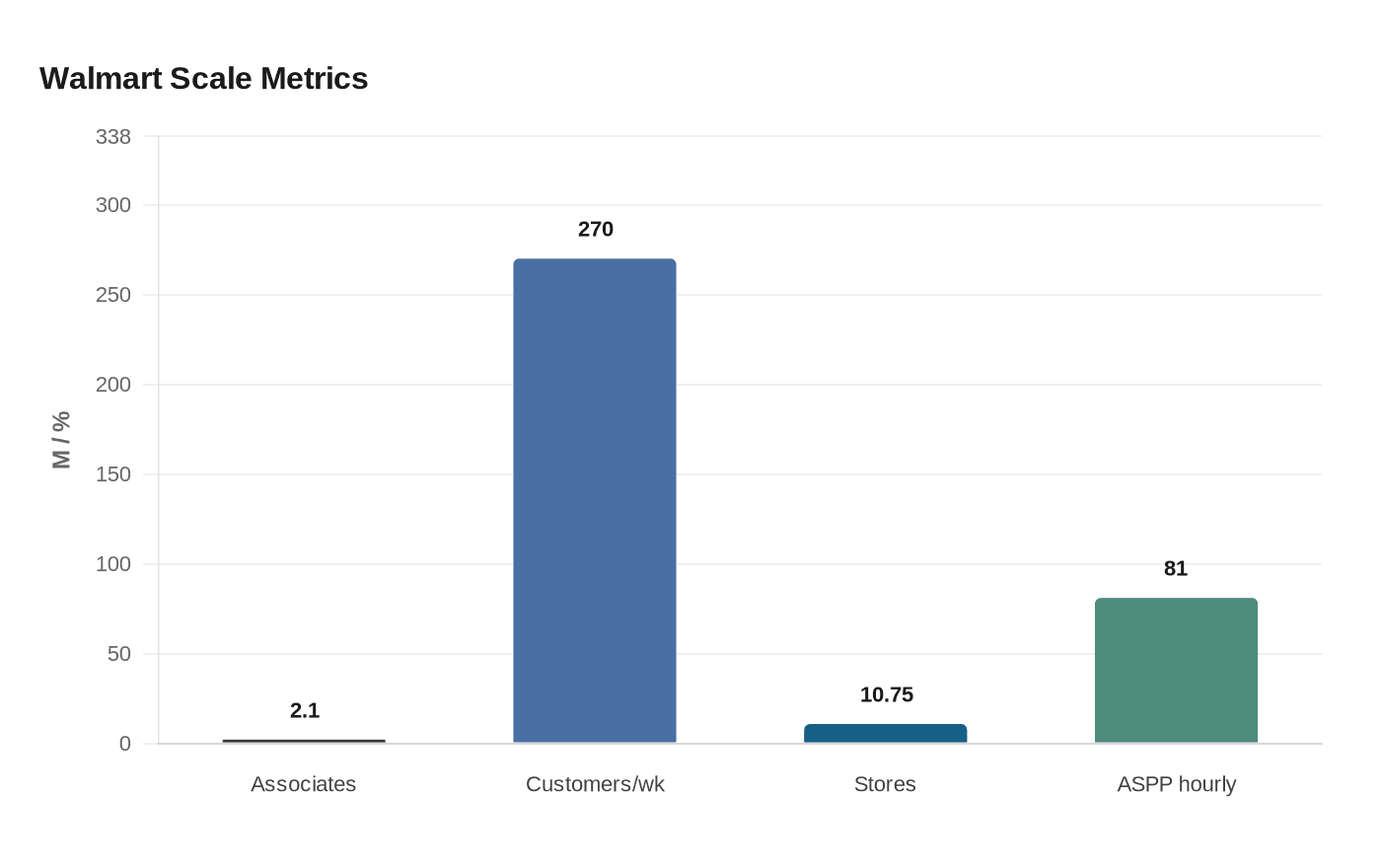
For Walmart associates, that matters because the company is one of the sector’s biggest labor engines. Walmart said it employed about 2.1 million associates worldwide in its fiscal 2025 annual report, served roughly 270 million customers and members each week, and operated more than 10,750 stores and numerous eCommerce sites across 19 countries. When a retailer that large is still hiring, the effect is felt on the floor fast: more backfilling for empty shifts, more openings for transfers, and more pressure to keep stores covered even when customer demand is uneven.
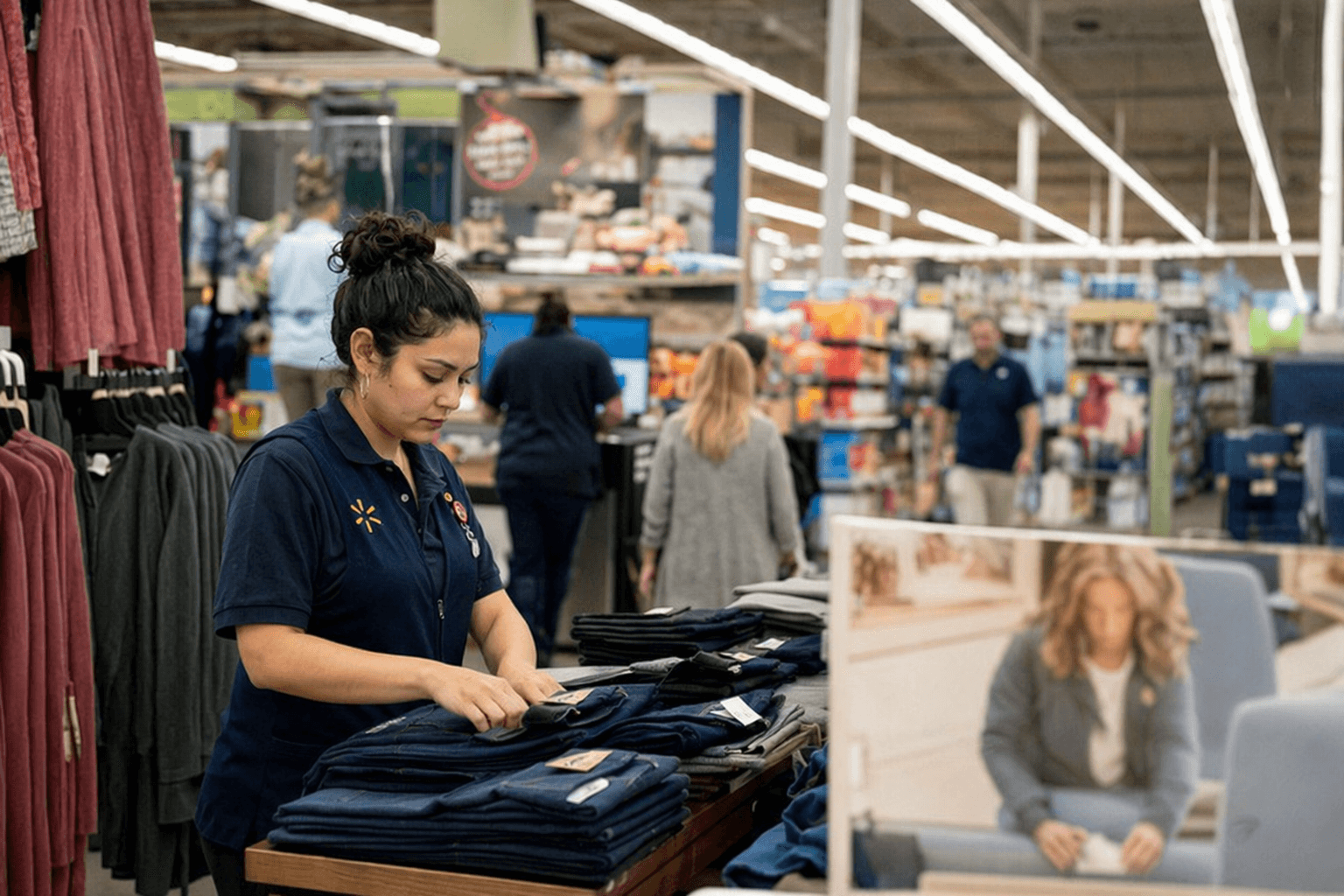
That is the practical split inside stores right now. Hiring can make it easier for a manager to plug holes in a deli, garden center, or overnight stocking team. It can also come with tighter hour control, more careful overtime approvals, and staffing that swings with traffic instead of staying evenly spread across the week. A store may post openings and still ask existing associates to do more with fewer scheduled hours when sales soften.
Walmart’s own results help explain why. In its fiscal first-quarter update, the company said Walmart U.S. comparable sales rose 4.5%, global eCommerce sales grew 22%, and revenue reached $165.6 billion. That mix shows why labor needs can stay high even when households are cautious about inflation, tariffs, and energy costs. In-store traffic and online orders both create work, but not always in the same departments or at the same times.
The company has also been trying to keep workers through pay and benefits. Reporting last year said Walmart changed annual raises for U.S. hourly store workers so increases reflect both tenure and performance, with the average hourly wage for frontline associates close to $18 and the program covering more than half a million hourly store workers. Walmart’s 2025 annual report also said more than half of U.S. store managers earned bonuses of $100,000 or more, more than 1.1 million people had retirement savings in the company’s 401(k) plan, and 81% of Associate Stock Purchase Plan participants were hourly associates.
Taken together, the numbers point to a labor market where Walmart can still hire, still backfill, and still reward top performers, while keeping a close grip on labor costs. For hourly workers, that means the opportunities are there, but so is the message that staffing will track demand hour by hour, not just headline by headline.
This article was produced by Prism’s automated news system from verified source data, official records, and press releases, then run through automated quality and moderation checks before publishing. The system is built and supervised by the people who set the standards it runs under. Read our full AI policy.
Did this article answer your question?