House passes faster labor contract bill with Walmart implications
The House-passed Faster Labor Contracts Act would speed first contracts after union wins, a change Walmart workers could feel in future bargaining.

A House-passed labor bill could change the slowest part of union organizing: the wait after workers win. The Faster Labor Contracts Act moved through the U.S. House of Representatives on June 9 and would force bargaining to start within 10 days of certification, then push unresolved disputes into mediation after 90 days and binding arbitration if mediation failed.
That matters because the current system can drag on for more than a year after a representation vote. Congress.gov says the bill’s findings cite a 2021 Bloomberg Law study that found an average of 465 days between a union election and a first contract, and the findings say those delays can take a year or longer and often benefit employers opposed to union representation. The Economic Policy Institute has made a similar point, saying first contracts often take a year or more after recognition and that one study found 44% of unions did not reach a contract within one year.
For Walmart associates and managers, the bill would not change paychecks, schedules or points tomorrow. It would matter if more retail, warehouse or logistics workers win union elections and then face the long gap between certification and a real contract. In that setting, the bill would try to narrow the window for stalling tactics and set a clock on bargaining, which could shape negotiations over wages, staffing, safety and scheduling in operations tied to Walmart’s supply chain and store network.
The strongest real-world example is already in Ontario. Unifor Local 252 members at a Walmart distribution center in Mississauga ratified the first union contract ever negotiated with Walmart in North America on May 8 by a 93% vote. The two-year deal included wage gains of up to $5 an hour in the first year and another 3% in year two, a me-too wage clause, a lump-sum payment of $4,250 to $8,750 tied to an unfair labor practice complaint, and a cap on short-term agency workers.
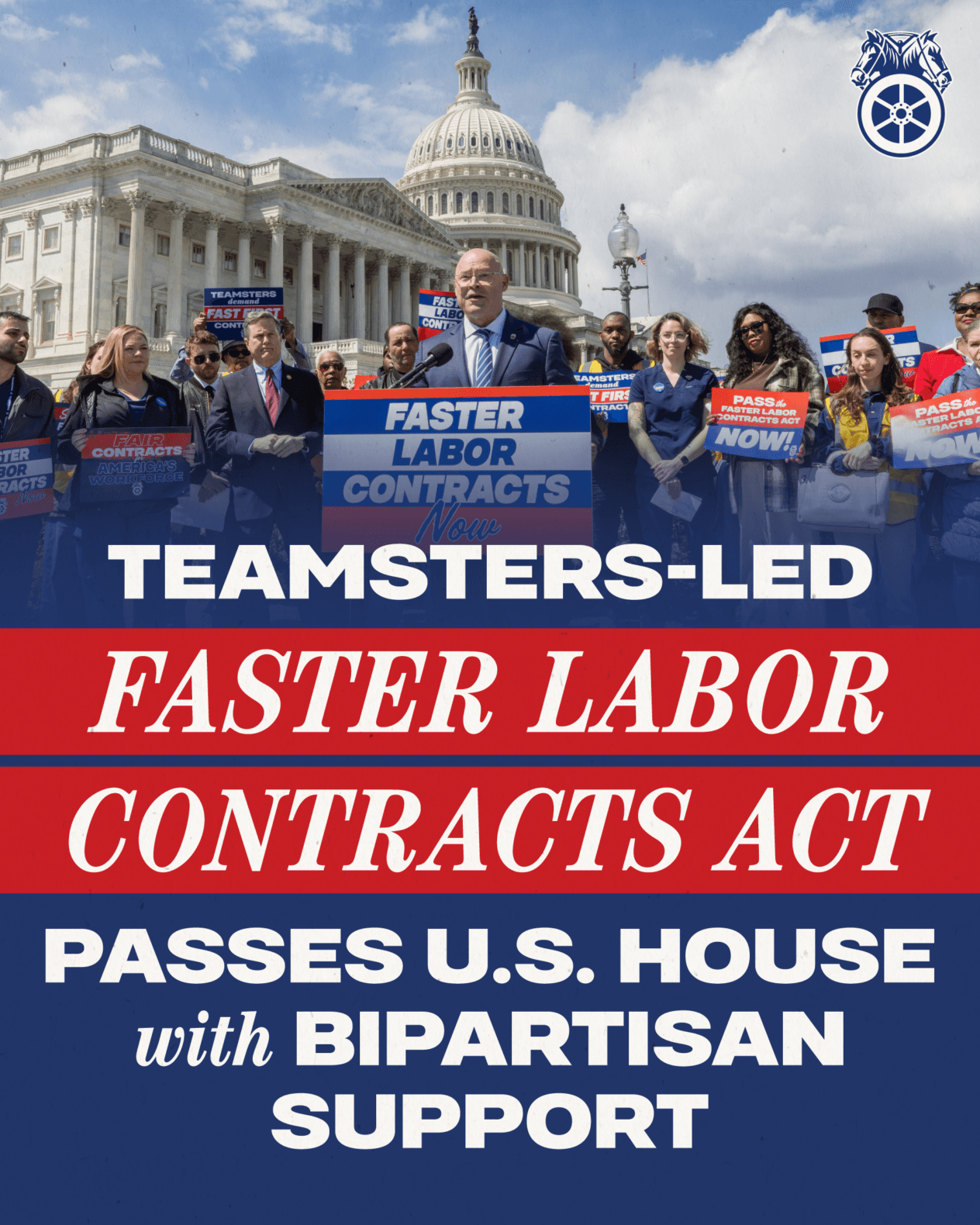
The bill also has political traction beyond the House vote. Sen. Josh Hawley said on June 9 that the measure would require bargaining within 10 days of union certification, send disputes to mediation after 90 days and then to binding arbitration if talks broke down. He also said the Senate backers included Cory Booker, Bernie Moreno, Roger Marshall, Jeff Merkley and Gary Peters. For Walmart, the significance is not an immediate policy shift in stores or clubs, but a clearer sign that Congress is willing to reshape the post-election bargaining fight that so often decides whether a union victory changes daily work or just drags on.
This article was produced by Prism’s automated news system from verified source data, official records, and press releases, then run through automated quality and moderation checks before publishing. The system is built and supervised by the people who set the standards it runs under. Read our full AI policy.
Did this article answer your question?