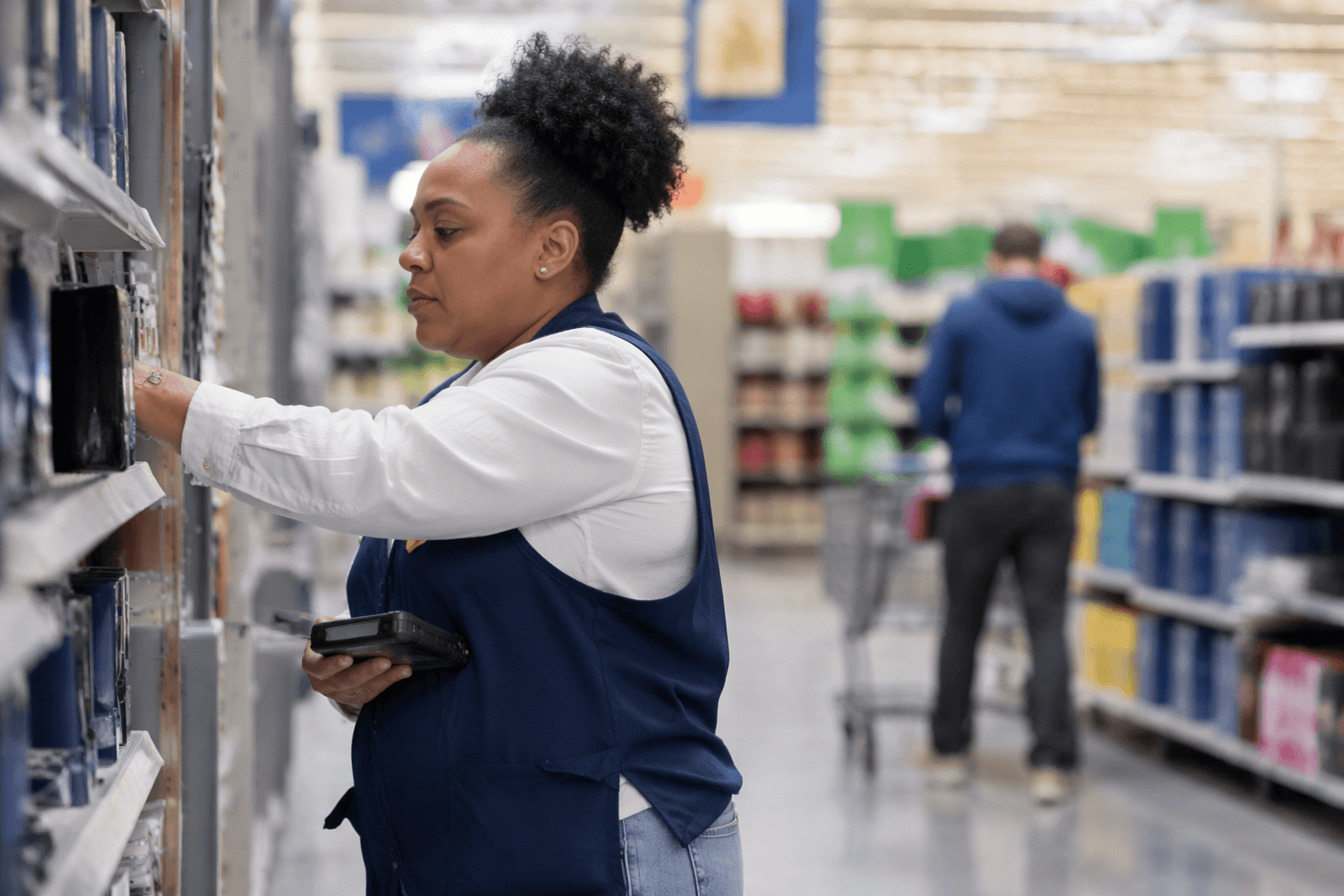
How Walmart’s AI-driven supply chain shapes store labor and shelves
Walmart’s AI supply chain decides more than freight timing. It shapes shelf fills, backroom pressure, and how much store labor gets spent fixing misses.
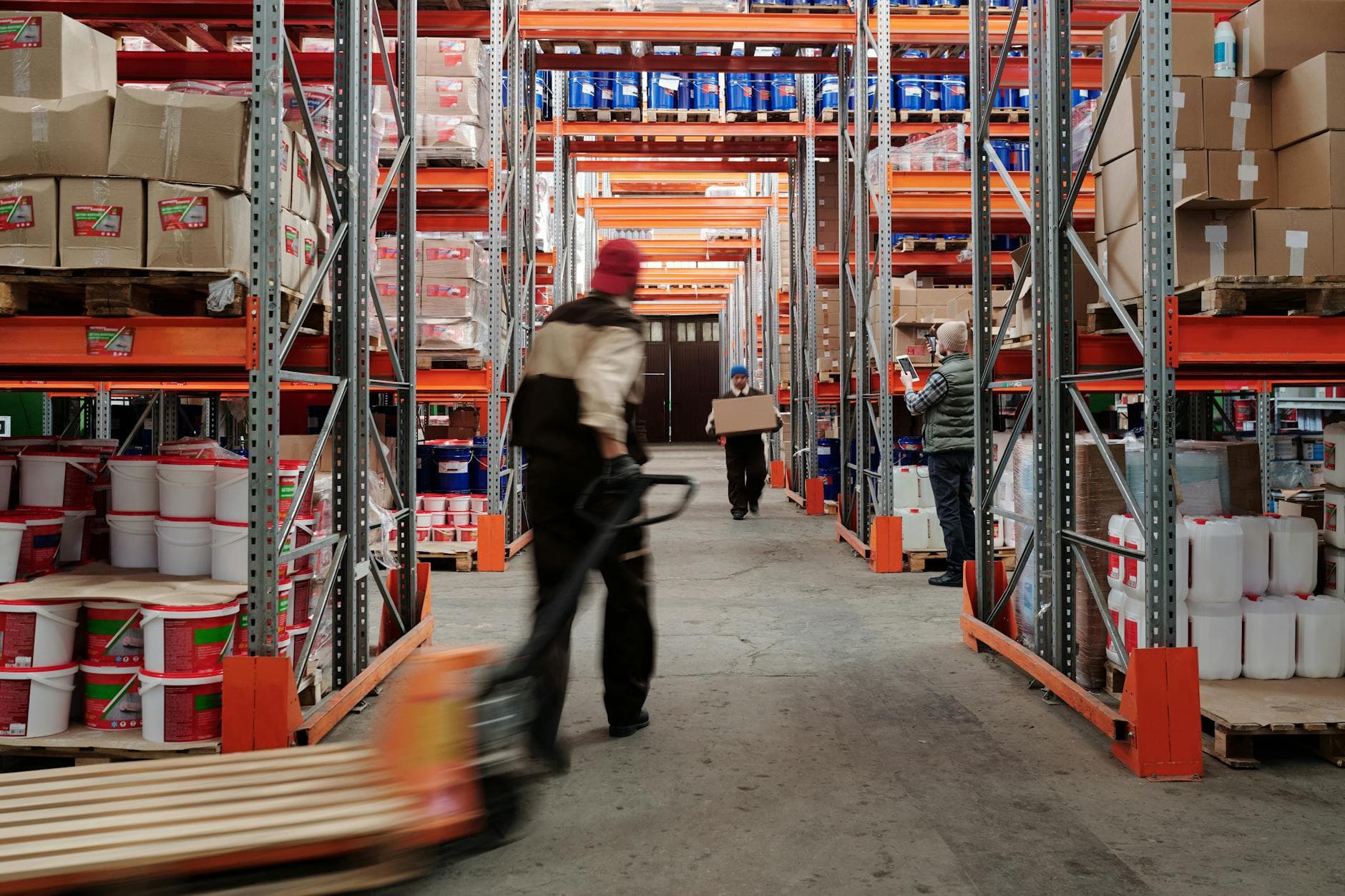
What sits on the shelf is only the last mile
The empty spot on an aisle is rarely just a store problem. At Walmart, it can be the result of a network that starts in a distribution facility, moves through route planning and inventory reroutes, and ends with a store team deciding what to fill first when the truck finally arrives. That is why supply chain is not background noise in a Walmart store. It is the operating system.
Walmart says its supply chain and transportation network includes drivers, technicians, engineers, managers and operations staff working in clean, safe, high-tech facilities. The company also says the network is now powered by predictive AI, real-time automation and tools designed to reroute inventory, reduce waste and simplify work for associates. For store teams, that translates into a simple daily question: did the network send the right product at the right time, or did it leave the store to absorb the fallout?
The scale behind the freight
Walmart’s 2025 Annual Report says the company uses 164 distribution facilities strategically located throughout the U.S., and that most Walmart U.S. store merchandise purchases were shipped through those facilities. That matters on the sales floor because it explains why shelf conditions can change quickly even when sales look normal. If distribution timing shifts, the store feels it in grocery, dairy, consumables and other high-velocity departments almost immediately.
Walmart’s supply chain is also part of a much longer company story. The first Walmart opened in 1962 in Rogers, Arkansas, and the company opened its first distribution center in 1970. That early emphasis on logistics helped define the business, and it still does. What started as a way to move goods faster has become a tech-heavy system built to keep products flowing, because in a business this large, a delay in one part of the chain can show up as a bare shelf in another.
Why AI matters to store labor
The company says its global supply chain technologies are already live in Costa Rica, Mexico and Canada, where they are predicting demand, rerouting inventory, reducing waste and simplifying work for associates. Walmart also says some processes that once took months can now be completed in weeks. That is an operational change, but it is also a labor change, because speed upstream affects the tempo of work in the store.
When the system works well, associates spend less time firefighting. Freight arrives more predictably, replenishment gets easier, and managers can focus on zoning, customer service and task prioritization instead of chasing missing pallets. When the system is strained, the same crew can feel it in late trucks, skipped items, fuller backrooms and more customer questions about why something was there yesterday and gone today.
For hourly associates, that can mean the difference between a clean fill and a scramble. For department managers and assistant managers, it means inventory is not just a numbers issue. It is a labor-planning issue, a customer-service issue and a morale issue.
What store teams can control, and what they cannot
Associates cannot reroute a supplier shipment or speed up a distribution center decision. What they can do is understand where problems are most likely to land. In a store built around high-volume replenishment, the first pressure points are usually the departments where product turns fast and customer expectations are unforgiving: grocery, dairy and consumables.
- Freight timing, especially when trucks slip past the usual window
- Backroom congestion, which can slow down the next wave of freight
- Shelf priorities, which items need to be filled first because they drive traffic or spoil quickly
That is why experienced managers watch for three things:
This is where the AI-driven network and the store floor meet. If the system reroutes inventory before it ever reaches the building, the store may need to explain substitutions, not just stockouts. If a load comes in late, the team may need to decide whether to finish an aisle, push frozen, or protect the most visible features before the lunch rush. The technology does not remove judgment from the store. It changes the kind of judgment associates need to use.
How to explain a missing item to a customer
Store teams do not need to make excuses for the network, but they do need a clear, consistent way to describe it. A practical explanation is often enough: the item may be delayed in transit, redirected to another store or held back by a supply issue upstream. In a retailer with 164 distribution facilities and a large shared network, a missing item is often a logistics decision showing up as a customer-service conversation.
That is especially important when a customer sees a product one day and cannot find it the next. The answer is not always shrink, and it is not always a local ordering miss. Sometimes the shelf changed because the supply chain changed first. When associates understand that chain, they can give better answers and spend less time absorbing blame for a problem they did not create.
The people behind the system
Walmart’s supply chain workforce is not just trucks and boxes. The company says the operation includes drivers, technicians, engineers, managers and operations staff, and that those associates work in high-tech facilities. Walmart also ties that work to broader career support, including Walmart Academy training, Live Better U education opportunities, 401(k) matching and stock purchase plans.
That matters because the same company asking store teams to move fast is also trying to keep a specialized logistics workforce in place. In practice, the better the supply-chain jobs are trained and supported, the more stable the store floor tends to be. A well-run distribution system does not just move product. It reduces the emergency work that bleeds into store labor.
The bigger bet is resilience
Walmart’s sustainability materials say the company is focused on enhancing the resilience of its operations and product value chains to improve surety of supply. That language may sound corporate, but the store-level meaning is plain: fewer surprises, fewer empty spots, and less disruption in daily work. Doug McMillon’s Walmart is treating logistics as a competitive advantage again, only now the advantage is built on AI, automation and faster decision-making instead of just warehouses and trucks.
For store associates, the lesson is straightforward. The shelf is the end result of a much larger machine, and that machine now moves faster, reacts sooner and reaches deeper into the workday. When it runs well, the store feels calmer. When it stumbles, everyone on the floor feels it first.
This article was produced by Prism’s automated news system from verified source data, official records, and press releases, then run through automated quality and moderation checks before publishing. The system is built and supervised by the people who set the standards it runs under. Read our full AI policy.
Know something we missed? Have a correction or additional information?
Submit a Tip