Walmart sees spending shift as higher-income shoppers drive gains
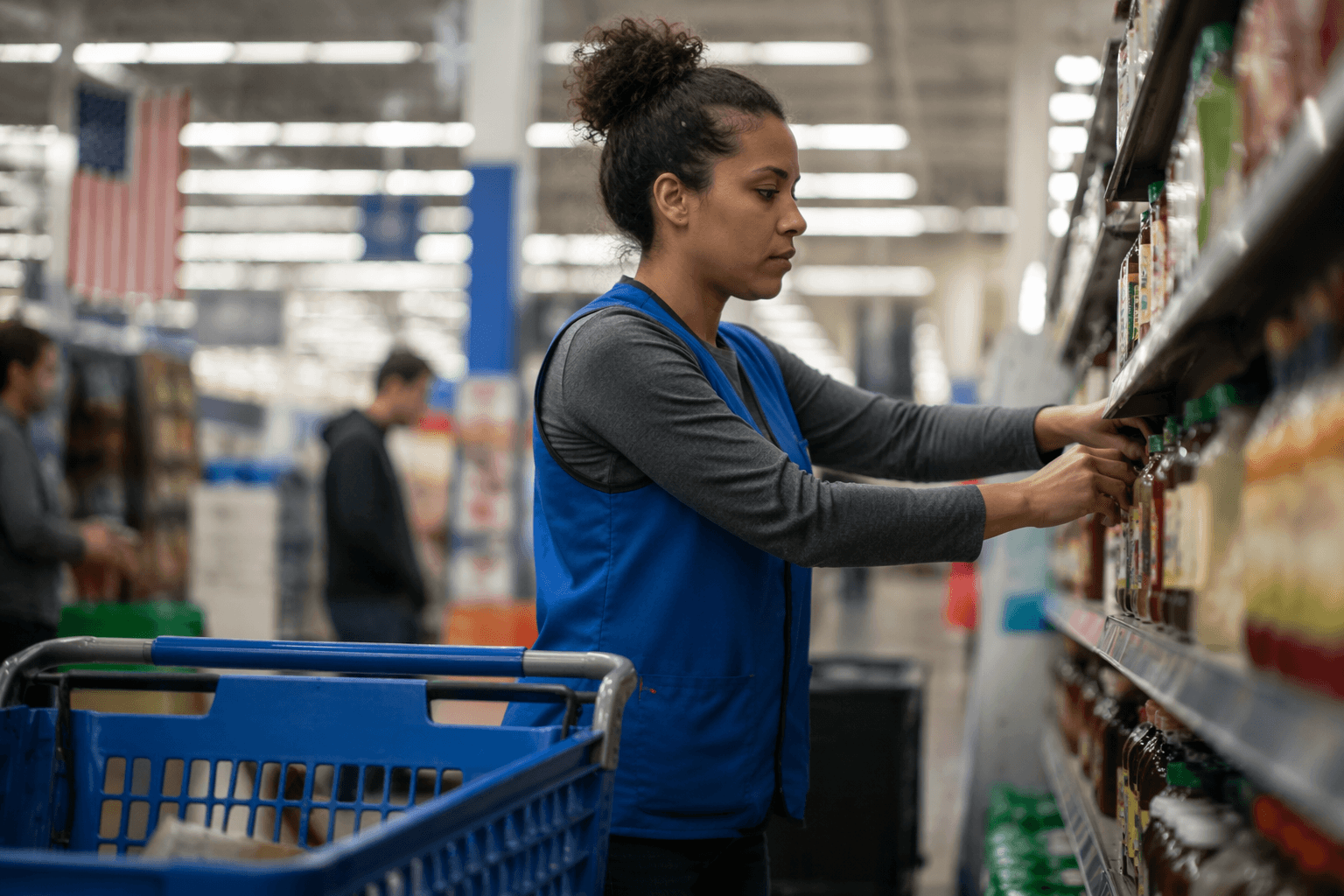
Walmart said most share gains came from households earning over $100,000, while lower-income shoppers stayed stretched and paycheck to paycheck.
The checkout mix at Walmart is tilting toward better-off households, a shift that can change what lands in the cart, how fast inventory moves and which aisles feel the most pressure on a busy shift.
On the company’s Feb. 19 earnings call, new Walmart U.S. chief John Furner said the majority of the retailer’s share gains came from households making more than $100,000, while families earning below $50,000 remained stretched and in some cases were “managing spending paycheck to paycheck.” That split matters on the floor. It points to a customer base that is still split between shoppers trading down on basics and shoppers with enough room to keep spending through inflation, a combination that can make demand harder to forecast store by store.
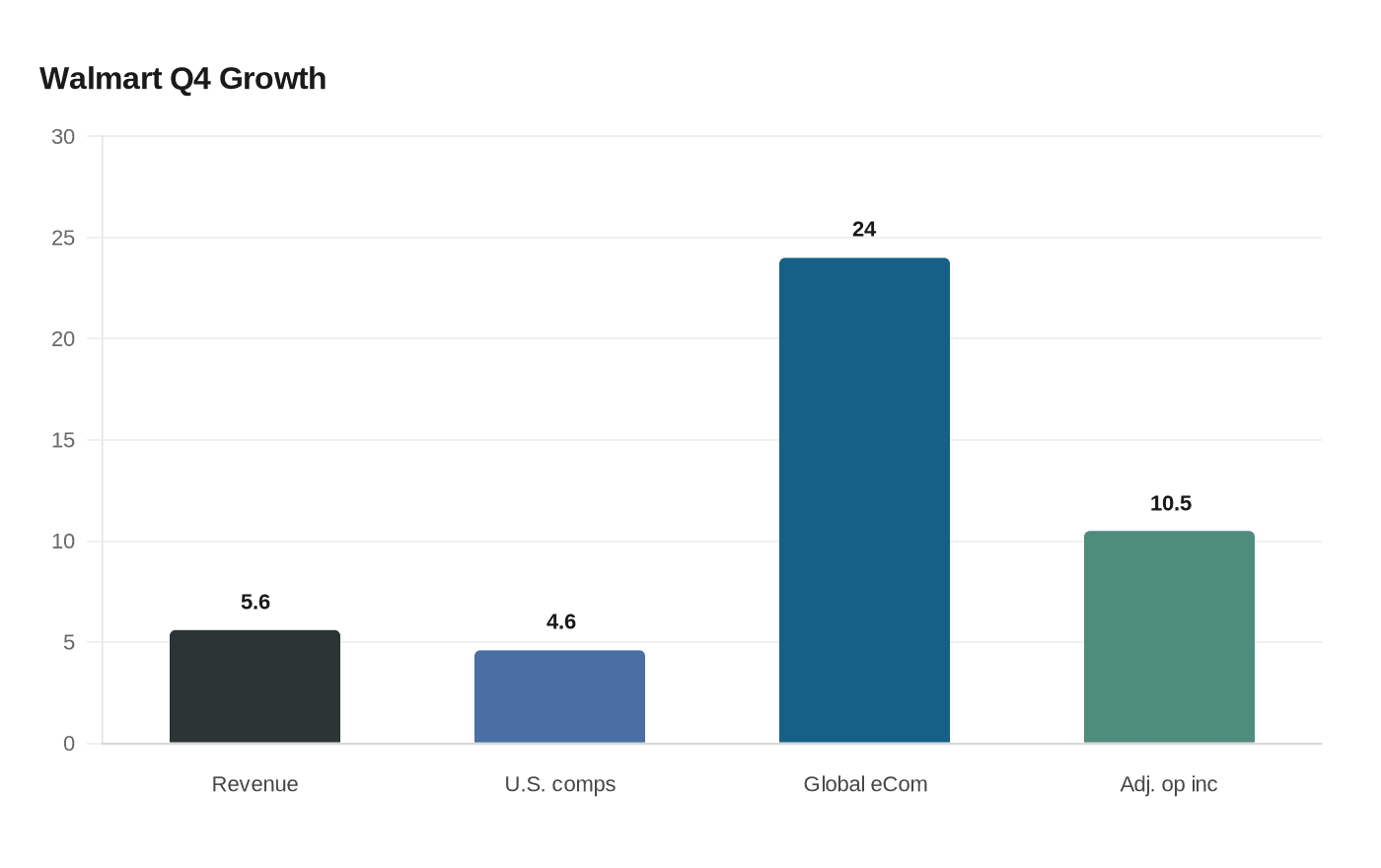
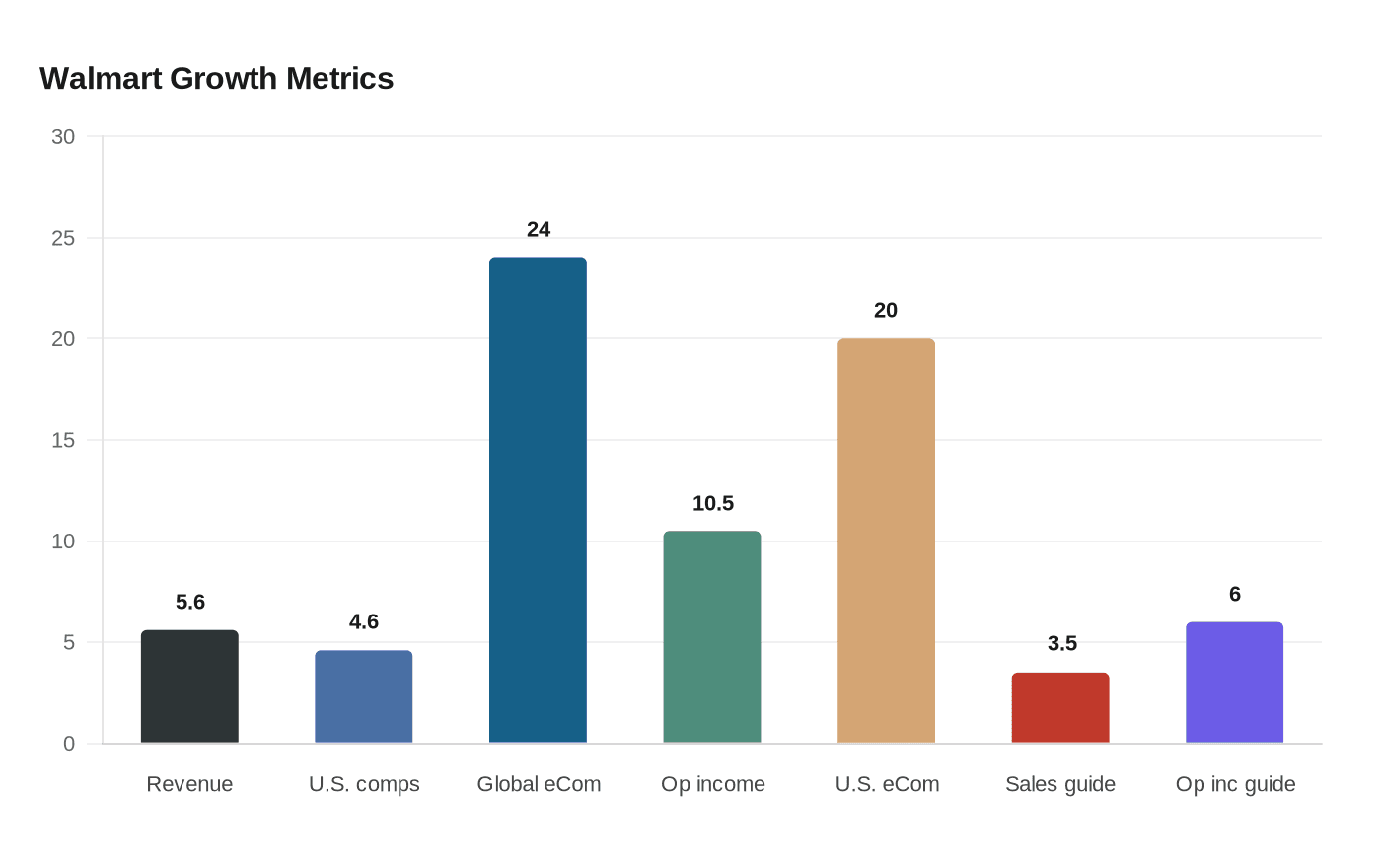
The company’s fiscal fourth quarter, which ended Jan. 31, showed why Walmart is leaning harder into that mix. Revenue rose 5.6% to $190.7 billion, U.S. comparable sales climbed 4.6%, global eCommerce grew 24%, and adjusted operating income increased 10.5% in constant currency. Walmart also said U.S. eCommerce growth topped 20% for the eighth straight quarter, reinforcing how much of the business now depends on digital ordering, pickup and delivery as much as the sales floor.
For hourly associates and department managers, that means more pressure in two directions at once. Higher-income customers may be adding convenience purchases, premium grocery items and larger baskets, while lower-income shoppers are more likely to stretch each trip, swap down brands and concentrate spending in essentials. That can push more traffic into food, consumables and pickup zones, while making replenishment, order staging and customer service more complicated in stores already juggling labor schedules and remodel work. Walmart’s own materials say digital, advertising and membership income are becoming larger parts of the business, and the company is investing in automation, omnichannel fulfillment and store remodeling to support it.
The pattern is not new. CNBC reported in February 2025 that most of Walmart’s market-share gains in the prior fiscal fourth quarter also came from upper-income consumers, suggesting the shift has been building for more than two years. NBC News described the broader backdrop as a K-shaped economy, with wealthier households still spending while lower-income consumers pull back under a hiring recession, weaker sentiment and student loan delinquencies.
Walmart lifted full-year guidance after the quarter, calling for constant-currency sales growth of 3.5% to 4.5% and operating income growth of 6% to 8%. That outlook depends on keeping both sides of the customer split coming through the door, and on stores absorbing a shopper mix that is getting less predictable, not more.
This article was produced by Prism’s automated news system from verified source data, official records, and press releases, then run through automated quality and moderation checks before publishing. The system is built and supervised by the people who set the standards it runs under. Read our full AI policy.
Did this article answer your question?