LGBTQ+ shoppers cut spending at Walmart over DEI concerns
LGBTQ+ shoppers said they cut purchases from Walmart and other brands they see as retreating on inclusion, putting sales and morale on the line.

LGBTQ+ consumers are voting with their wallets, and Walmart was one of the brands most often named when shoppers said they were pulling back over DEI concerns. The signal matters inside stores as much as it does in corporate offices: when customers think a company is walking away from inclusion, that skepticism can reach the front end, the sales floor and the break room.
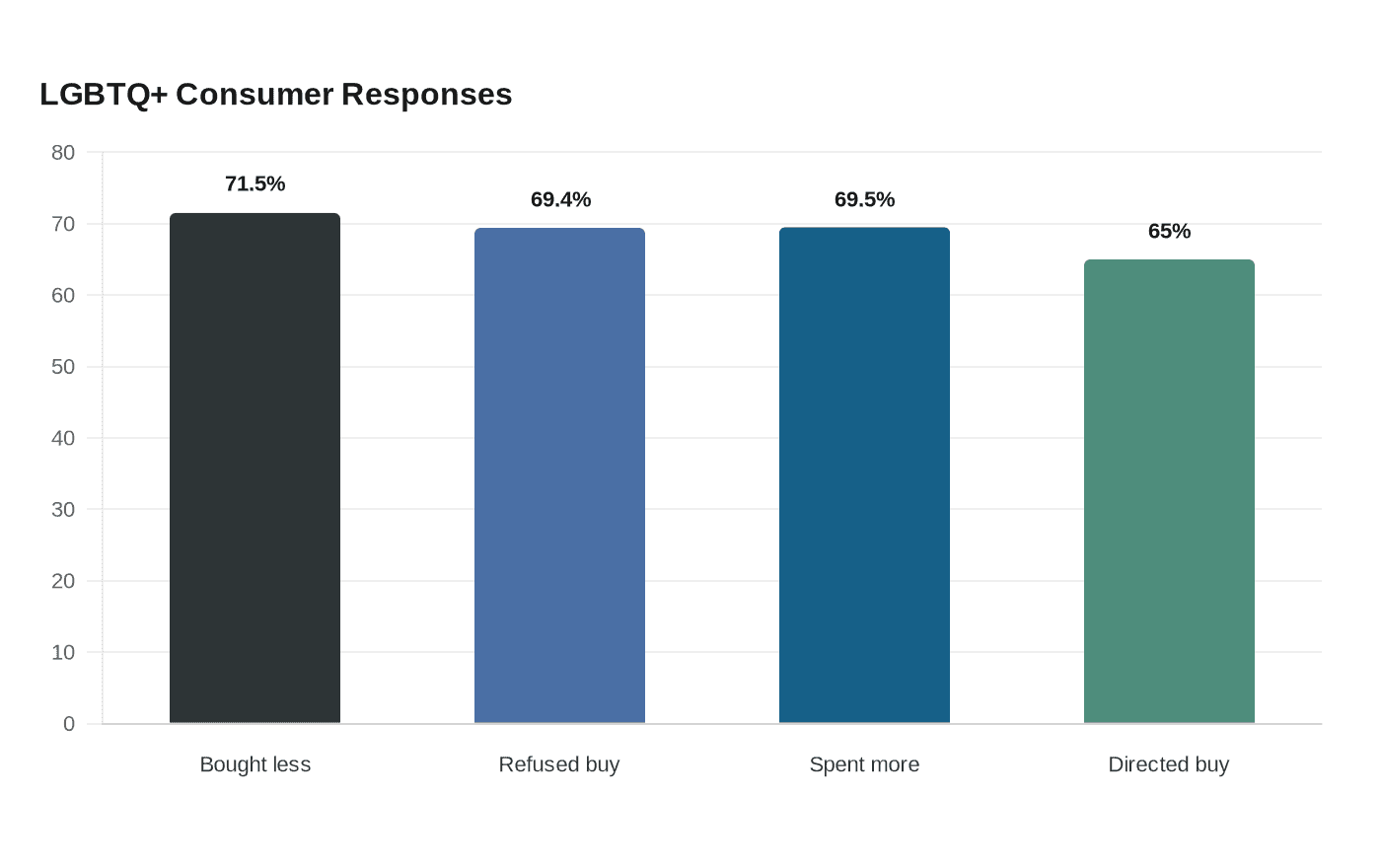
The Human Rights Campaign Foundation said LGBTQ+ consumers have more than $1.4 trillion in annual U.S. spending power and more than $3.9 trillion globally. In its Pride in the Marketplace 2026 consumer report, 71.5% of respondents said they bought fewer products from companies perceived as reducing inclusion commitments, while 69.4% said they had refused purchases from those businesses at least some of the time. By contrast, 69.5% said they increased spending with businesses they see as supportive, and 65.0% said they intentionally directed purchases toward brands committed to inclusion.

Target, Walmart and Amazon were the brands most often cited as losing support, while Costco, Apple and Kroger were more often named as gaining it. Kelley Robinson, the Human Rights Campaign Foundation president, said the findings show consumers are rewarding companies that stand by their values and turning away from those that retreat under pressure.
For Walmart, the customer reaction lands against a backdrop of its own DEI retrenchment. In November 2024, the company confirmed it was ending some diversity initiatives, removing some LGBTQ-related merchandise from its website, winding down a nonprofit funded for minorities and stopping the sharing of data with the Human Rights Campaign Foundation and similar organizations. Walmart also said it was winding down its Center for Racial Equity, created in 2020 after George Floyd’s murder, after Walmart and its foundation had pledged $100 million over five years for the effort.
That policy shift carries a workplace cost, because Walmart’s brand is not abstract to the 1.6 million U.S. workers who wear the vest and field the complaints, questions and praise that come with it. Associates see quickly whether a company’s public image matches the experience on the floor, and whether a promise of inclusion survives contact with customer service desks, department schedules and day-to-day management.
The broader benchmark shows how closely the market is watching. The Human Rights Campaign Foundation said 1,449 major businesses, employing over 22 million Americans, participated in its 2025 Corporate Equality Index, and 765 companies employing over 13 million U.S. workers earned a 100% score, a 28% increase from the year before. Walmart’s Pride Associate Resource Group still says it aims to make the company a safe, diverse and inclusive workplace, but shoppers are now testing whether that message is reflected in the business itself.
This article was produced by Prism’s automated news system from verified source data, official records, and press releases, then run through automated quality and moderation checks before publishing. The system is built and supervised by the people who set the standards it runs under. Read our full AI policy.
Did this article answer your question?