Local minimum wage hikes could reset Walmart pay expectations in 2026
July 1 wage hikes will push Alaska to $14 and D.C. to $18.40, putting pressure on Walmart starting pay and nearby pay bands.
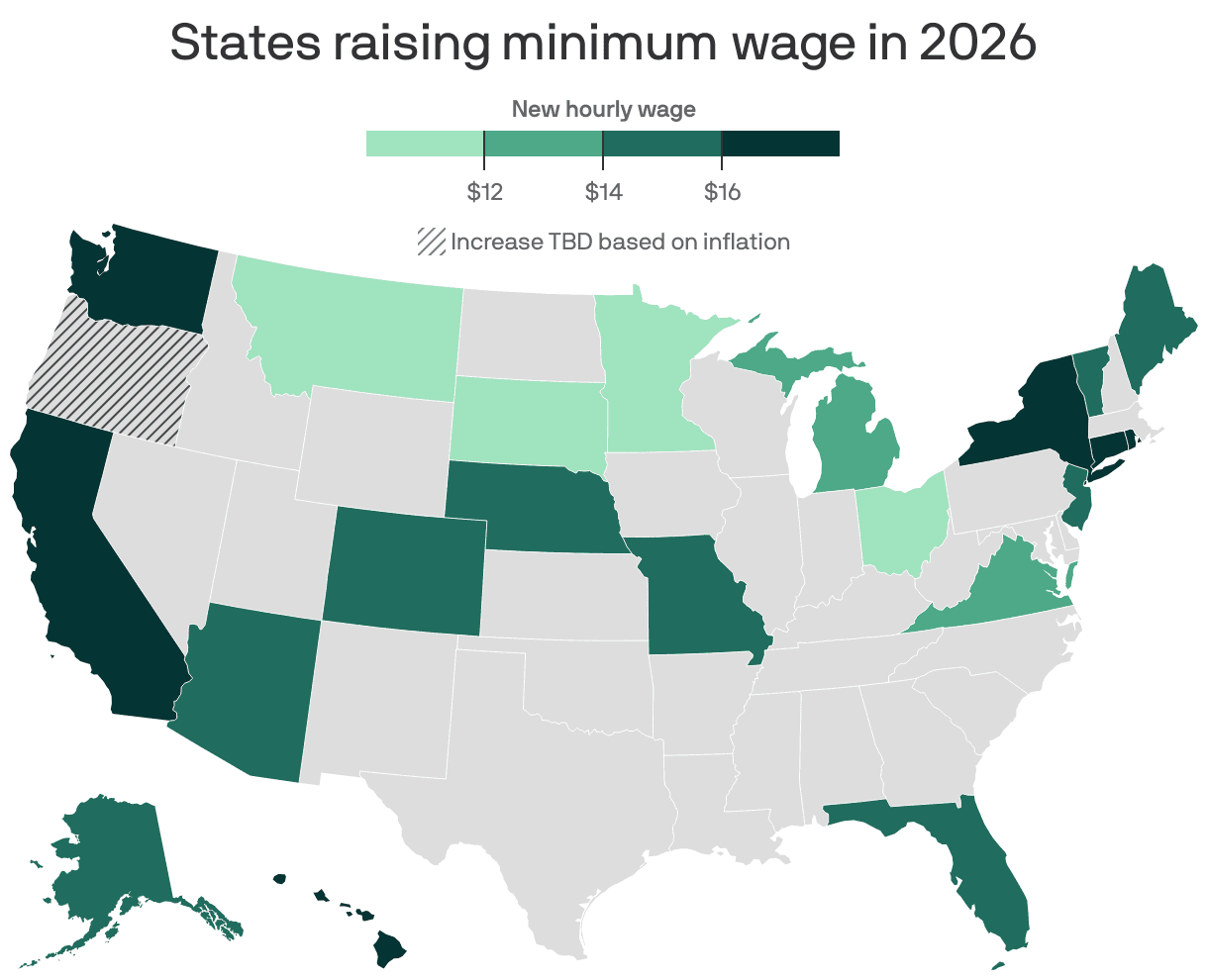
A July 1 wave of minimum wage increases will hit Alaska, Washington, D.C., Chicago and Oregon, and Walmart associates in those markets should watch the next payroll notice closely. The biggest pressure lands on entry-level roles, where a higher legal floor can reset starting offers, staffing budgets and the gap between new hires and longer-tenured workers.
Alaska’s minimum wage will rise from $13 to $14 an hour on July 1, 2026, then to $15 on July 1, 2027, before returning to annual inflation indexing on Jan. 1, 2028. The state says the step-up comes from Ballot Measure 1, approved in November 2024. In Washington, D.C., the minimum wage will climb from $17.95 to $18.40, while the tipped base wage will move from $10 to $10.30. Chicago’s minimum wage for employers with four or more employees will be $17.05, with the tipped wage rising to $12.96. Oregon will set its July 1 rates at $15.55 statewide, $16.80 in the Portland metro area and $14.55 in nonurban counties.

The broader midyear wave also reaches Cook County and several California cities, while Florida’s statewide increase arrives later, on Sept. 30, 2026. Nationally, the National Employment Law Project says 88 jurisdictions, 22 states and 66 cities and counties, will raise minimum wage floors by the end of 2026. For Walmart, that means the legal floor is moving in more than one market, and not always on the same date.
Walmart’s own pay page gives the scale of the issue. The company says the average U.S. hourly field associate makes $18.25 an hour, supply chain associates average $27, and minimum starting wages have risen more than 90% since 2015. Walmart also says the average promotion comes within nine months and more than 1 million frontline associates have received higher wages in recent years. Even where Walmart already pays above the minimum, a local legal reset can tighten the labor market around a store and change what nearby employers are offering.
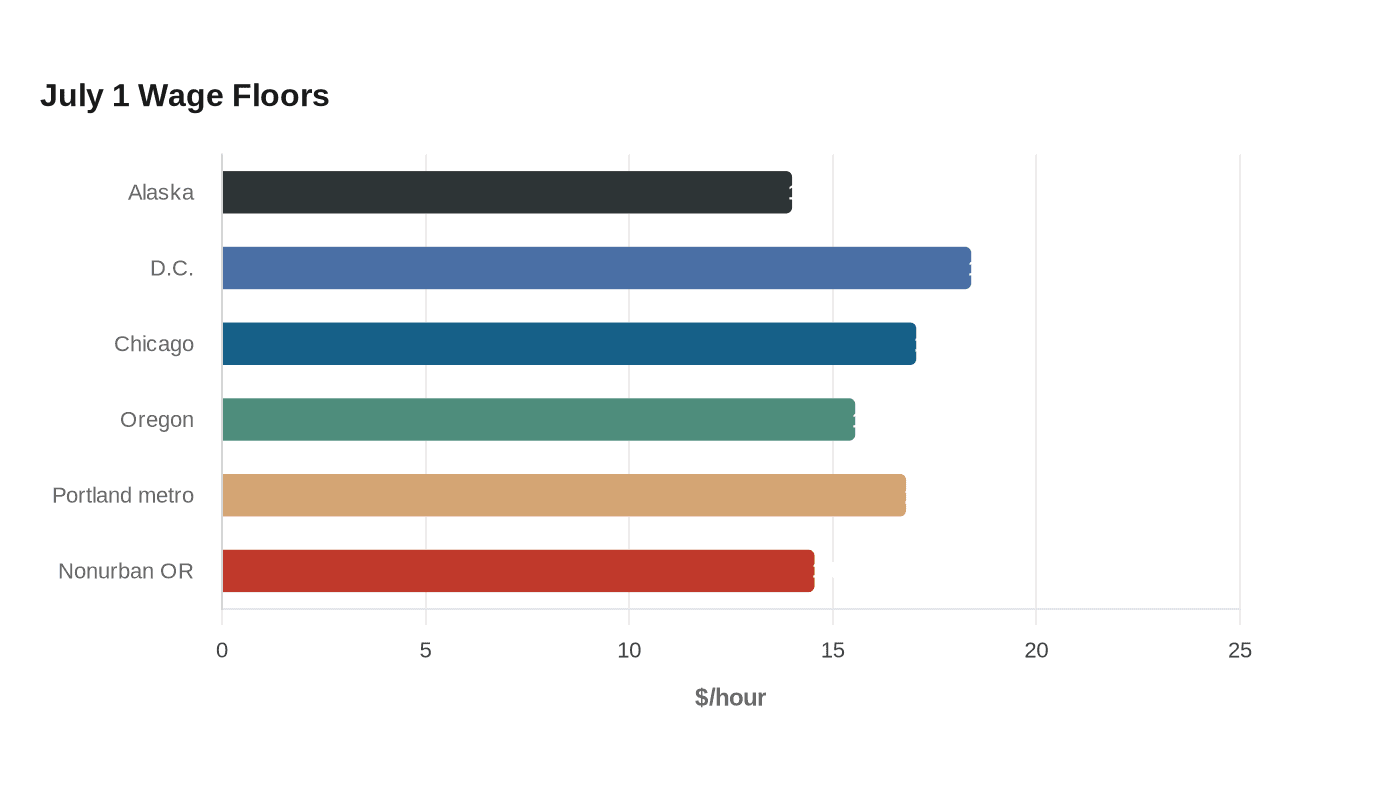
The first workers most likely to feel the change are new hires and associates already sitting at or just above the old legal floor. In Chicago, the July 1 pay shift also lands alongside Fair Workweek and paid leave ordinance changes, which means store leaders there are tracking both wages and scheduling rules at the same time. The practical question for workers is simple: does the new legal floor change only starting pay, or does it also force nearby pay bands upward?
This article was produced by Prism’s automated news system from verified source data, official records, and press releases, then run through automated quality and moderation checks before publishing. The system is built and supervised by the people who set the standards it runs under. Read our full AI policy.
Did this article answer your question?