Maryland bans dynamic grocery pricing, spotlighting Walmart's digital shelf label debate
Maryland became the first state to ban grocery price manipulation tied to surveillance data, a move Walmart workers should watch as digital shelf labels spread.
Maryland drew the first state line against dynamic grocery pricing, and the fight is landing squarely in the same lane as Walmart’s digital shelf label rollout. Gov. Wes Moore signed the Protection From Predatory Pricing Act on April 28, making Maryland the first state to ban price manipulation practices driven by surveillance data in grocery stores.
The new law does not name Walmart, but it matters to Walmart associates because it turns store pricing technology into a public policy issue, not just an operations decision. Under the enacted version, the ban applies to food retailers and third-party delivery services. It also narrows the definition of dynamic pricing to personalized pricing based on a consumer’s personal data, and it makes violations an unfair, abusive or deceptive trade practice subject to enforcement and penalties. The law takes effect on October 1, 2026, giving retailers and regulators months to sort out how aggressively the new boundary will be enforced.
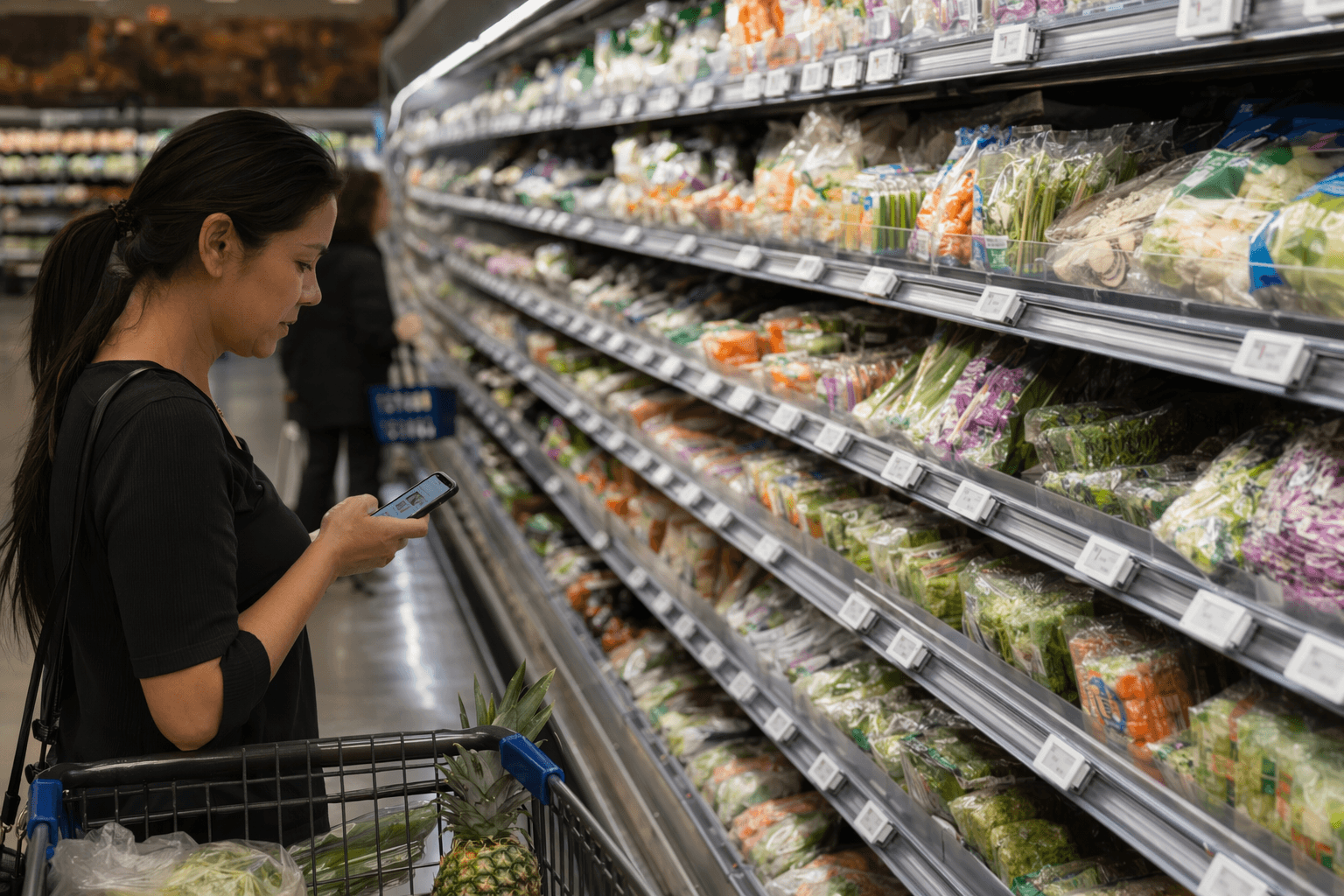
That distinction matters on the sales floor. Walmart has said its digital shelf labels are not for dynamic pricing, even as the company has planned a broad rollout, first to 2,300 stores by 2026 and later to all U.S. stores by the end of 2026. For hourly associates and managers, the policy question is no longer theoretical: if lawmakers insist shoppers must see a stable shelf price, then the systems used for rollbacks, promotions, markdowns and price updates will face more scrutiny whenever a customer challenges a tag or a register scan.
Maryland’s move also puts pressure on the basics of store execution. Price changes that once lived inside back-office workflows can become front-line issues when shoppers, media and regulators start asking how a label changed and who approved it. That means more training for department managers and assistant managers, more careful explanations at the shelf, and more time spent handling pricing complaints instead of just moving freight or covering the department.
The politics around the law moved quickly. Senate President Bill Ferguson and House Speaker Joseline Peña-Melnyk backed the measure immediately, and state leaders did not point to specific Maryland examples of dynamic pricing when they made the case for it. The governor’s office framed the law as a response to grocery affordability pressure, while the Federal Trade Commission’s surveillance-pricing study, launched in July 2024, had already made personalized pricing a national issue. Walmart, meanwhile, is still betting that digital shelf labels will speed price changes and cut errors without becoming a tool for individualized pricing.
That is why Maryland matters far beyond Annapolis. UFCW has warned that electronic shelf labels are spreading quickly, and the Maryland ban gives workers a first-state precedent to watch: pricing tech can now trigger state-level enforcement, and that will shape how stores train associates, handle overrides and explain every price on the shelf.
This article was produced by Prism’s automated news system from verified source data, official records, and press releases, then run through automated quality and moderation checks before publishing. The system is built and supervised by the people who set the standards it runs under. Read our full AI policy.
Did this article answer your question?