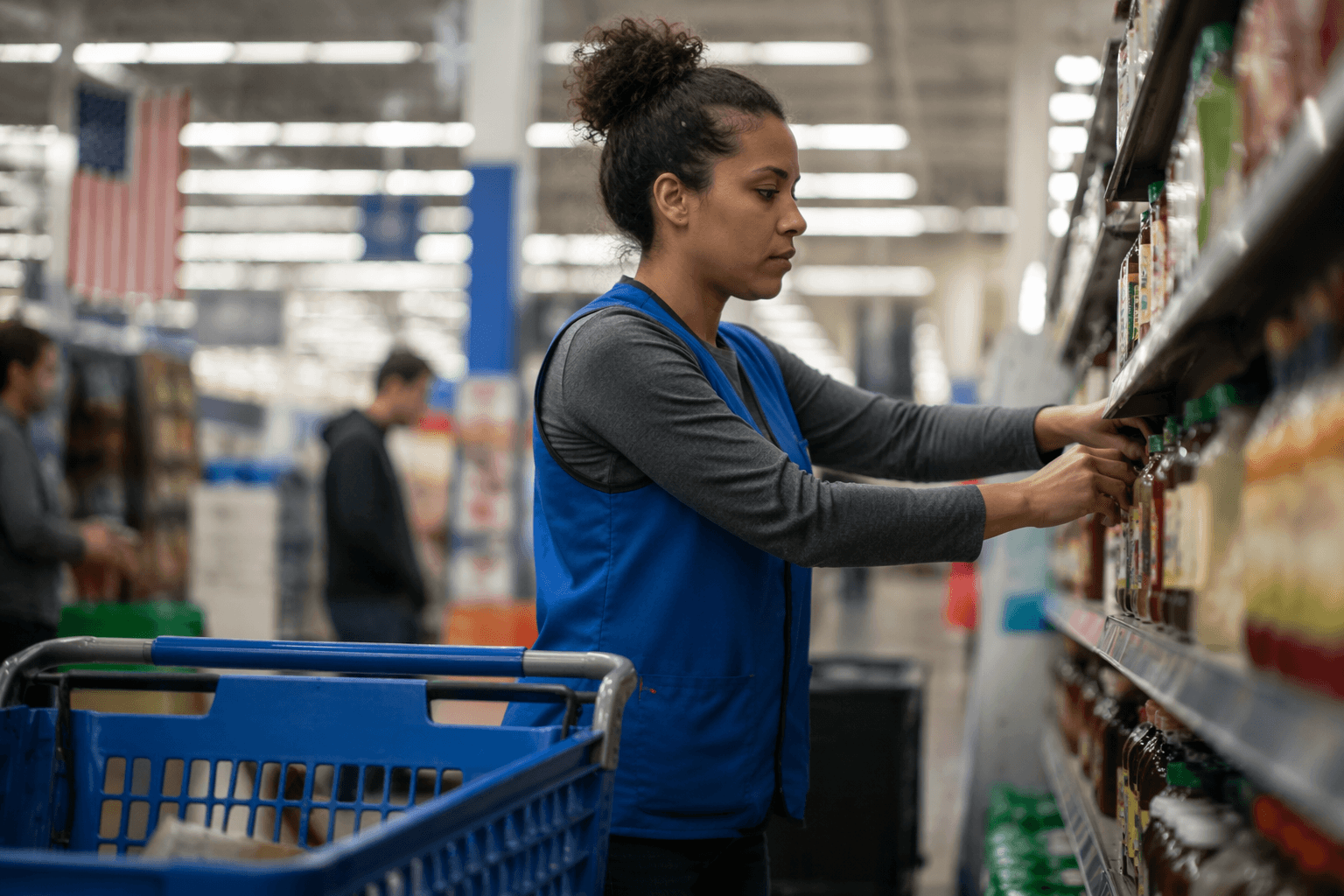
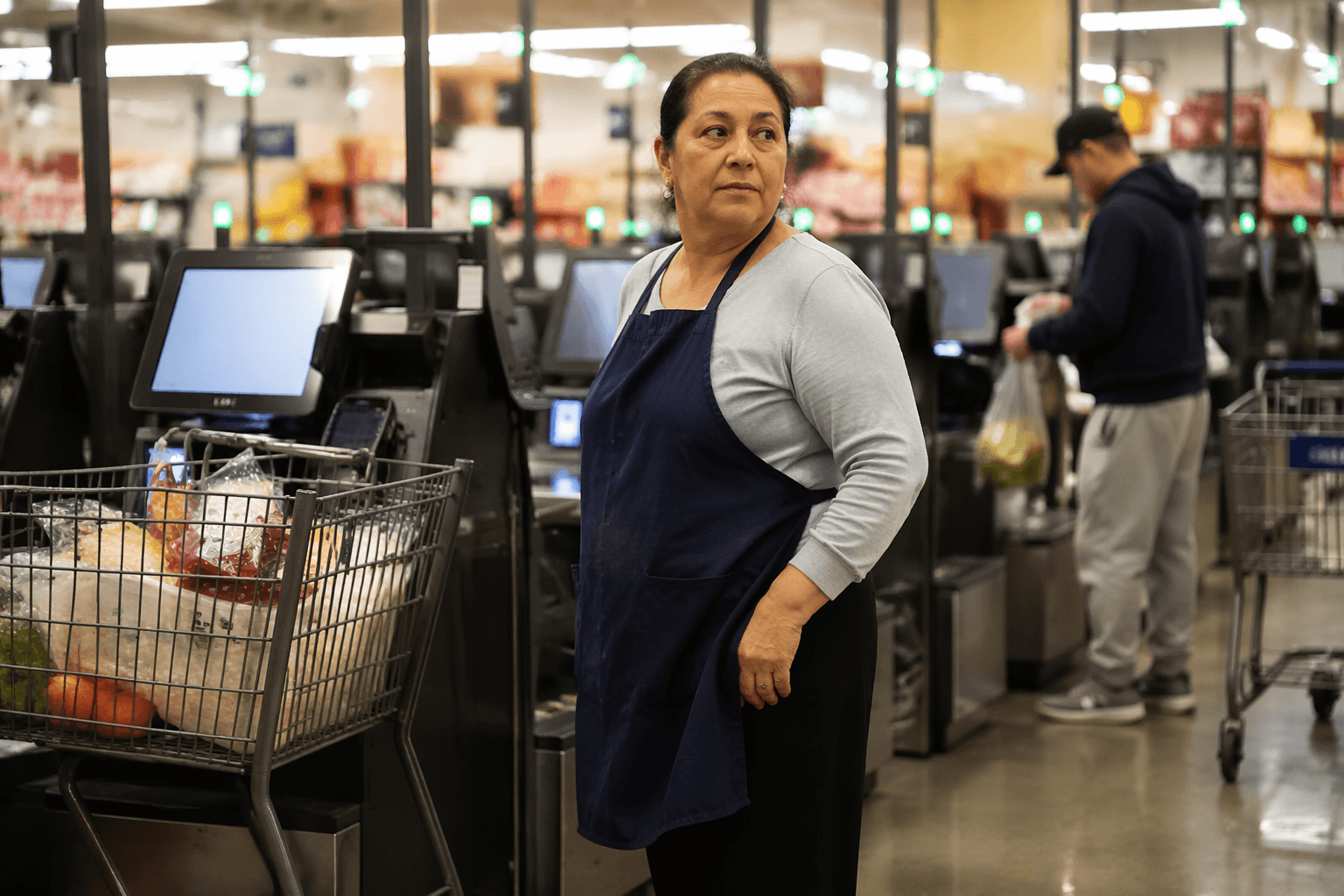
NLRB Filing Surge Heightens Labor Law Scrutiny for Walmart Stores
Hundreds of charges landed on the NLRB's public filings page in early April, with retail and logistics among the hottest sectors. Here is what that means at the store level.
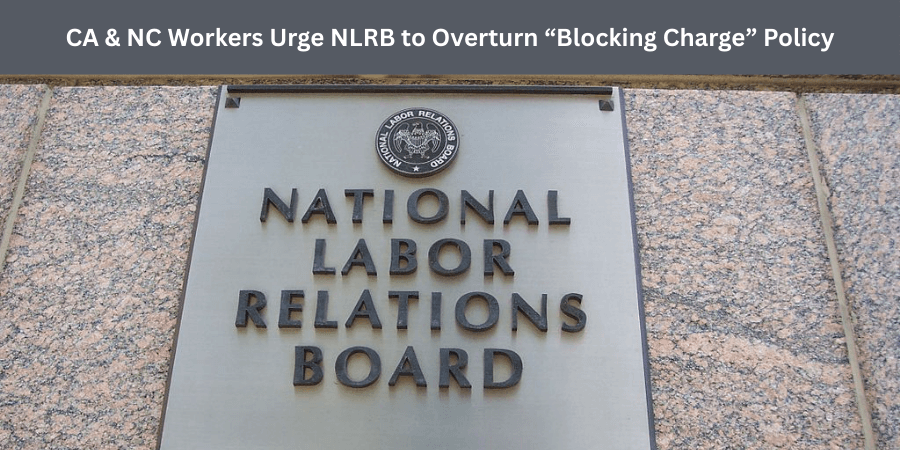
The National Labor Relations Board's public filings page logged hundreds of new charges and petitions across private-sector employers in the first week of April 2026, with food, retail, and logistics among the most active sectors. The agency processes between 20,000 and 30,000 charges in a typical year, and the April 3 update to its case-level database reflects that pace holding steady. For Walmart store and distribution center workers, that volume is not an abstraction: it maps directly onto a specific set of rights and obligations that activate the moment any organizing conversation begins inside a building.
Understanding how a case reaches a store starts with knowing what triggers one. A charge typically originates with one or more workers filing directly with the nearest NLRB regional office, sometimes supported by a union or worker center that assists with paperwork and strategy. Once filed, the regional office assigns a case number, posts it publicly with date, status, location, and unit description, and opens a formal investigation. Representation petitions follow a parallel path: workers collect authorization signatures, submit a petition, and a regional office schedules a secret-ballot election if the petition clears the threshold. Associates at a Walmart location would likely learn an open case exists through a coworker conversation, a legally required posted notice, or the arrival of an NLRB field agent conducting interviews on site.
The protected behaviors at the heart of any NLRB case trace to Section 7 of the National Labor Relations Act. Covered activity includes discussing wages and benefits with coworkers, circulating a petition for better hours or working conditions, and raising workplace concerns jointly with management, a government agency, or the media. An employer crosses into Section 8(a)(1) territory by threatening workers over organizing, interrogating them about who signed what, or disciplining someone because of protected concerted activity. Each of those actions can generate its own additional charge, compounding the original case.
Captive audience meetings require particular care. A precedent established in a Board case involving Amazon found that mandatory attendance at employer-run meetings on union topics violates the Act when attendance is compelled under threat of discipline. People leaders scheduling any store meeting that touches on organizing should verify the current legal standard with legal counsel before putting names on a sign-in sheet.
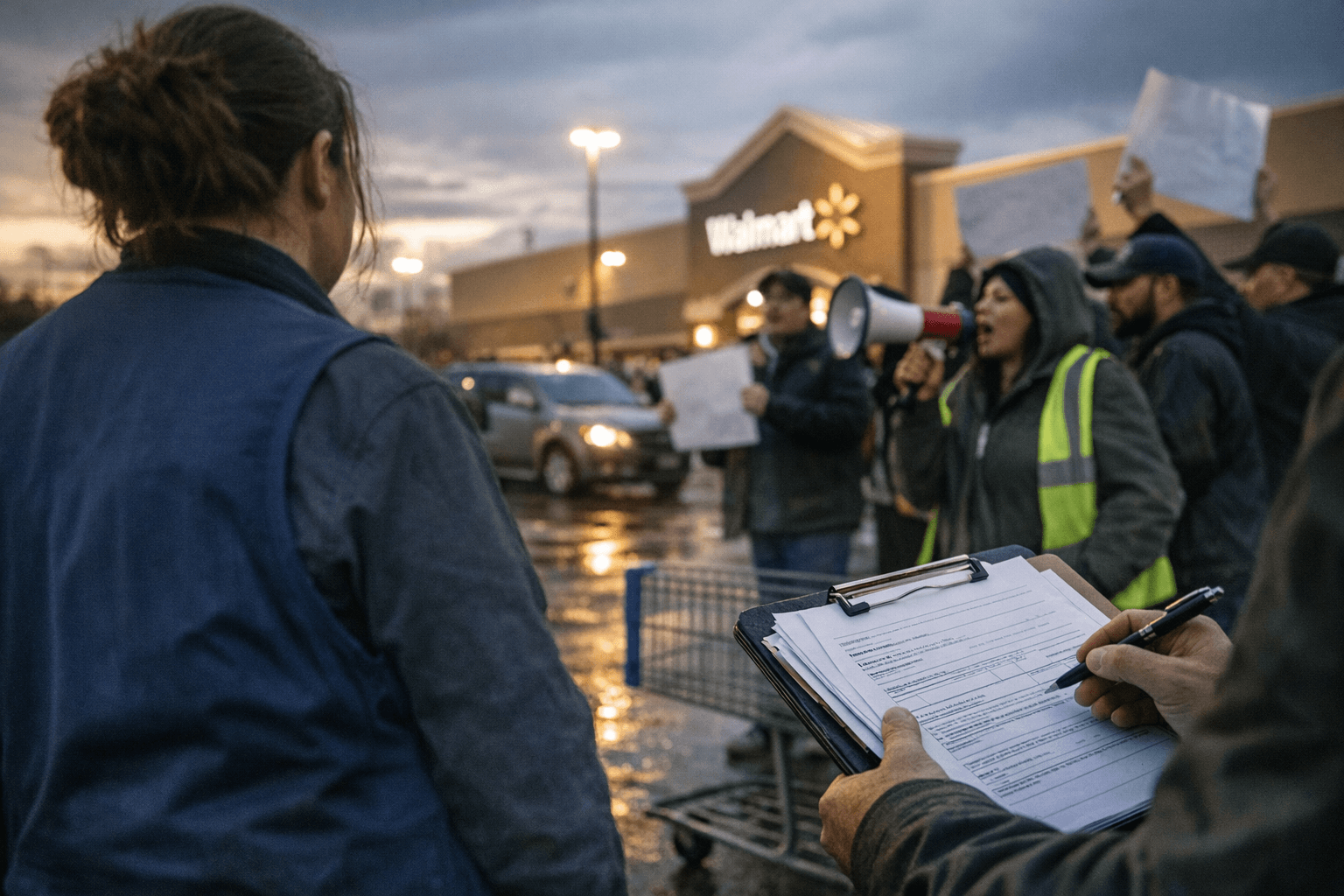
Once a charge or petition is filed, documentation becomes a tactical necessity for both sides. Associates who believe their rights have been interfered with should record the date, time, location, and names of any witnesses to the relevant interaction, then escalate through People Services without delay. NLRB investigators weigh contemporaneous notes heavily when building or refuting a case, and a lag of days or weeks between an incident and its recording can undermine an otherwise valid concern.
People leaders face a narrower playbook the moment organizing activity is visible in the building. Any personnel action involving an associate known to be engaged in protected activity carries the risk of producing a fresh unfair labor practice charge. The appropriate step before acting is consulting legal and people advisors and following the company's established NLRB response protocol, not improvising in the moment.
With regional offices actively processing charges across retail and logistics, the rules that have already produced formal complaints, required elections, and binding remedies at other large employers apply with equal force at every Walmart store and distribution center in the country.
This article was produced by Prism’s automated news system from verified source data, official records, and press releases, then run through automated quality and moderation checks before publishing. The system is built and supervised by the people who set the standards it runs under. Read our full AI policy.
Did this article answer your question?