Walmart's Digital Shelf Labels Face Lawmaker Scrutiny, Raising Worker Concerns
An Ohio team leader says digital shelf labels cut her pricing hours by 75%, but a Senate bill would ban them in every store over 10,000 square feet.
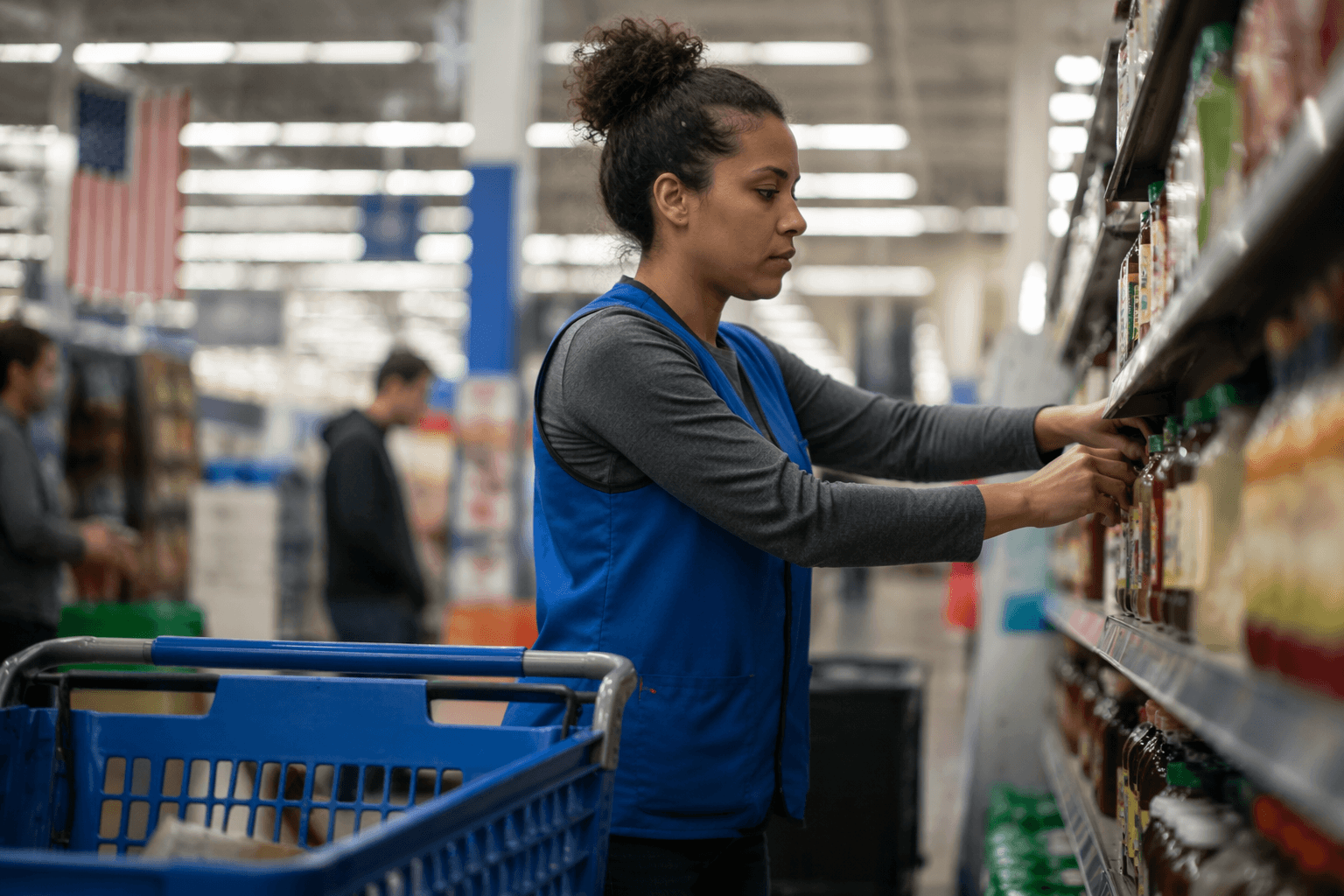
Amanda Bailey no longer spends the bulk of her shift printing and swapping paper price tags at her Walmart in West Chester, Ohio. The electronics team leader estimates that digital shelf labels, or DSLs, have cut the time she previously devoted to pricing duties by 75%, hours now redirected toward helping customers and, in a detail that speaks to how deeply the technology integrates into store operations, guiding Spark delivery drivers to products via a flashing shelf beacon. Her experience is becoming the template for 4,600 U.S. Walmart locations, all of which the company has targeted for DSL installation by the end of 2026.
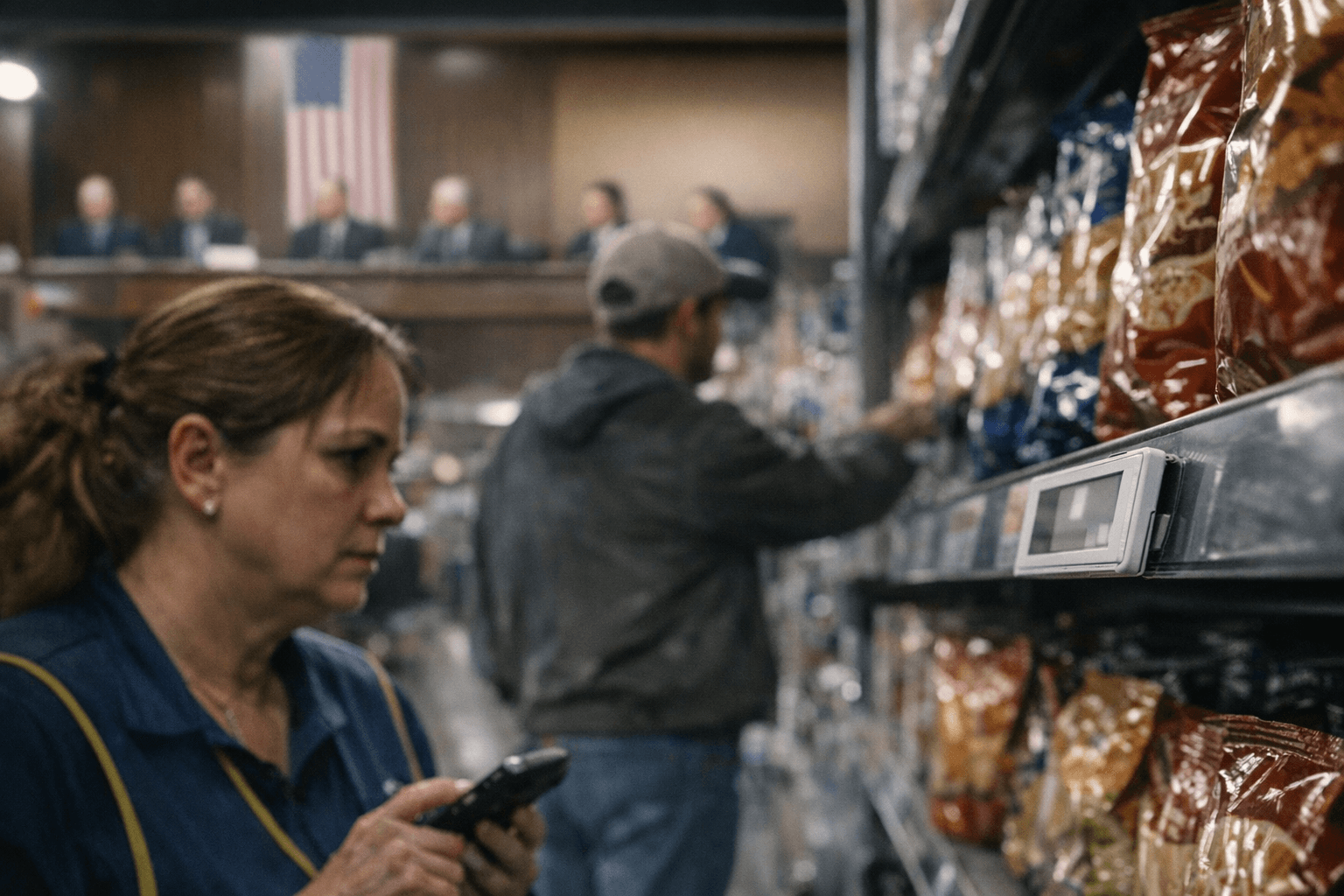
That timetable is now running into organized opposition in Congress and state legislatures. Sen. Ben Ray Luján of New Mexico introduced the Stop Price Gouging in Grocery Stores Act, which would prohibit any grocery store larger than 10,000 square feet from using digital shelf labels, a threshold that covers every Walmart in the country. Sen. Jeff Merkley of Oregon is co-sponsoring the bill in the Senate, and Rep. Val Hoyle of Oregon is carrying similar legislation in the House, arguing that once a retailer can reprice inventory in seconds, preventing future abuse becomes impossible without explicit legal limits. "With food costs rising each month," Luján said in a statement, "it's more important than ever that any new technologies implemented in grocery stores are helping to lower costs, not raise them."
The United Food and Commercial Workers union sharpened the pressure in February, launching a national campaign against what it describes as "surveillance pricing" and drafting model legislation requiring paper shelf pricing in stores larger than 10,000 square feet. The UFCW, which represents more than one million workers, calls DSLs the "missing piece" of a system that could allow retailers to personalize prices using consumer data. That framing has gained traction in several states: New York's Algorithmic Pricing Disclosure Act became law in November, and Pennsylvania recently introduced a bill barring dynamic pricing outright.
Walmart has pushed back directly. A company spokeswoman said the labels will not be used for dynamic pricing, adding that "the price you see is the same for everyone in any given store," and that what once required multiple associates working for days can now be done in minutes.
For store teams, the sharpest near-term effect is a job-content shift rather than a headcount announcement. Pricing work that previously drove scheduling, including night price-change crews and dedicated label teams, is migrating toward exception management: spotting mismatches between what a DSL displays and what the register charges, flagging hardware errors, and escalating system gaps before shoppers reach checkout. Pam Danziger, writing for Forbes on April 1, documented that industry observers cite the speed advantage of DSLs while also noting the consumer-protection questions that speed raises, questions that could add new compliance requirements at store level.
On the sales floor, associate-to-customer conversations about the technology are already happening. Bailey described shoppers who notice a digital tag appearing on a shelf and immediately assume a price increase. "They are not used to seeing digital tags," she said. "They think prices are being raised, but what they are really doing is eliminating processes."
In states where legislation advances, stores face a practical compliance window: posting paper price copies alongside DSLs, conducting certified audits, or pausing label updates until the legal picture clears. Associates handling price inquiries should be prepared to explain that DSL price changes reflect centralized rollback and promotion updates, not real-time demand adjustments, and to escalate any confirmed shelf-to-register discrepancy through the standard exception workflow rather than attempting a manual override.
This article was produced by Prism’s automated news system from verified source data, official records, and press releases, then run through automated quality and moderation checks before publishing. The system is built and supervised by the people who set the standards it runs under. Read our full AI policy.
Did this article answer your question?