NLRB orders Amazon to bargain again, a warning for Walmart workers
NLRB ordered Amazon to bargain with San Francisco DCK6 workers hours before Prime Day, its second such order in less than three months.
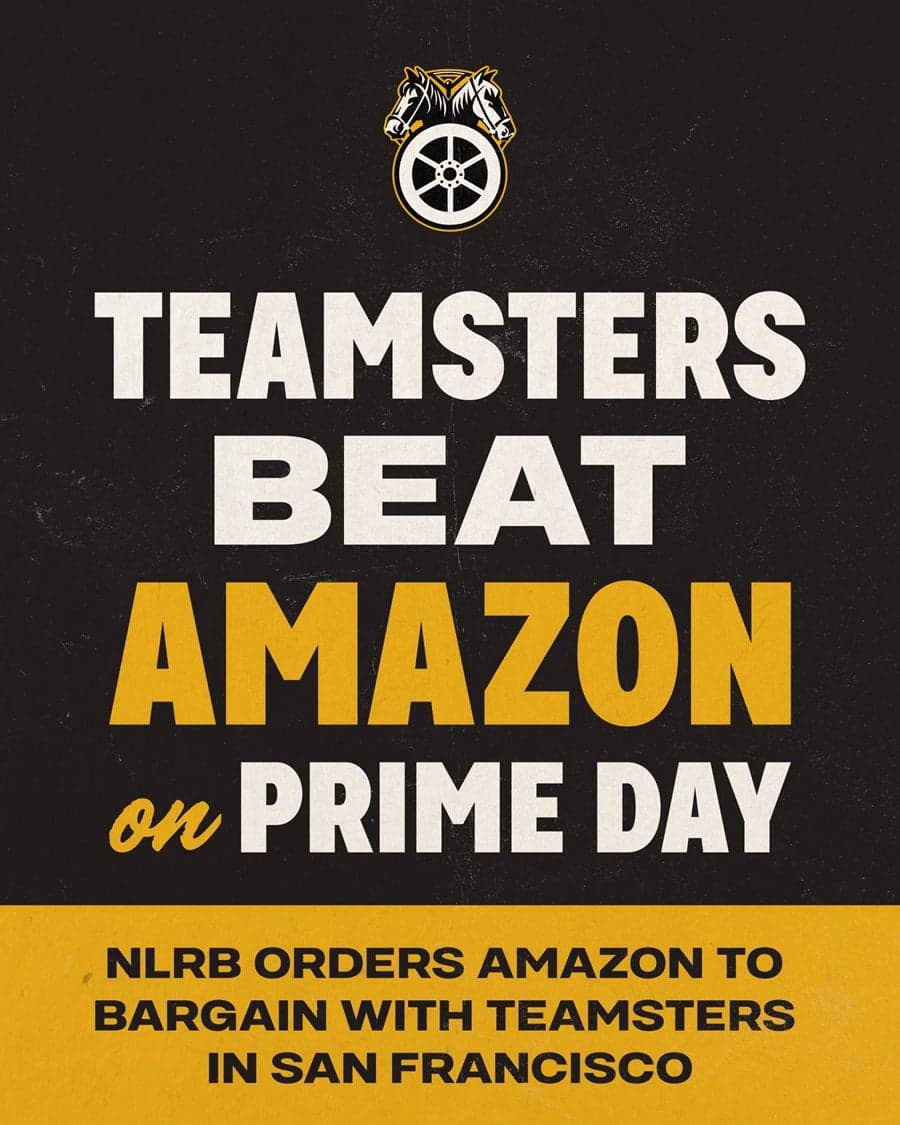
Amazon got another bargaining order from the National Labor Relations Board on June 23, this time for Teamsters-represented workers at its DCK6 facility in San Francisco, and the timing landed only hours before Prime Day. The ruling was the second Amazon bargaining order in less than three months, after the board ordered the company to bargain with workers at JFK8 in Staten Island. Amazon has not accepted the DCK6 ruling and can still appeal, so wages, schedules and benefits do not change overnight.
The San Francisco fight has been building since October 2, 2024, when more than 100 workers at the Toland Street warehouse organized with the Teamsters and demanded recognition. In December 2025, the San Francisco Board of Supervisors unanimously backed a resolution calling on Amazon to bargain with more than 100 warehouse workers and drivers at DCK6, a sign that the dispute had moved beyond the loading dock and into City Hall. The NLRB docket for the San Francisco case shows an administrative law judge decision on May 29, 2026, followed by a transfer to the board.
The Teamsters are using the DCK6 ruling to argue that Amazon is no longer fighting isolated site-by-site skirmishes. Randy Korgan, who leads the Teamsters Amazon Division, said the company had received the second bargaining order in less than three months, while the union also says nearly 10,000 Amazon workers have organized with it over the last two years. On the JFK8 side, Teamsters material says roughly 5,500 workers formed their union on April 1, 2022, then affiliated with the Teamsters in June 2024 as Amazon Labor Union-IBT Local 1.

For Walmart associates, the lesson is not that Amazon and Walmart face the same case. It is that the pressure points in retail logistics are similar: scheduling, productivity quotas, safety, job classifications and peak-season strain all become organizing issues when workers think management is not listening. Amazon’s DCK6 case also shows how the pressure can build outside a traditional election path, through unfair-labor-practice charges, city resolutions and public timing around major shopping events. That combination matters anywhere a warehouse or delivery network runs on tight labor, fast turnarounds and constant metrics.
This article was produced by Prism’s automated news system from verified source data, official records, and press releases, then run through automated quality and moderation checks before publishing. The system is built and supervised by the people who set the standards it runs under. Read our full AI policy.
Did this article answer your question?