OSHA recordkeeping rules help Walmart track injuries and prevent hazards
A Walmart injury report can do more than start care, it can decide how the case is logged, what gets fixed, and whether a hazard pattern stays hidden.
Why the paperwork matters after an injury
At Walmart, the first priority after a fall, strain or cut is getting care. The next step is making sure the incident is categorized correctly, because that record can shape OSHA logs, workers’ comp handling and the safety fixes that follow.
That distinction matters in a company the size of Walmart Inc., which says it serves more than 265 million customers and members each week through approximately 11,500 stores in 27 countries. In a business built on pallets, ladders, carts, wet floors and freezer work, a missed entry is not just a paperwork issue. It can hide the pattern that would have pointed managers to a bad process, a worn piece of equipment or a staffing problem.
Reporting an injury, filing a claim and logging a case are not the same thing
The first layer is simple: report the injury so the associate can get care and the manager knows something happened. The second layer is workers’ compensation, which is the process that can cover medical treatment and other benefits depending on the case and the state rules that apply. The third layer is OSHA recordkeeping, which is separate from both and exists so employers can track recordable work-related injuries and illnesses.
OSHA says recordkeeping rules help employers, employees and the agency identify hazards and prevent future injuries and illnesses. Many employers with more than 10 employees must keep injury and illness records on OSHA Forms 300, 300A and 301. For Walmart managers, that means an incident is not over when the associate leaves the sales floor or the back room. The way it is logged can affect whether the injury shows up in the store’s safety history and whether a repeat hazard gets attention.
That is why workers should ask how an incident was categorized after it is reported. Was it treated only as an injury report, was a workers’ comp claim opened, and was it entered into the OSHA log if it met the recordkeeping rules? Those are different questions, and confusing them can leave a safety problem buried in the paperwork.
What Walmart has to report and when
OSHA requires all employers to notify the agency within 8 hours after a work-related death. Employers must notify OSHA within 24 hours after an inpatient hospitalization, amputation or loss of an eye. Those deadlines matter because the most serious cases trigger immediate attention, not just an internal review.
OSHA also says certain establishments must submit injury and illness data electronically through the Injury Tracking Application. Beginning in 2024, some establishments were required to submit certain case details from Forms 300 and 301, not just the annual summary data that had been part of electronic reporting since 2016. Covered establishments must electronically submit their injury and illness data by March 2 of the year after the covered calendar year.
That timeline makes the recordkeeping process more than an annual compliance chore. It is the mechanism that turns individual incidents into a broader picture of what is happening in stores, clubs, warehouses and distribution facilities. If the case is coded wrong at the start, the follow-up trend analysis can be wrong too.
Why the record gap after an injury can matter more than the injury itself
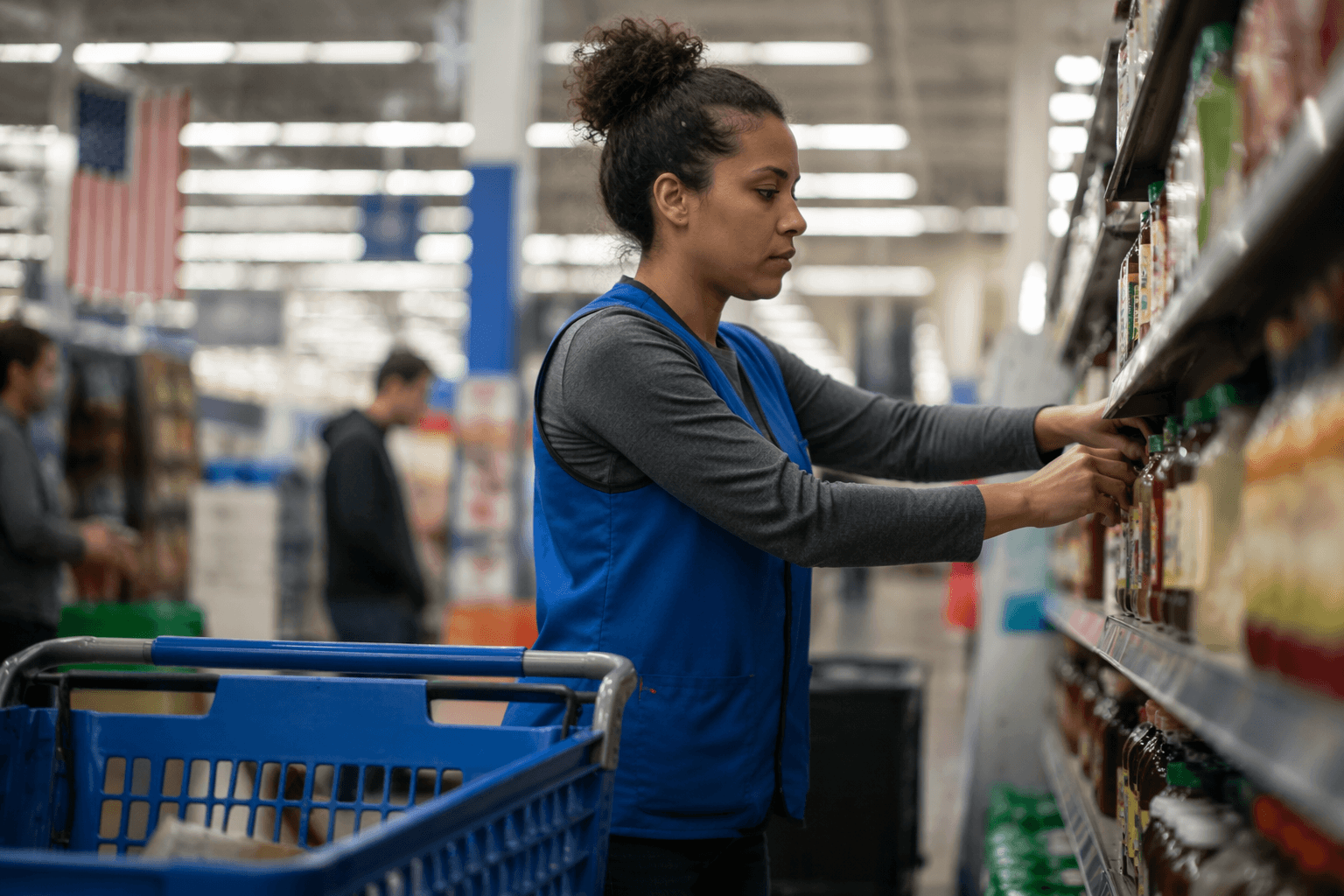
Most associates are focused on pain, treatment and getting back home. But a small injury can become a bigger problem if it is ignored, and a string of small injuries can point to a larger operational issue. A strained shoulder from stocking, a slip on a wet floor or a cut from handling freight may not look major in the moment, yet the record can reveal whether the same kind of event keeps happening in the same department or during the same shift.
That is where OSHA recordkeeping becomes a safety tool instead of just a compliance rule. If leaders see multiple similar cases, they can look harder at staffing, equipment, training or workflow. OSHA says the point is to identify hazards and prevent future injuries, and Walmart’s own ethics and integrity materials say employees should speak up when something isn’t right. Those ideas fit together: reporting early helps catch a hazard before it turns into a pattern.
Walmart’s safety culture has already leaned into prevention
Walmart has publicly framed safety investments as part of operations, not just legal compliance. In 2021, the company said it deployed a safety wearable-technology program at a grocery distribution center in Gordonsville, Virginia, to help keep associates safe at work. That kind of effort shows the company understands that injury prevention is tied to how work is done on the floor, not only to what gets written in a log.
For hourly associates, that means the best time to raise a concern is before the injury gets worse or before a near miss becomes a claim. For department managers and assistant managers, it means the record should be accurate enough to show whether the hazard was a one-off or a repeated condition. A good safety culture is not built on saying the right things after an injury. It is built on noticing the hazard early enough to stop the next one.
The bigger picture behind the numbers
The need for accurate reporting is underscored by the national data. The U.S. Bureau of Labor Statistics said private-industry employers reported 2.5 million nonfatal workplace injuries and illnesses in 2024, the lowest number in the series going back to 2003. The private-industry total recordable case rate also fell to 2.3 cases per 100 full-time equivalent workers, down from 2.4 in 2023.
Those are encouraging numbers, but they do not make recordkeeping less important. If anything, they show why employers have to keep counting carefully. OSHA and BLS both rely on employer-recorded data to compare industries, spot patterns and identify hazards before more workers get hurt. At Walmart scale, where even a small recurring problem can affect thousands of associates, the record is part of the prevention system.
The lesson for Walmart is straightforward: get care first, then make sure the injury is reported, categorized and logged correctly. That record can decide whether a fix happens quickly or whether the same hazard keeps showing up under a different name.
This article was produced by Prism’s automated news system from verified source data, official records, and press releases, then run through automated quality and moderation checks before publishing. The system is built and supervised by the people who set the standards it runs under. Read our full AI policy.
Did this article answer your question?