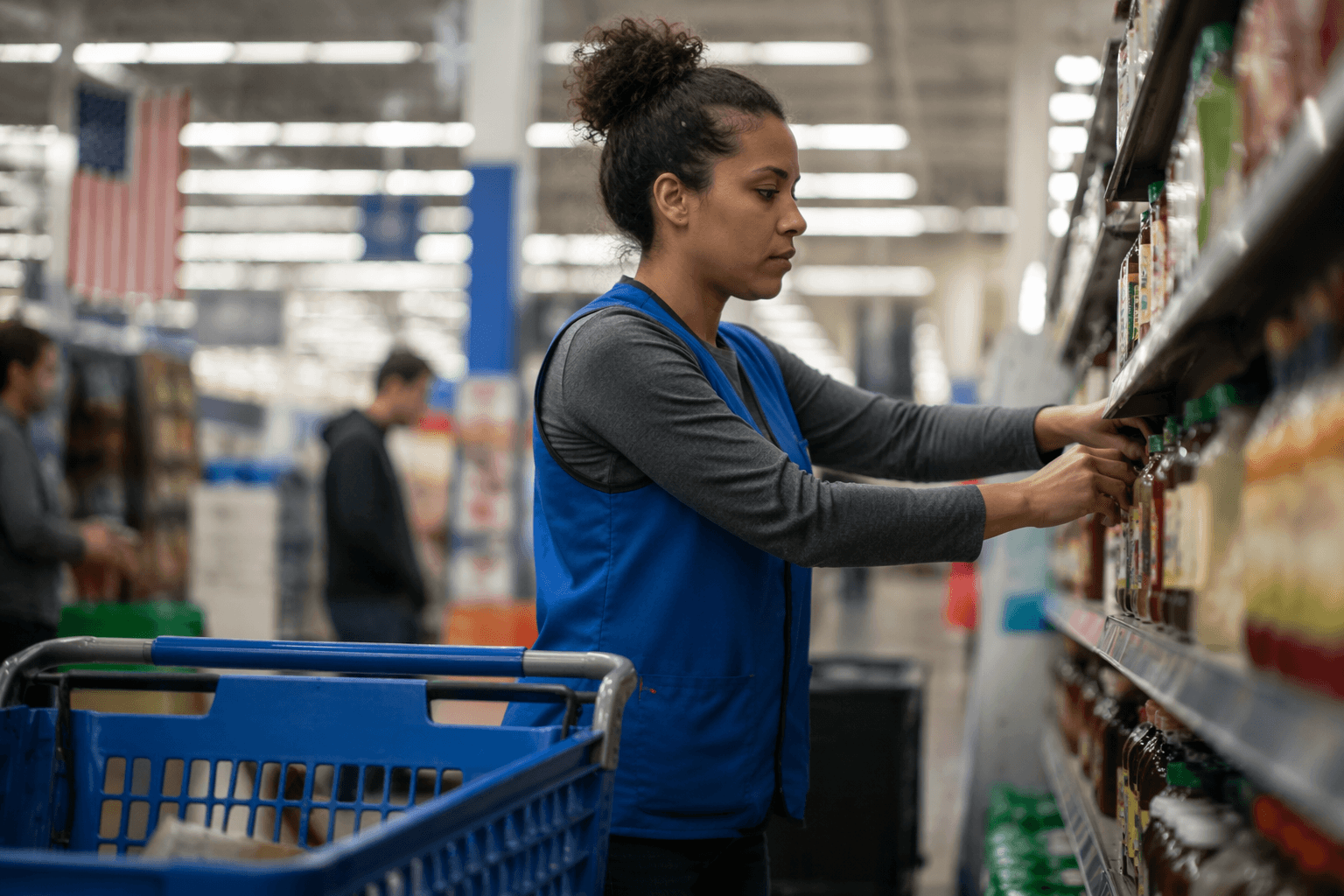
OSHA rules spotlight slip and lifting risks in Walmart stores
Routine stocking can turn into a slip or back injury fast. OSHA and NIOSH say Walmart floors, lifts, and backrooms need active controls, not shrug-and-move-on habits.

Retail work can look routine from the sales floor, but the routine is where the injuries pile up. A wet aisle, a cluttered backroom, or a heavy two-handed lift may not seem dramatic in the moment, yet OSHA and NIOSH treat those conditions as core workplace hazards. For Walmart employees, the message is plain: the job is not just about moving product and keeping lines short, it is also about preventing the kinds of slips, trips, and strains that can sideline a shift or a career.
The hazards are built into the work
OSHA’s walking-working-surfaces standard is aimed at the everyday conditions that store workers deal with all day long. Employers are supposed to keep workplaces, passageways, storerooms, and service rooms clean, orderly, and sanitary, and maintain floors in a dry condition to the extent feasible. If a surface becomes hazardous, it must be corrected or repaired before an employee uses it again, or guarded until it is fixed.
That matters in a Walmart-style store because the risks are rarely confined to one corner of the building. Spills, leaks, loose boards, ice, snow, and protruding objects are all the kinds of hazards OSHA expects employers to control. The agency says falls from heights and on the same level are among the leading causes of serious work-related injuries and deaths, which is a reminder that a slip on a shiny floor can be just as consequential as a more obvious fall from a ladder.
What workers should watch for on the floor
The daily warning signs are often easy to dismiss because they are so familiar. A slick patch by the produce case, water tracked in from outside, a damaged transition strip, or a cluttered storeroom aisle can look like minor housekeeping issues until someone goes down. OSHA’s standard is built around the idea that those conditions should not be left for the next shift to work around.
For hourly associates, the practical response is to slow down enough to see the hazard before stepping into it. That means using carts instead of carrying more than is safe, reporting spills or trip hazards quickly, and wearing appropriate footwear that matches the conditions underfoot. It also means refusing the habit that retail culture can encourage: treating every small leak, wobble, or jam as normal because the store is busy.
What supervisors should be providing
For department managers and assistant managers, OSHA’s rule turns housekeeping into a safety function, not just a standards issue. Floors need to be inspected, not guessed at. Aisles need to stay clear, backrooms need to stay organized, and hazardous areas need to be blocked off or fixed before the next person walks through them. The standard also adds training and inspection requirements across general industry, which makes the supervisor’s role more than reactive cleanup.
The important point for store leadership is that a hazard does not become less serious because it is common. If a pallet is left where someone can catch a foot, if a leak keeps returning in the same spot, or if the floor stays wet longer than the work demands justify, that is not just an inconvenience. Under OSHA’s framework, it is the kind of condition that should be corrected, repaired, or guarded before the area goes back into use.
Stocking and lifting are not separate from safety
OSHA is only part of the picture. NIOSH says manual material handling is a major source of workplace harm, and that it contributes to a large percentage of more than 500,000 musculoskeletal disorder cases reported each year in the United States. Its retailer-focused guidance says manual material handling injuries, also called overexertion injuries, account for 60% of injuries and lost work in select retail businesses.
That is the part of retail safety that often gets normalized. The ache after unloading a truck, the twist while turning a heavy case onto a shelf, the strain from moving freight across a long backroom run, all can look like the price of getting the job done. NIOSH’s guidance says those jobs should be designed more carefully than that, especially because the injuries often involve the lower back, shoulders, and upper limbs.
How NIOSH wants lifting assessed
NIOSH’s Revised NIOSH Lifting Equation is designed to help employers estimate the risk of back injury from two-handed lifting tasks. It can be used for single and multiple manual lifting tasks, and NIOSH says it helps evaluate work-related musculoskeletal disorder risk and reduce low back injuries. The equation looks at the details that matter in a store setting: weight, hand position, travel distance, frequency, duration, and grip quality.
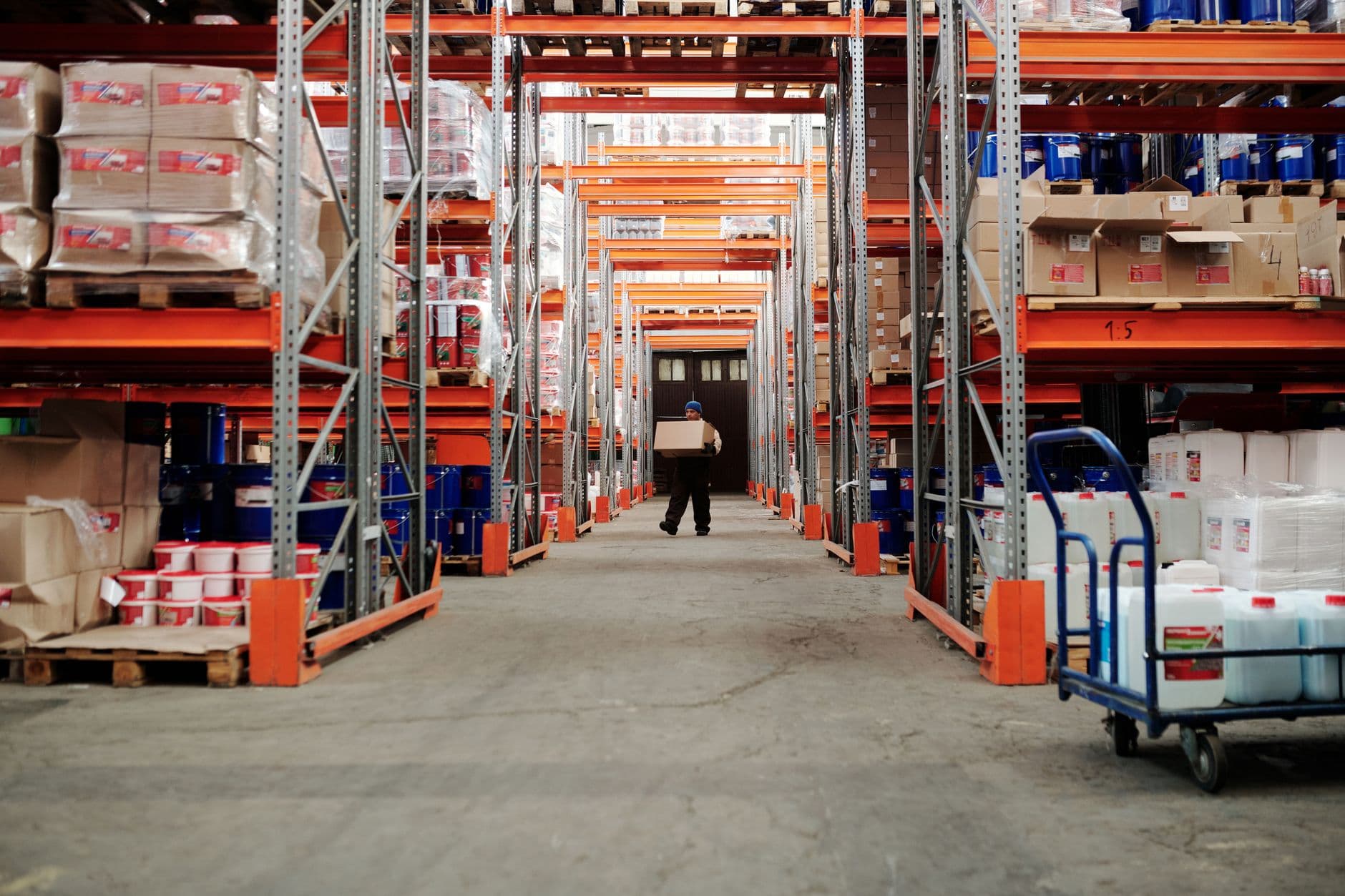
That matters on a Walmart sales floor because the same box may be safe to move once and risky to move 20 times in a row. The equation is meant to force a closer look at the task, not just the product. NIOSH revised the RNLE applications manual in September 2021, but says the essential contents of the equation did not change, which means the core lifting principles still apply to the same old retail tasks.
What safer lifting should look like on the sales floor and in the backroom
NIOSH’s retailer ergonomics booklet is aimed at preventing manual materials handling injuries in grocery stores using mechanical assist devices. That idea translates directly to Walmart work, where stock comes in by the cartload and the pace can make shortcuts tempting. Mechanical help, better staging, and smarter task design are not luxuries when the job involves repeated lifting, carrying, and repositioning.
- Use a cart, dolly, or other assist device whenever one is available.
- Ask for help on loads that are awkward, heavy, or hard to grip.
- Break up repetitive lifting when the task allows it.
- Stop and report a load that feels unsafe instead of forcing a bad lift.
For workers, the safest habits are often the least dramatic ones:
- Share heavy lifts instead of assuming one person can manage them.
- Keep the backroom organized so workers are not twisting around clutter.
- Match the task to the worker’s reach, grip, and pace.
- Treat recurring strain complaints as a sign that the process needs to change.
For supervisors, the obligation is just as practical:
The real lesson for Walmart stores
The gap between “routine” and “risky” is where too many retail injuries start. OSHA’s walking-working-surfaces rule and NIOSH’s lifting guidance both point to the same conclusion: a store stays functional only when the floor is safe, the backroom is orderly, and the lifting plan is realistic. That is not extra caution layered on top of the job. It is part of the job, and it is what keeps a normal shift from becoming a lost workday.
This article was produced by Prism’s automated news system from verified source data, official records, and press releases, then run through automated quality and moderation checks before publishing. The system is built and supervised by the people who set the standards it runs under. Read our full AI policy.
Did this article answer your question?