SNAP restrictions could reshape Walmart grocery sales, analyst warns
SNAP waivers in 23 states could shift Walmart baskets toward approved staples and trigger more checkout confusion as soda, candy and other items drop off.
Walmart stores could feel the first effects of SNAP food restrictions at the front end, where shoppers ask why a product no longer qualifies, switch to another item, or watch a basket change in real time as an EBT transaction runs. With waivers approved in 23 states and roughly one-third of SNAP participants covered, the change is less a policy debate than a store-level reset in what moves, what gets substituted and where customer friction shows up.
The biggest pressure point is basket mix. Numerator estimates the restrictions could cut food and beverage sales by as much as $830 million this year as shoppers either move spending into eligible items or cut back altogether. Soda, candy and other processed foods are the most exposed categories, which matters for Walmart because those items often help drive center-store traffic, promotional volume and add-on purchases tied to tight household budgets.
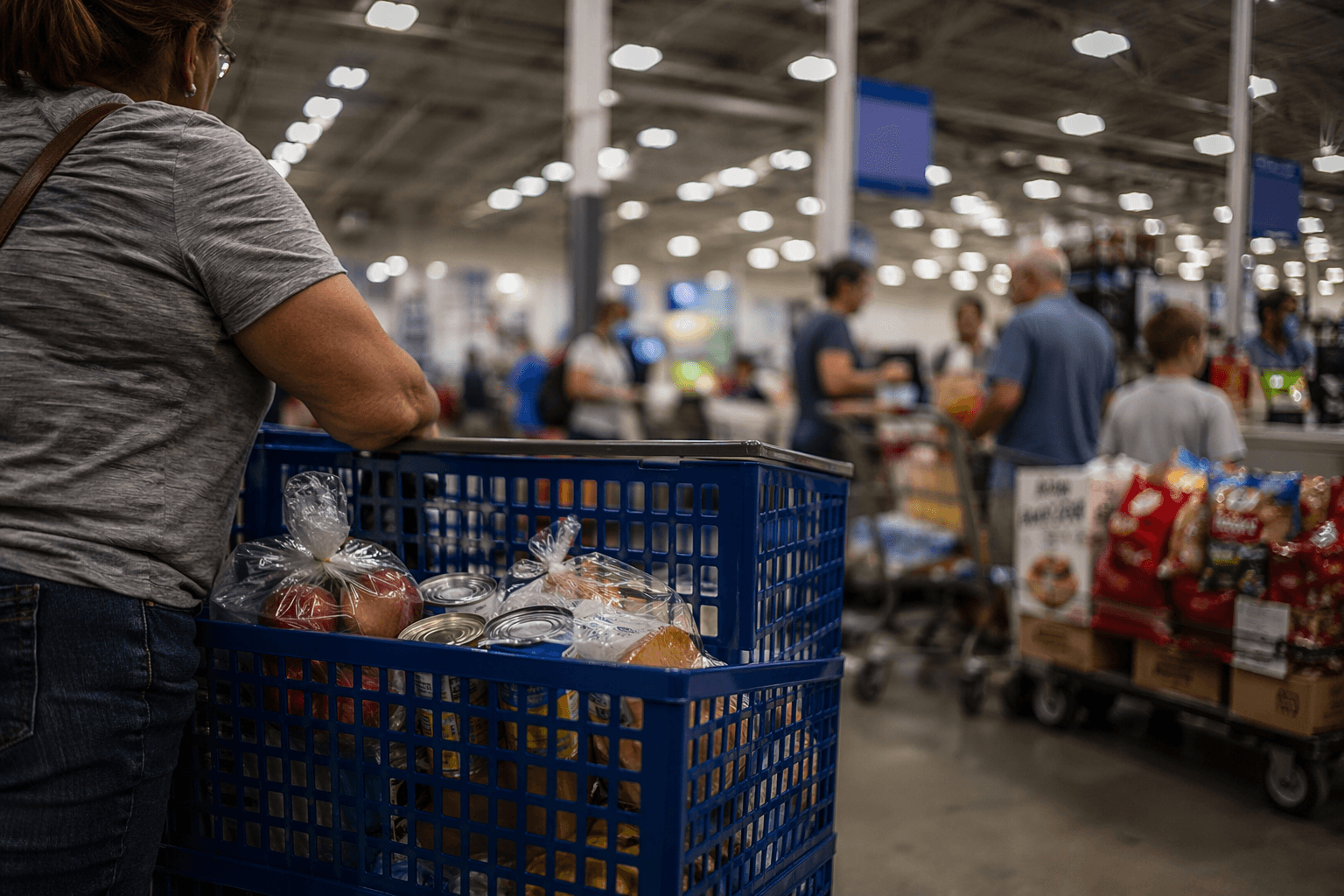
That leaves associates in grocery, consumables, the front end and customer service carrying much of the day-to-day explanation work. Walmart says SNAP eligibility is defined by the U.S. Department of Agriculture and the customer’s state, not by Walmart, even though the company provides tools to help identify eligible items. In practice, that means store teams will be dealing with customers who see online filters, shelf badges or checkout prompts and want a clear answer fast.
The new rules are already moving from theory to store execution. USDA approved Arkansas’s waiver for two years, effective July 1, 2026, and it excludes soda, low- and no-calorie soda, fruit and vegetable drinks with less than 50% natural juice, other unhealthy drinks and candy. USDA also approved six more state waivers in December 2025 for Hawai‘i, Missouri, North Dakota, South Carolina, Virginia and Tennessee, while Virginia’s start date was pushed from April 1, 2026 to Oct. 1, 2026. That patchwork is exactly the kind of variation that complicates retail operations.
For Walmart managers, the likely ripple effects go beyond checkout. Customers shopping with limited budgets often arrive with a narrow mission, so a restricted item can trigger substitution questions, layout changes and sharper attention to which compliant products are on promotion or in stock. Retailers and food makers are already watching how budgets shift when certain items become ineligible, because the real impact will show up in what families put back in the cart, not in federal talking points.
USDA and HHS framed the waivers as part of the Make America Healthy Again initiative, with Brooke L. Rollins and Robert F. Kennedy Jr. backing a push to steer SNAP toward more nutritious choices. Numerator says the states implementing restrictions by the end of 2026 could affect about 7.5 million households, a scale large enough to alter how Walmart sells groceries in the neighborhoods where SNAP dollars matter most.
This article was produced by Prism’s automated news system from verified source data, official records, and press releases, then run through automated quality and moderation checks before publishing. The system is built and supervised by the people who set the standards it runs under. Read our full AI policy.
Know something we missed? Have a correction or additional information?
Submit a Tip