Walmart nears 40% of U.S. grocery e-commerce sales
Walmart is nearing 40% of U.S. grocery e-commerce sales as faster delivery pushes more picking, staging and substitution work onto store associates.
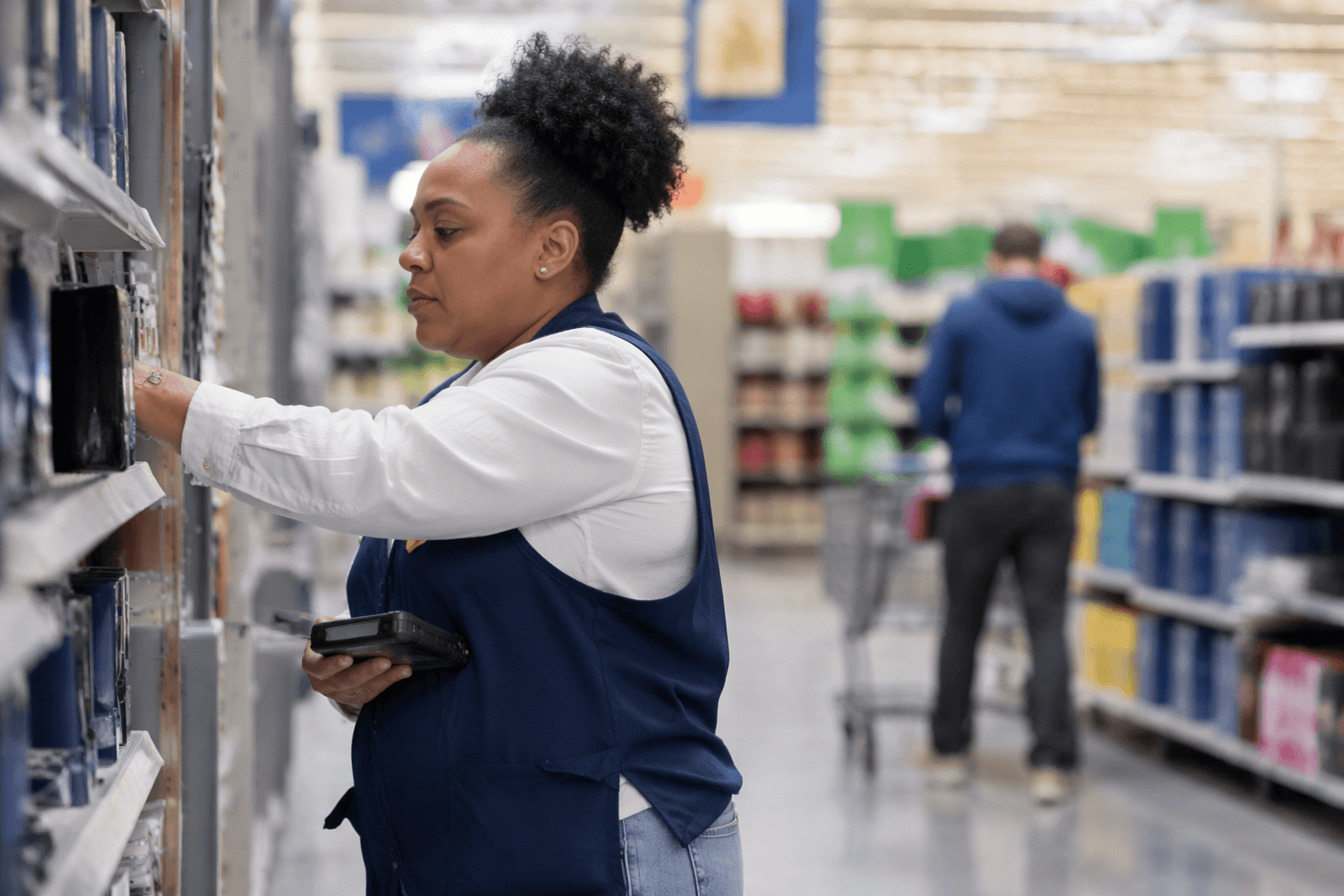
Walmart’s grocery business is being reshaped less by aisle traffic than by clock speed. As the chain moves toward 40% of U.S. grocery e-commerce sales, delivery and ship-to-home are growing nearly three times as fast as pickup, and ultra-fast fulfillment is taking a bigger share of online spending. For store workers, that means the building is no longer just a place to shop. It is also a fulfillment hub where every minute affects picking, staging, substitutions and handoff timing.
The pressure starts with customer promise times. Walmart said store-fulfilled delivery in the U.S. has more than doubled over the past two years, and more than 36% of those orders in the latest quarter were delivered in under three hours. In February 2025, Walmart said same-day delivery reached 93% of U.S. households, and in 2023 it said Express Delivery could get items to customers in as soon as 30 minutes across 4,000 stores. That kind of speed changes the work on the floor: fresh, pantry and other high-velocity departments face tighter pull times, more substitutions, and more coordination between e-commerce teams and in-store departments.

The mix of orders shows why. Ultra-fast fulfillment, meaning delivery in an hour or less, accounted for 18% of delivery orders and 10% of ship-to-home orders in the period cited. Same-day grocery e-commerce orders made up nearly 80% of delivery orders. Walmart’s geospatial delivery system, which uses hexagonal grids and data on slot availability, drive time, store capacity and customer demand, expanded delivery to 12 million more households in April 2025. That puts more store inventory in play, and it increases the consequences when a shelf is empty or a substitute is wrong.
Walmart has also tied the speed push to store operations technology. In June 2025, the company said it was rolling out AI tools for U.S. associates, including task-management software that cut shift-planning time from 90 minutes to 30 in pilot results, plus a real-time translation tool in 44 languages. The pitch is that the software should support associates, but the practical effect is clearer in the store: managers have to pack more fulfillment work into the same labor hours while keeping pickup and delivery accurate.
The business model behind that growth also matters. Walmart uses Spark Driver for last-mile deliveries with independent contractors, which leaves store associates to handle the picking and staging that feed those routes. With Walmart U.S. eCommerce up 26% in the latest quarter and online grocery sales still climbing, the company’s next phase of growth is coming from faster handoffs, tighter workflows and more speed built into the job itself.
This article was produced by Prism’s automated news system from verified source data, official records, and press releases, then run through automated quality and moderation checks before publishing. The system is built and supervised by the people who set the standards it runs under. Read our full AI policy.
Know something we missed? Have a correction or additional information?
Submit a Tip