Target’s $5 billion push raises the stakes for Walmart labor strategy
Target is pouring $5 billion into stores, payroll and training, a sign that front-line labor and execution are now as important as remodels.
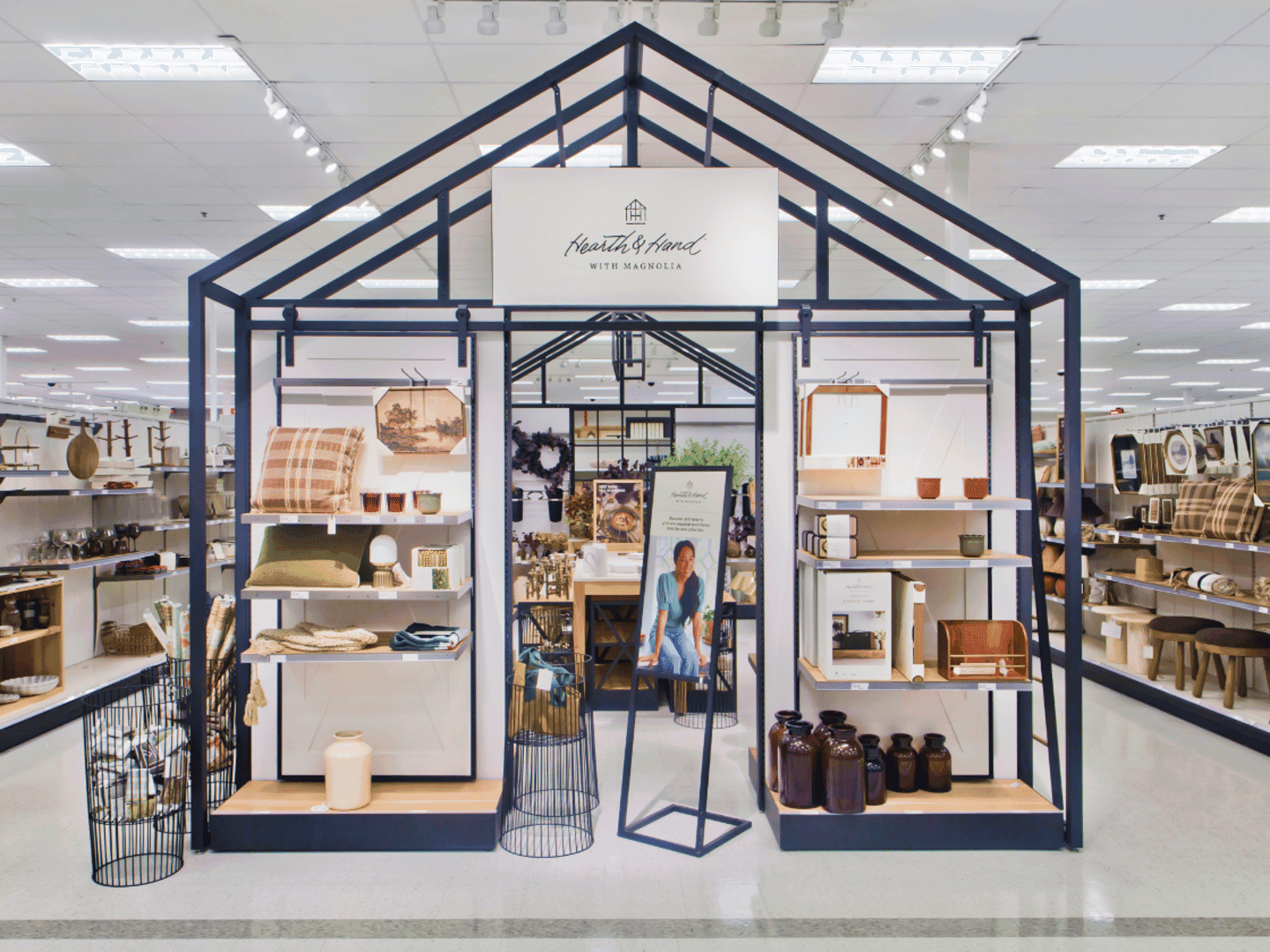
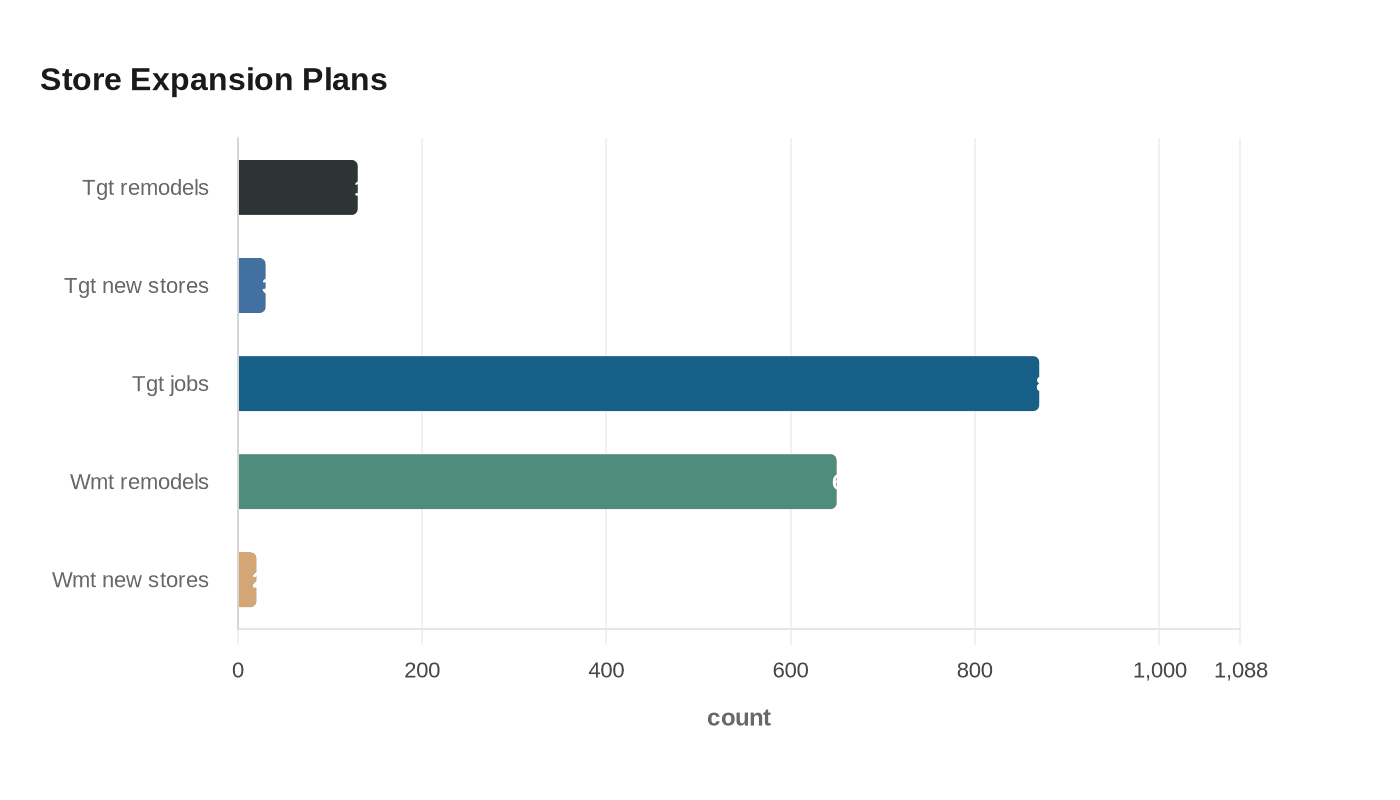
Target’s latest spending plan puts money where Walmart workers feel the competition most: on the sales floor, at the front end and in the backroom. In March, Target said it would lift 2026 capital investment by more than $1 billion to a total of about $5 billion, funding more than 130 store remodels, 30 new stores, technology updates and supply chain improvements. It also said it would add an incremental $1 billion in operating investment, including hundreds of millions of dollars for extra store payroll and training.
That mix matters because Target is not treating store renovation as a cosmetic project. Some locations are getting larger grocery areas, updated checkout zones and redesigns meant to improve traffic flow and order pickup. Target said the plan is meant to make shopping easier, more personalized and faster, with help from technology and AI. For hourly workers and store managers, that usually translates into tighter expectations: cleaner aisles, faster service, fewer bottlenecks at the front end and better execution on pickup orders.
Target also made clear in February that the labor side of the plan was tied to cuts elsewhere. The company said it was eliminating about 500 roles, including roughly 100 at the store district level and about 400 across supply-chain sites, so it could shift resources into more store labor, extra hours where needed most and guest-experience training for every team member. That is the tradeoff retailers are making right now: fewer support layers, more pressure on stores to deliver.
The openings themselves add another layer of pressure. Target said the new stores would create more than 870 jobs, with starting wages from $15 to $24 an hour, plus competitive benefits and no-cost education assistance. That gives Target another lever in the labor market, especially in trade areas where Walmart is already competing for the same workers.
Walmart has been moving on its own store investment campaign, saying in April that it plans more than 650 remodels of Supercenters and Neighborhood Markets and about 20 new store openings in 2026 and early 2027. For Walmart associates, the message is plain: the fight is increasingly about store conditions, staffing, workload and speed. Grocery expansion, digital pickup and front-end service are now central to how both chains measure success, and that means the expectations on workers are rising along with the spending.
This article was produced by Prism’s automated news system from verified source data, official records, and press releases, then run through automated quality and moderation checks before publishing. The system is built and supervised by the people who set the standards it runs under. Read our full AI policy.
Did this article answer your question?