UFCW Escalates Campaign Against Walmart Digital Shelf Labels, Citing Pricing and Job Concerns
UFCW pushed bills in 10 states to ban Walmart's digital shelf labels as roughly 2,300 stores already run them and the chain targets all 5,200 U.S. locations by year's end.
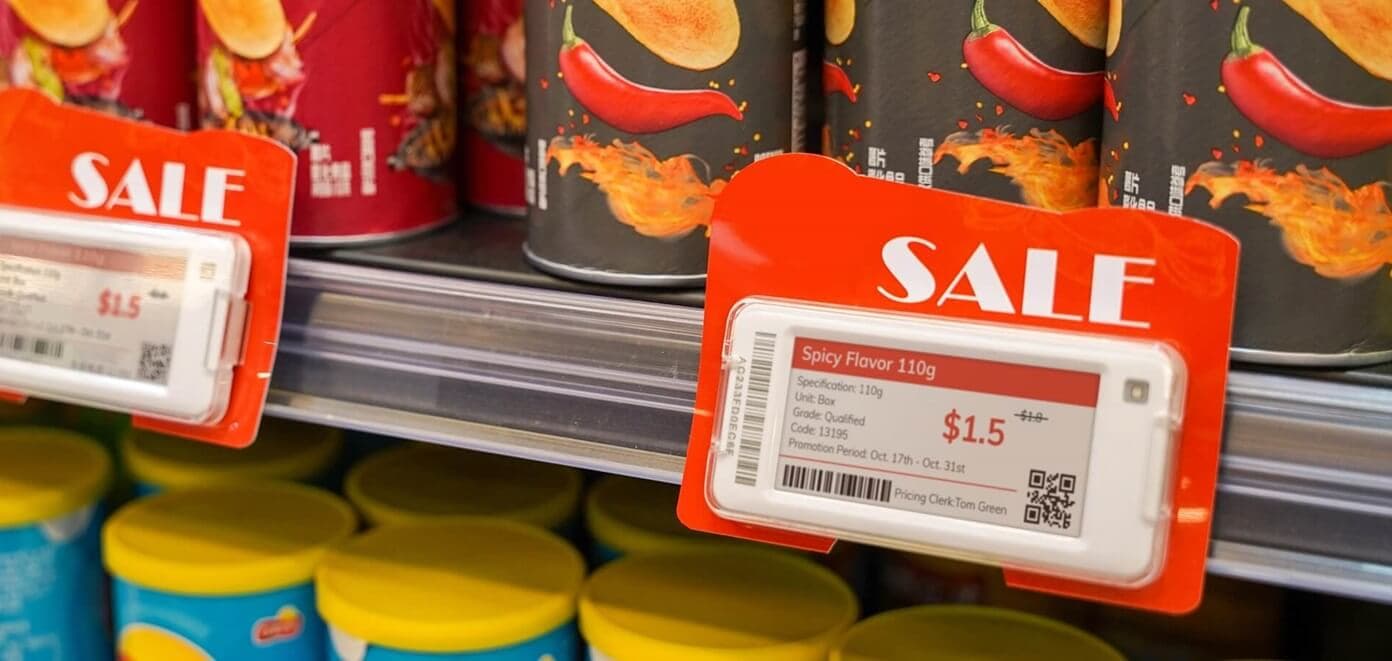
Roughly 2,300 Walmart stores were already running digital shelf labels when the UFCW escalated its campaign on March 23, distributing press materials that amplified a March 6 union statement and pushed lawmakers in multiple states to ban the technology before Walmart finishes its rollout across all 5,200 U.S. locations by the end of 2026.
UFCW International Vice President Ademola Oyefeso has anchored the union's argument in demand-based pricing scenarios, warning that retailers could exploit the technology during high-traffic moments. "With this technology, retailers will be able to hike prices in the shopping rush before a snowstorm or after school lets out," Oyefeso said. The union, which represents 1.2 million workers, drafted model legislation requiring stores larger than 10,000 square feet to maintain paper shelf pricing, and that language has been introduced in Congress and at least ten states, including New York, Illinois, Washington, Oklahoma, Arizona, Nebraska, Maryland and Tennessee.
Walmart has offered a direct counter. A company spokeswoman described DSLs as "just a modern tool to help our associates do their jobs better, but the price you see is the same for everyone in any given store." The company also confirmed the system runs on a closed network with no interaction with shoppers and no collection of customer data.
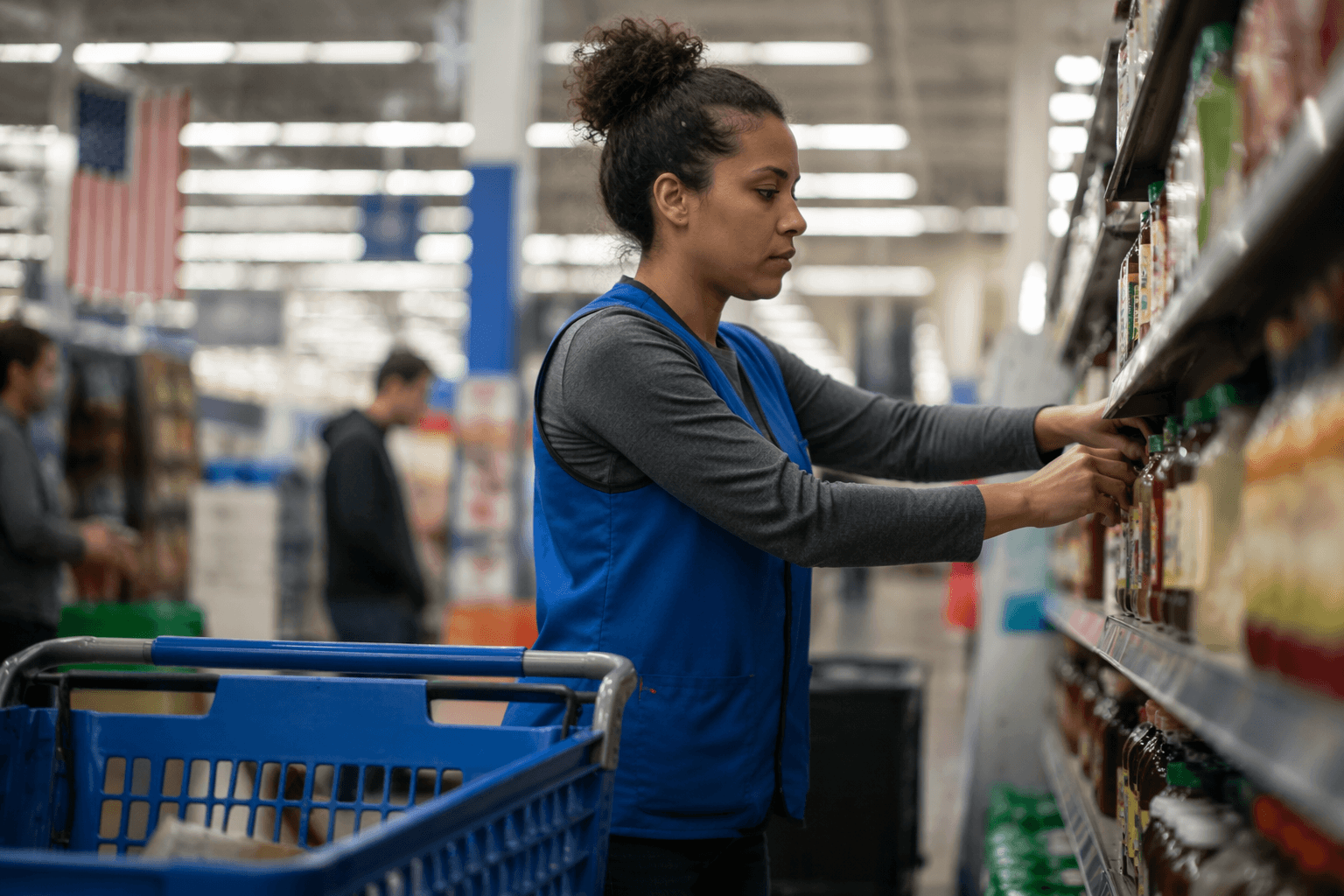
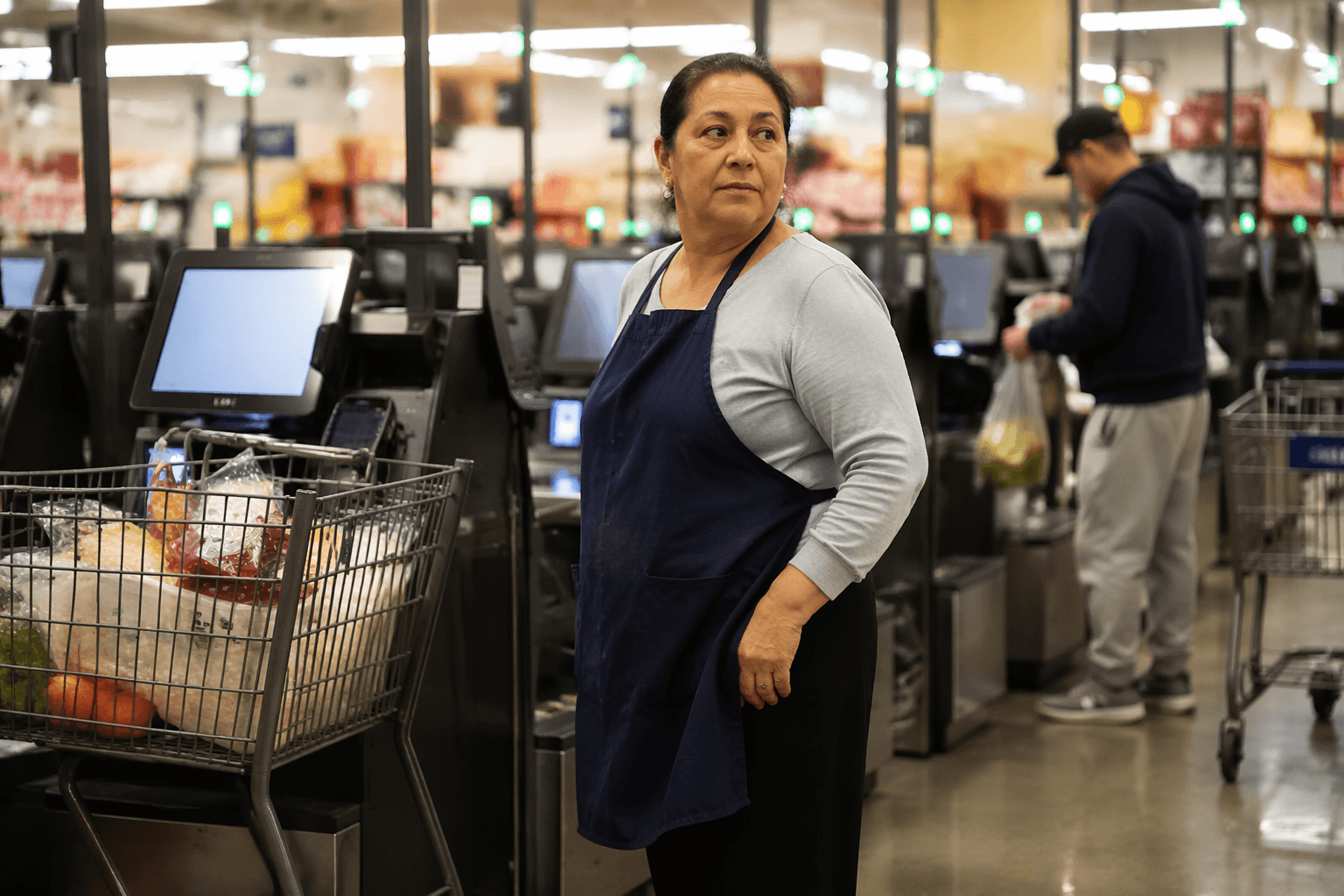
For associates, the most tangible change is in the pricing workload. Walmart stores carry more than 120,000 products, and every week those shelves require thousands of updates for new items, Rollbacks and markdowns. Amanda Bailey, an electronics team leader at the Walmart in West Chester, Ohio, said DSLs had freed up roughly three-quarters of the hours she previously spent on price updates. That recovered time, the company says, moves toward stocking, customer service and online order fulfillment. The system's pick-to-light feature, which activates LEDs on shelf labels to guide associates during pickup order fulfillment, is one direct extension of that shift.
When a label displays the wrong price, the fix is digital but the escalation path stays the same: flag the discrepancy to a department manager, record the item, location, time, shelf price and register price, and avoid informal resolutions. Managers overseeing pilot departments should log price exceptions and coordinate with their district or market pricing contact to build an audit trail that protects the store if external scrutiny follows. Under scanner laws enforced in most states, customers are entitled to the lower price whenever a shelf tag and register don't agree, and associates can resolve those disputes at the service desk while the correct price updates remotely.
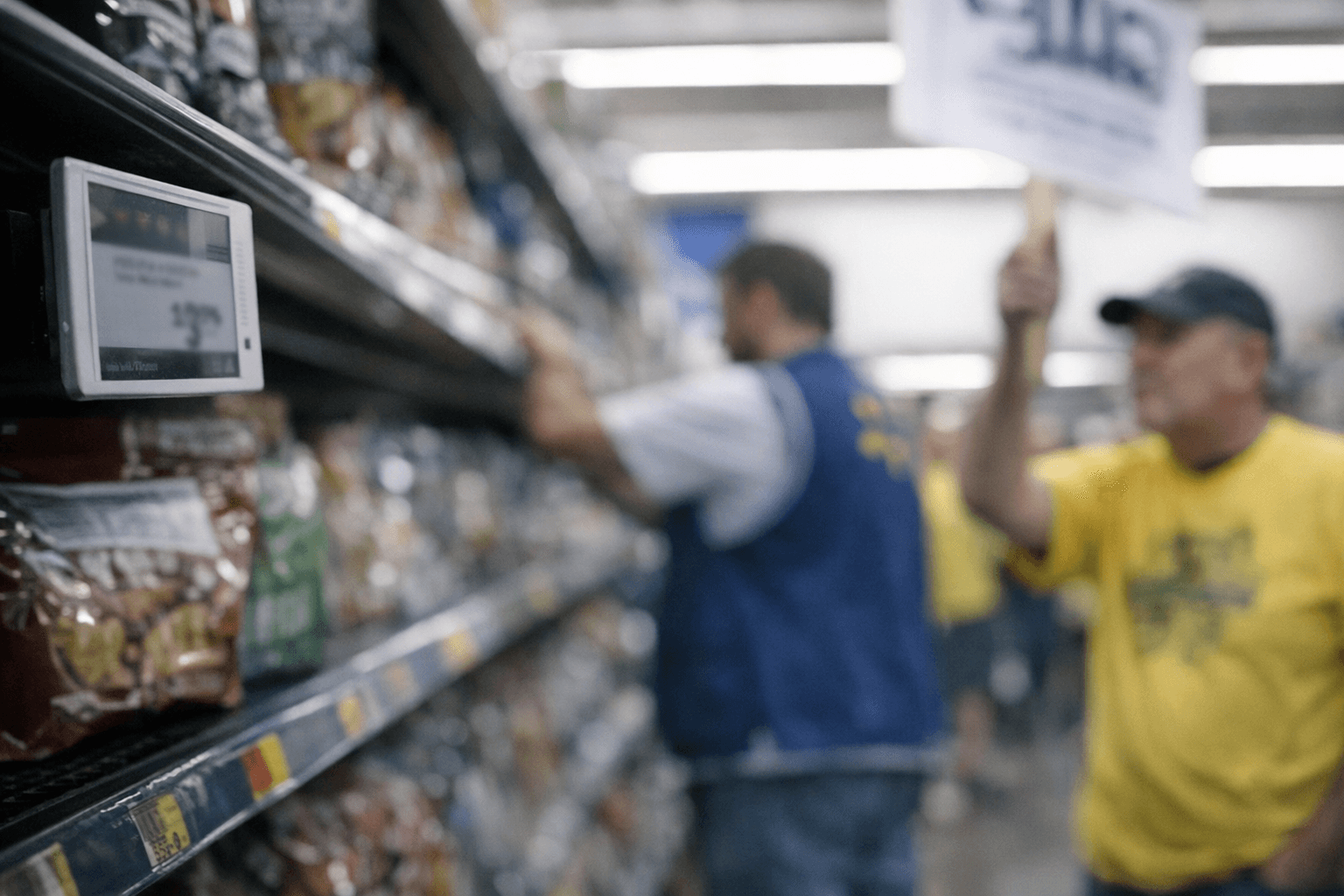
Customer skepticism has followed the rollout. The questions that surface most often break down simply: prices are uniform and not personalized; the system does not track individual shoppers; discrepancies between shelf and register are handled in the customer's favor; and price changes are pushed system-wide rather than applied store by store.
The National Retail Federation pushed back on the union's legislative strategy, with NRF Vice President of Government Relations Mercy Beehler pointing to existing antitrust and price gouging protections in more than 40 states and territories. "These aren't theoretical, they're enforced. Retailers comply with this framework every single day," Beehler wrote.
With the UFCW pledging continued digital outreach to sustain legislative pressure and Walmart targeting chainwide completion by December 2026, the next several months will determine whether the technology's full deployment arrives ahead of, or runs directly into, the policy response.
This article was produced by Prism’s automated news system from verified source data, official records, and press releases, then run through automated quality and moderation checks before publishing. The system is built and supervised by the people who set the standards it runs under. Read our full AI policy.
Did this article answer your question?