U.S. GDP revised higher, but consumer spending nearly stalled
Consumer spending barely moved even as first-quarter GDP was revised up to 2.1%, a sign Walmart stores may see tougher mix and tighter labor planning.

U.S. economic growth was revised higher, but the consumer side of the ledger barely budged, leaving retailers with a sharper read on how cautious households still are. The Bureau of Economic Analysis put first-quarter 2026 real GDP at a 2.1% annual rate, up 0.5 percentage point from its second estimate, while also saying the revision was driven mainly by a downward adjustment to imports and partly offset by a downward revision to consumer spending.
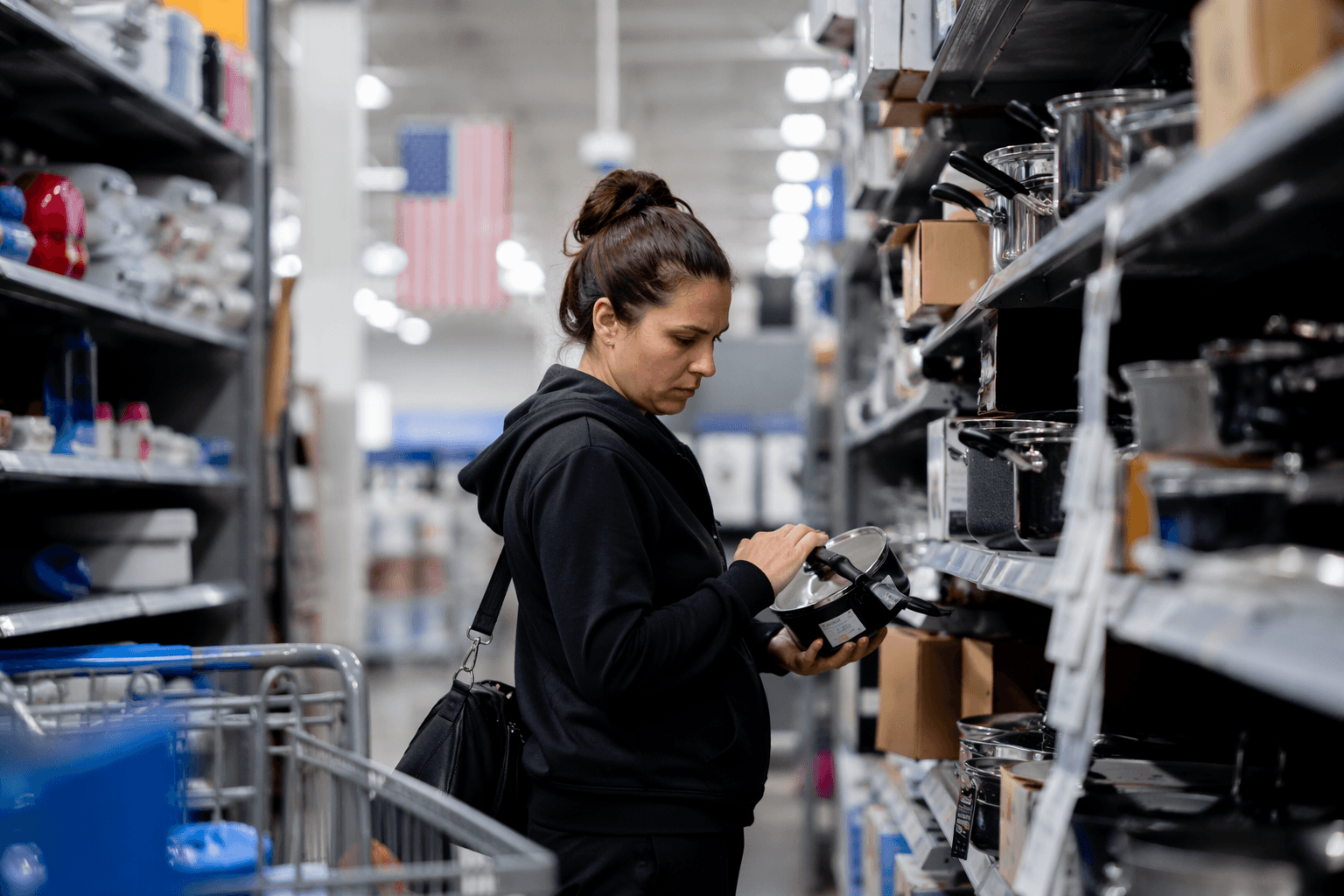
That matters on Walmart’s sales floor because the chain tends to feel changes in household behavior before they show up in broader economic talk. If spending is flattening, stores usually see shoppers stay focused on groceries, health and wellness, and other essentials while getting more selective in general merchandise and impulse categories. For hourly associates, that can mean steadier traffic in staples and value aisles, but less lift in discretionary departments. For department and assistant managers, the pressure shifts to execution: keeping shelves full, catching price changes quickly, and avoiding bad substitutions at pickup when customers are comparing baskets across retailers.
The BEA’s underlying demand measure also pointed to a mixed picture. Real final sales to private domestic purchasers, which strips out inventory swings and trade, rose 2.5% in the quarter. That suggests the economy was still supported by domestic demand even as consumer spending itself came in softer than earlier estimates had suggested.
Walmart’s own numbers show why the company remains a useful read on that kind of spending pattern. In its fiscal first-quarter 2026 results, Walmart said U.S. comparable sales rose 4.5%, led by grocery and health and wellness, with the fourth consecutive quarter of positive general merchandise sales. Global eCommerce sales grew 22% in the quarter, giving stores and fulfillment teams another sign that more customers are splitting trips between the aisle and the app.
Walmart said about 270 million customers and members visit its stores and websites each week, and the company operates more than 10,750 stores in 19 countries with about 2.1 million associates worldwide. In its 2026 annual report, John Furner’s first letter to shareholders and associates stressed investments in associates and AI-powered solutions, a signal that Walmart is tying labor planning and customer service more closely to value shopping and operating speed. In practical terms, that leaves store teams watching not just traffic, but which departments are carrying it.
This article was produced by Prism’s automated news system from verified source data, official records, and press releases, then run through automated quality and moderation checks before publishing. The system is built and supervised by the people who set the standards it runs under. Read our full AI policy.
Did this article answer your question?