U.S. jobless claims rise slightly, keeping labor market resilient
Jobless claims ticked up to 229,000, but the bigger signal for Walmart is a labor market still tight enough to pressure staffing, pay and schedules.
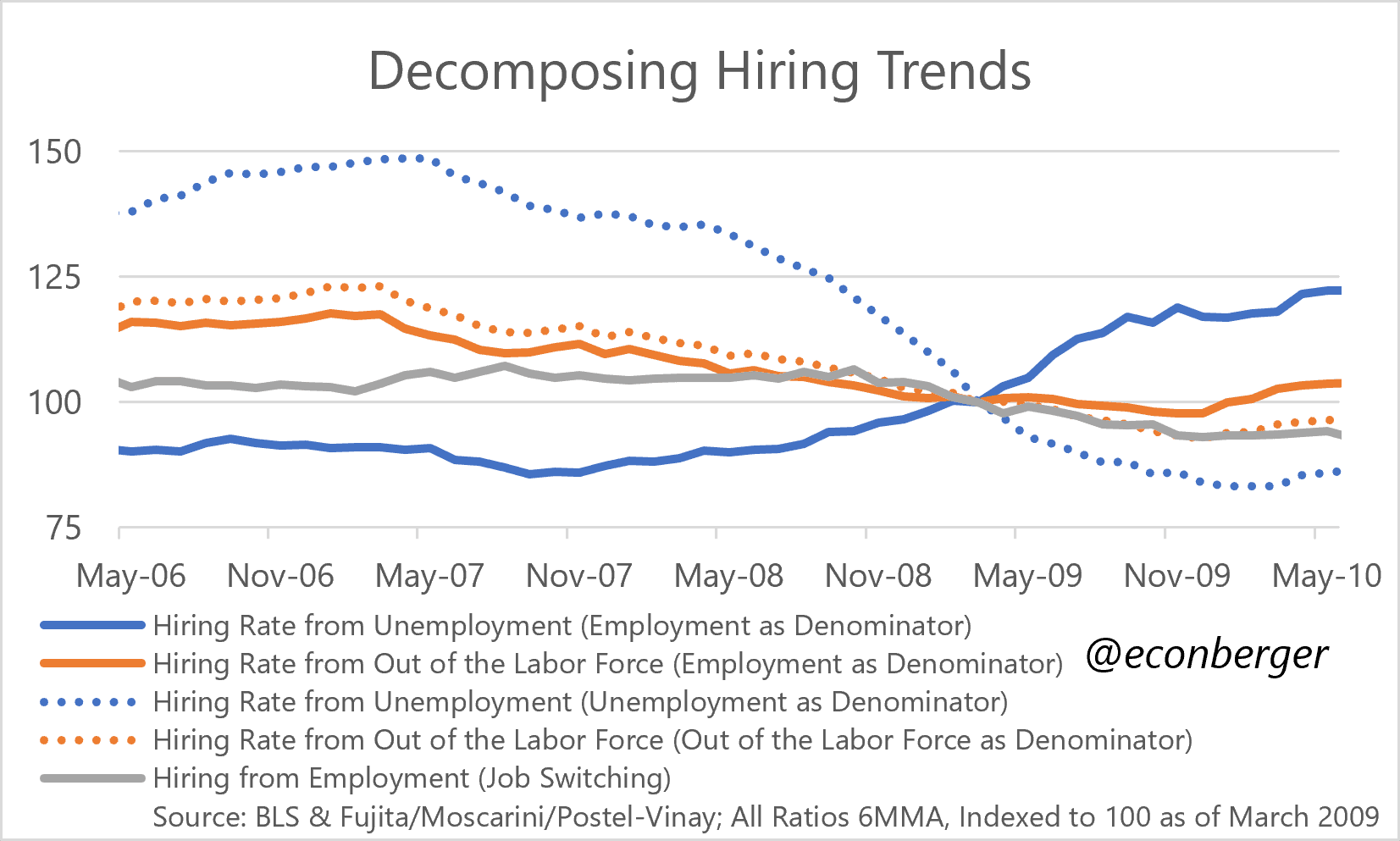
America’s jobless claims rose only slightly in early June, a move that still left the labor market looking stubbornly resilient. The Labor Department said initial claims increased by 4,000 to 229,000 for the week ended June 6, while the median duration of unemployment climbed to 11.6 weeks, the longest since November 2021. For Walmart managers and hourly associates, that mix matters: hiring competition has not gone away, even if more workers are taking longer to land a new job.
The report carried a seasonal wrinkle that can blur the picture at the start of summer. Some states allow non-teaching staff to file for unemployment during long school holidays, which can push claims higher without signaling a broad downturn. Even so, the underlying readings still pointed to a labor market that had not cracked. The unadjusted advance number of initial claims was 228,276, the four-week moving average rose to 219,000, and continuing claims climbed to 1.795 million for the week ending May 30, a sign that unemployed workers were spending more time on the sidelines.

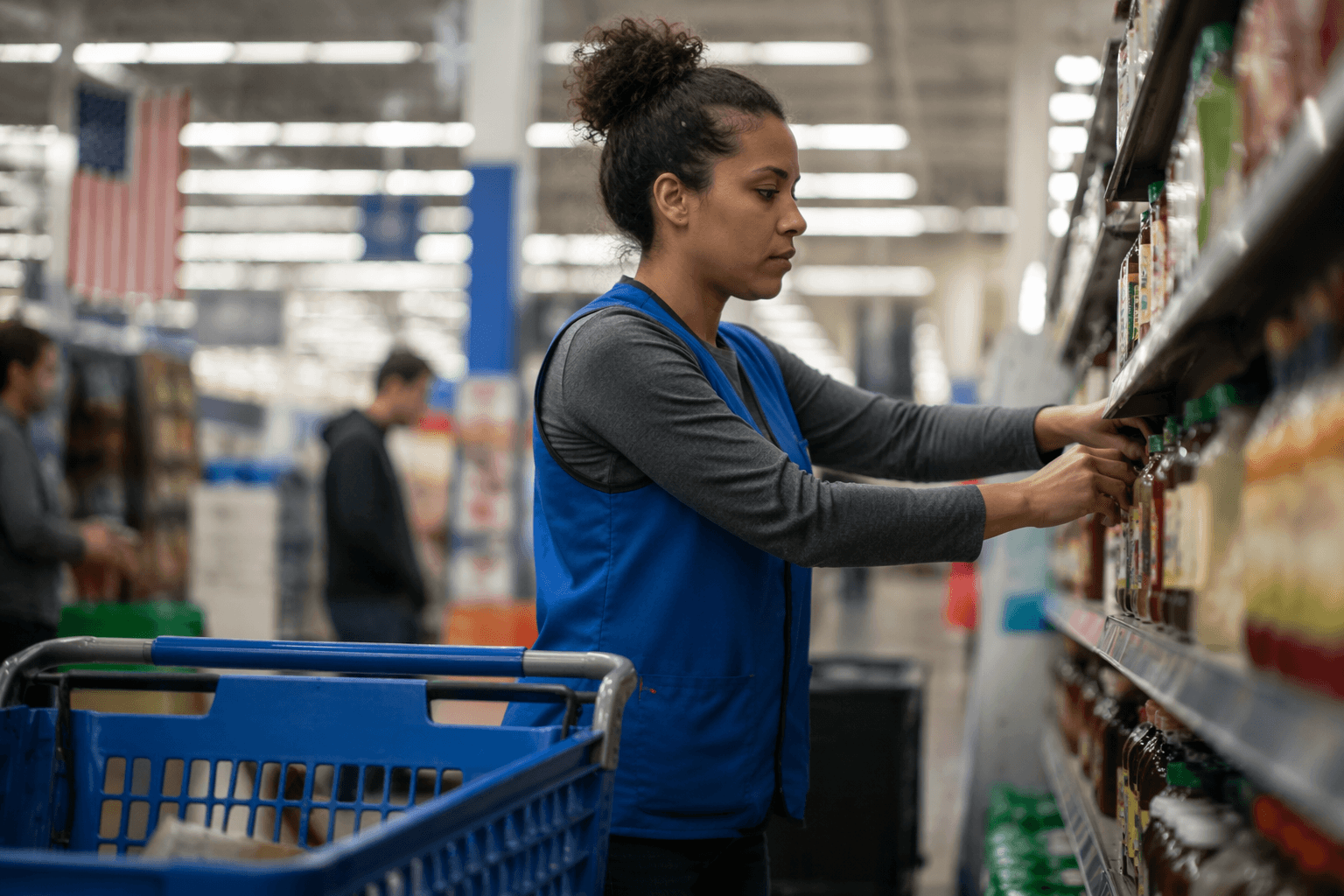
That backdrop matters inside Walmart stores, clubs and distribution centers. Walmart said in its 2026 annual report that it employed about 2.1 million associates worldwide, including about 1.6 million in the United States, which gives it enormous exposure to shifts in hourly labor supply and demand. When claims stay relatively low, employers usually have to work harder to recruit, retain and schedule workers, and that can shape how aggressively stores compete on pay, how fast open shifts get filled and how much flexibility managers can offer without risking turnover.
The broader labor data from May reinforced that picture. Nonfarm payrolls rose by 172,000 and the unemployment rate held at 4.3%, a level that suggests the job market remained stable even as some measures softened. For Walmart associates, that stability can mean more outside options when looking for better shifts or higher pay. For store leadership, it means the company has to keep balancing labor costs with the need to hold onto experienced workers who know how to keep shelves stocked, online orders moving and the front end covered.
Walmart has already shown it is watching that balance closely. Reuters reported in May that the company cut about 1,000 roles as it simplified its operating structure, even as it continued emphasizing investments in associates and AI-powered tools under CEO John Furner. The message for hourly workers is plain: a labor market that is still resilient gives them more leverage, and it keeps pressure on Walmart to make schedules, pay and advancement pathways competitive enough to keep good people from walking out the door.
This article was produced by Prism’s automated news system from verified source data, official records, and press releases, then run through automated quality and moderation checks before publishing. The system is built and supervised by the people who set the standards it runs under. Read our full AI policy.
Did this article answer your question?