Viral TikTok Claims Walmart Items Scan Higher Than Shelf Prices
A viral TikTok claiming Walmart checkout prices exceed shelf labels sparked fresh outrage, echoing a documented pattern that led North Carolina to fine 19 Walmart stores for price-scanning errors.
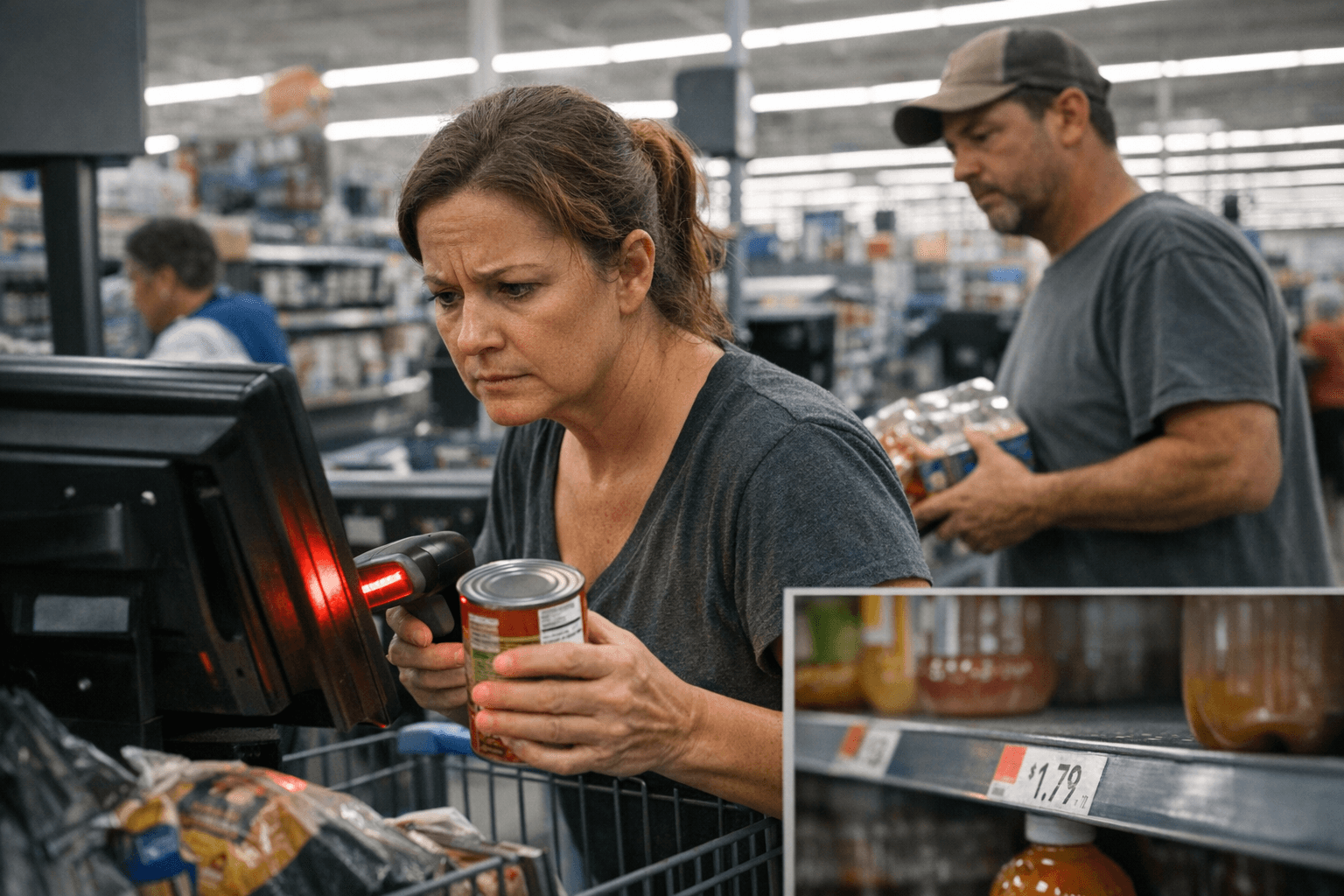
A TikTok video claiming Walmart registers charge more than the shelf label shows has touched a nerve among shoppers and associates alike, generating hundreds of thousands of views and comments from people describing the same experience at their own local stores. The intensity of the reaction is not surprising given regulatory history: over a dozen Walmart stores in North Carolina were fined by the state for charging the wrong prices.
Among the most detailed TikTok accounts of this problem came from creator @brennasbakery, who posted a video on July 29 accumulating 320,000 views. In it, she described checking the price of Wilton chocolates on Walmart's website, finding them listed at $2.62, and then watching a cashier ring them up for more at checkout. "Walmart is scamming people," she said in the clip. "They're jacking up their prices. They're ripping you off. I don't know how this isn't a lawsuit yet." On August 3, North Carolina fined 61 stores for price-scanning errors after they were found to overcharge at checkout, including 19 Walmart stores, 27 Dollar General stores, six Family Dollar stores, and two Target stores.
The mechanics behind why these mismatches occur are not mysterious. Walmart stores carry tens of thousands of items with thousands of weekly price updates from new inventory rollbacks and markdowns, which can take hours or even days to complete manually. When the point-of-sale system updates a price before an associate physically changes the paper shelf tag, shoppers see one number on the label and pay another at the register. Clearance pricing gets updated online before physical price tags are changed, meaning a scan of the Walmart app barcode may reveal a lower price than the shelf, because digital systems update immediately while paper does not. One shopper told Newsweek the whole pattern is deliberate exploitation of inattention: "Walmart and big corporations know that no person, specifically individuals and parents who are doing large grocery trips, have kids, are busy, etc., are going to track the price of each item at checkout to compare it to what it was at the shelf."
Viewers responding to these videos were infuriated. "This happens every time I go to Walmart," said one commenter. "Take photos of everything when you are getting your items!" Another said, "This has happened to me three times already. I think it's on purpose and they think people won't catch it."
Walmart's structural answer to the paper-tag lag is a nationwide rollout of digital shelf labels, known as DSLs. Walmart has officially rolled out digital price tags across its U.S. stores, with a full rollout expected by the end of 2026. Amanda Bailey, a team leader in electronics at a Walmart in West Chester, Ohio, estimates the DSLs have cut the time she used to spend on pricing duties by 75%, freeing her to help customers. A Walmart spokeswoman confirmed the scale of what manual tagging required: "What once took multiple associates days to complete can now be done in minutes."
Until digital labels reach every aisle, the most reliable protection remains a two-step check: photograph the shelf label before placing an item in the cart, then compare that image against each line on the receipt before leaving the store. At self-checkout bays, the screen displays each scanned price in real time, providing a running comparison that cashier-run lanes do not always allow. When a discrepancy appears, the correction runs through the customer service desk, where a manager can adjust the transaction to match the posted shelf price. The receipt is the only document that can substantiate the dispute after leaving the store, making it worth reviewing before the parking lot.
Walmart has settled several pricing-related cases. In one, it agreed to pay $5.6 million to resolve false advertising and unfair competition claims brought by the District Attorney's Office of Santa Clara, California. The DSL rollout may eventually close the gap between what a label promises and what a register charges. Until then, a receipt glanced at by the door is worth considerably more than one crumpled in a shopping bag.
Know something we missed? Have a correction or additional information?
Submit a Tip