Walmart Sued Over Disability Accommodation Failures Tied to Sedgwick Leave Process
A state court complaint filed April 7 accuses Walmart of leaving an associate on unpaid leave after their disability accommodation request stalled at Sedgwick, the company's third-party leave vendor.
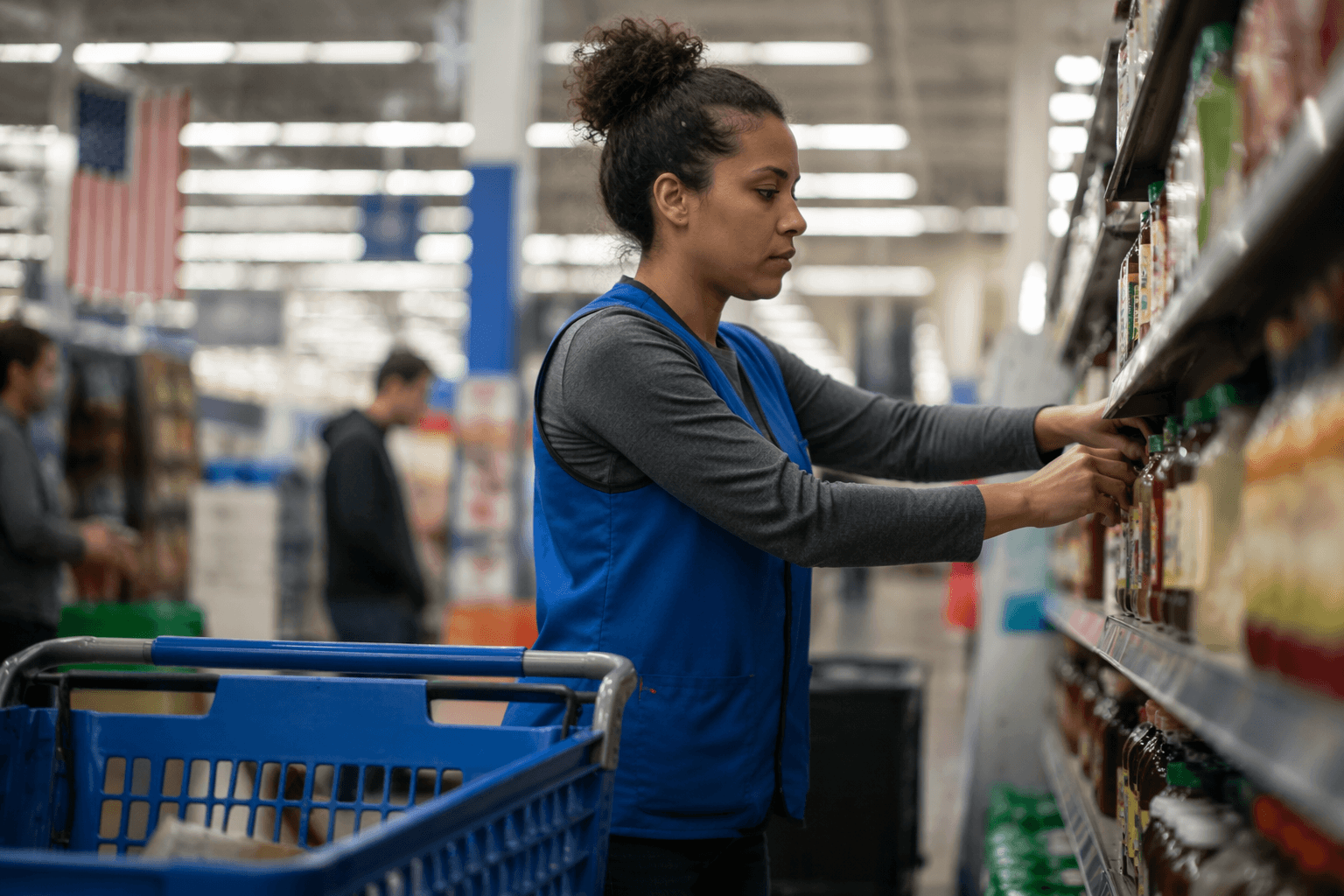
The sequence that landed Walmart in court started with something routine: an associate logging into an employee portal to report a medical absence. What happened after that portal submission, according to a state court complaint filed April 7, 2026, is the center of a disability discrimination lawsuit that puts a spotlight on how Walmart's leave-and-accommodation pipeline can break down at the handoff between the company and Sedgwick, its third-party vendor.
The complaint names Walmart through a corporate operating entity identified in the filing as Walmart Associates, Inc. It alleges that after the associate reported absences through the portal and was directed to Sedgwick, the accommodation process stalled. The result, according to the filing, was that the worker ended up on unpaid leave, without a timely reasonable accommodation and without the back-and-forth the law requires. The complaint seeks reinstatement or additional leave, back pay, and damages.
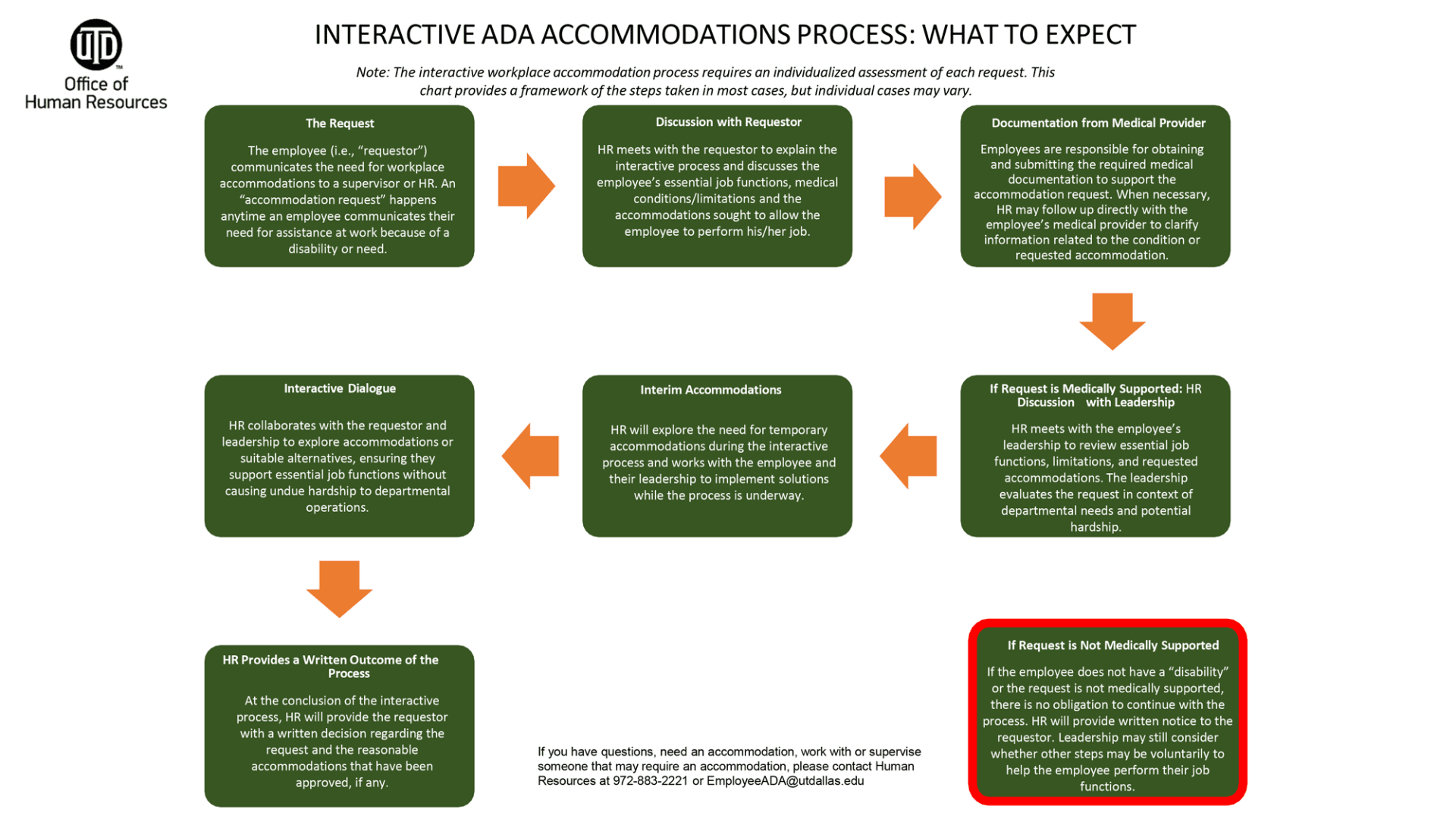
At the legal core is the "interactive process," a requirement under federal disability-access law that employers actively engage with a worker to identify workable accommodations rather than simply routing paperwork through a vendor and waiting. The complaint alleges that Walmart, through either its own policies or Sedgwick's administration of them, failed to fulfill that obligation.
The pipeline, when it works, moves in a defined sequence. An associate reports an absence through Walmart's internal portal or contacts Sedgwick through the mySedgwick platform. Sedgwick opens a claim, collects medical certification, and coordinates with store management and People Services to determine what leave type applies and whether accommodations are needed. If an accommodation is part of the picture, the interactive process is supposed to involve the associate, Sedgwick, and store management together identifying an option that allows the worker to return or stay on the job. Walmart's own hourly LOA guide notes that missing or delayed certification forms are the most common cause of denied leaves, which makes the timing of each handoff consequential.

The complaint describes the associate taking multiple steps, including portal reports, direct communications with store management, and follow-up with Sedgwick, before arriving at what the filing characterizes as a stalled or denied return-to-work. That pattern points to the specific gap the suit targets: the moment when a case sits assigned but unresolved between Sedgwick's case management system and a store's People Lead.
For any associate currently navigating a similar process, the litigation reinforces specific documentation practices. Every portal submission should be screenshotted with a timestamp. Every Sedgwick contact should generate a case number that gets recorded. Any conversation with a store People Lead about leave or accommodation should be followed immediately with a request for written confirmation of what was discussed and what the next step is. If a request moves slowly or a denial arrives without explanation, the escalation path runs through OneWalmart, People Services, and if necessary an employment law resource. Acceptable response timelines are another benchmark worth tracking: knowing when a certification deadline falls, and following up before it passes rather than after, is the difference between an open claim and a denied one.
The case is still in its earliest stage. Once Walmart files a response, discovery could pull in Sedgwick's internal case notes, store absence logs, and the full chain of communications between store management and corporate People teams. That record, if it surfaces, would show precisely where in the four-step path from portal report to return-to-work the process broke down.
This article was produced by Prism’s automated news system from verified source data, official records, and press releases, then run through automated quality and moderation checks before publishing. The system is built and supervised by the people who set the standards it runs under. Read our full AI policy.
Did this article answer your question?