Walmart adds Arabic signage in Dearborn stores to serve local shoppers
Arabic aisle signs are appearing at Walmart and other chains in Dearborn, where more than 54% of residents are Middle Eastern and North African. The change is meant to make day-to-day service easier in a multilingual market.
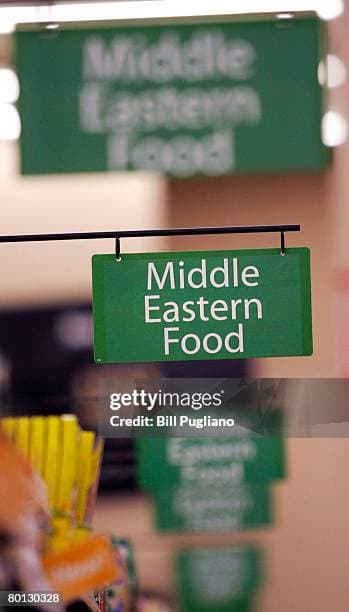
Walmart is adding Arabic-language signage in Dearborn stores as the retailer adapts to a customer base in one of Metro Detroit’s most Arabic-speaking markets. Home Depot, Costco, Kroger and Albertsons have also introduced Arabic signs in the city, where more than 54% of residents are Middle Eastern and North African, according to the census data cited in the notes.
Dearborn sits in Wayne County, about 7 miles west of downtown Detroit, and its retail corridors have long reflected the city’s Arab-American population. For store operations, that means basic wayfinding, department labels and checkout interactions can carry more weight than they do in a typical suburban location. Arabic signage gives shoppers a clearer path through the store and can cut down on routine questions that would otherwise land on cashiers, stockers and floor associates during busy shifts.
The move also fits the way national chains have responded to Dearborn’s customer mix. Walmart’s decision sits alongside similar changes at other major retailers, showing how chains are adjusting store presentation to a local market rather than relying on one-size-fits-all English signage. In practical terms, that can make it easier for front-line workers to direct customers to the right aisle, explain promotions and keep traffic moving when a store serves a large Arabic-speaking base.
Dearborn’s retail environment has also been shaped by workplace tensions that drew attention inside and outside Walmart. In October 2021, a lawsuit filed by Seenaa Suhail Najim alleged that a Dearborn Walmart manager repeatedly harassed an Arab employee. The complaint said the manager told her, “Go to your home country.” That case underscored how language, identity and customer service have intersected in the city’s stores, where the daily experience of associates can be affected by both local demographics and the way a company handles its own workforce.
The signage changes now underway suggest retailers are making a visible adjustment to serve Dearborn shoppers more directly. For hourly workers on the sales floor, the clearest payoff is simpler service: fewer translation hurdles, quicker directions and a store layout that matches the language many customers use at home.
This article was produced by Prism’s automated news system from verified source data, official records, and press releases, then run through automated quality and moderation checks before publishing. The system is built and supervised by the people who set the standards it runs under. Read our full AI policy.
Did this article answer your question?