Walmart labor campaign spotlights pay, schedules and workplace concerns
UFCW Local 324’s Walmart page zeros in on pay, hours, staffing and store conditions, and gives workers a direct line for organizing help.
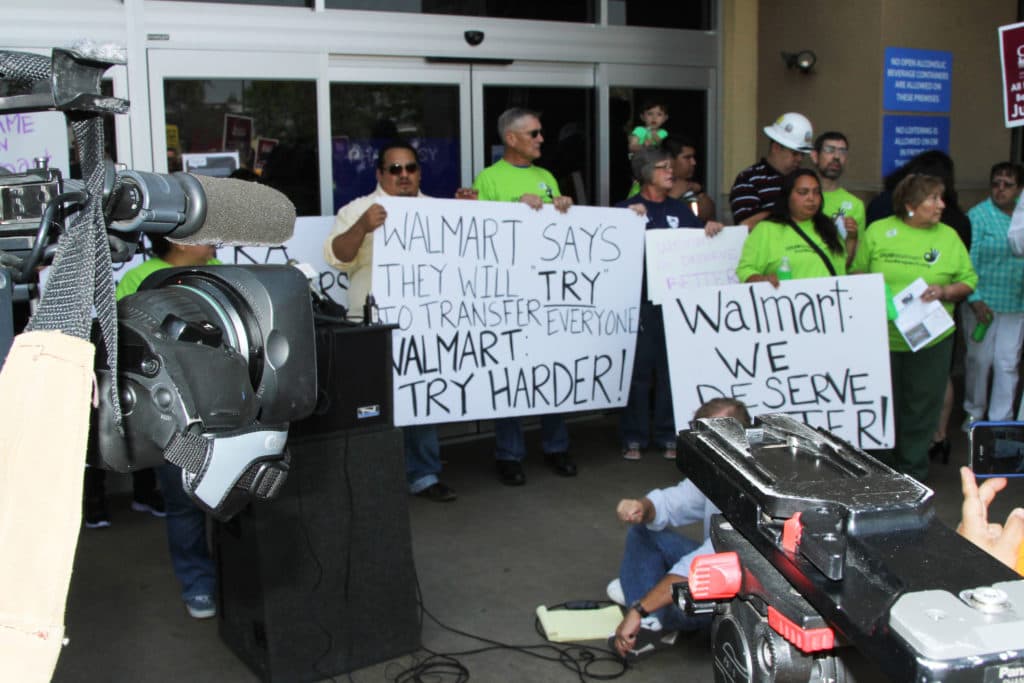
UCFW Local 324’s Walmart organizing page is less about abstract union politics than the problems that shape a shift: pay, scheduling, staffing and store conditions. The local even lists a phone number, 714-686-5478, for workers seeking help, and says its organizers know the anti-union tactics retail workers tend to run into.
What the page is actually telling Walmart workers
For hourly associates, the value of a campaign page like this is that it shows which complaints organizers think are resonating on the floor. The page points to the same pressure points workers talk about most often: whether hours are stable, whether schedules are predictable, whether the workload is manageable and whether management will hear concerns without retaliation. Even if you do not support unionization, that framing is useful because it maps the real conversations employees are likely to have in Open Door meetings, surveys and store-level one-on-ones.
UFCW Local 324 is based in Buena Park, California, and its leadership pages identify Joline Cruz as field director and Mike Ramirez as secretary-treasurer. A UFCW 324 Facebook post narrows the local’s focus even further, naming low pay, chronic understaffing and poor scheduling as the issues it is trying to address. That combination matters because it shows the campaign is built around day-to-day operations, not just a labor slogan.
The workplace issues driving the campaign
The page uses worker stories, public demands and fairness arguments to build pressure for change. The practical themes are the ones that hit associates first: enough hours to pay the bills, schedules that do not change at the last minute, staffing levels that do not leave one person covering too much floor, and wages that line up with the pace of the job. Those are the issues that can affect discipline, overtime, morale and whether a shift feels workable or chaotic.
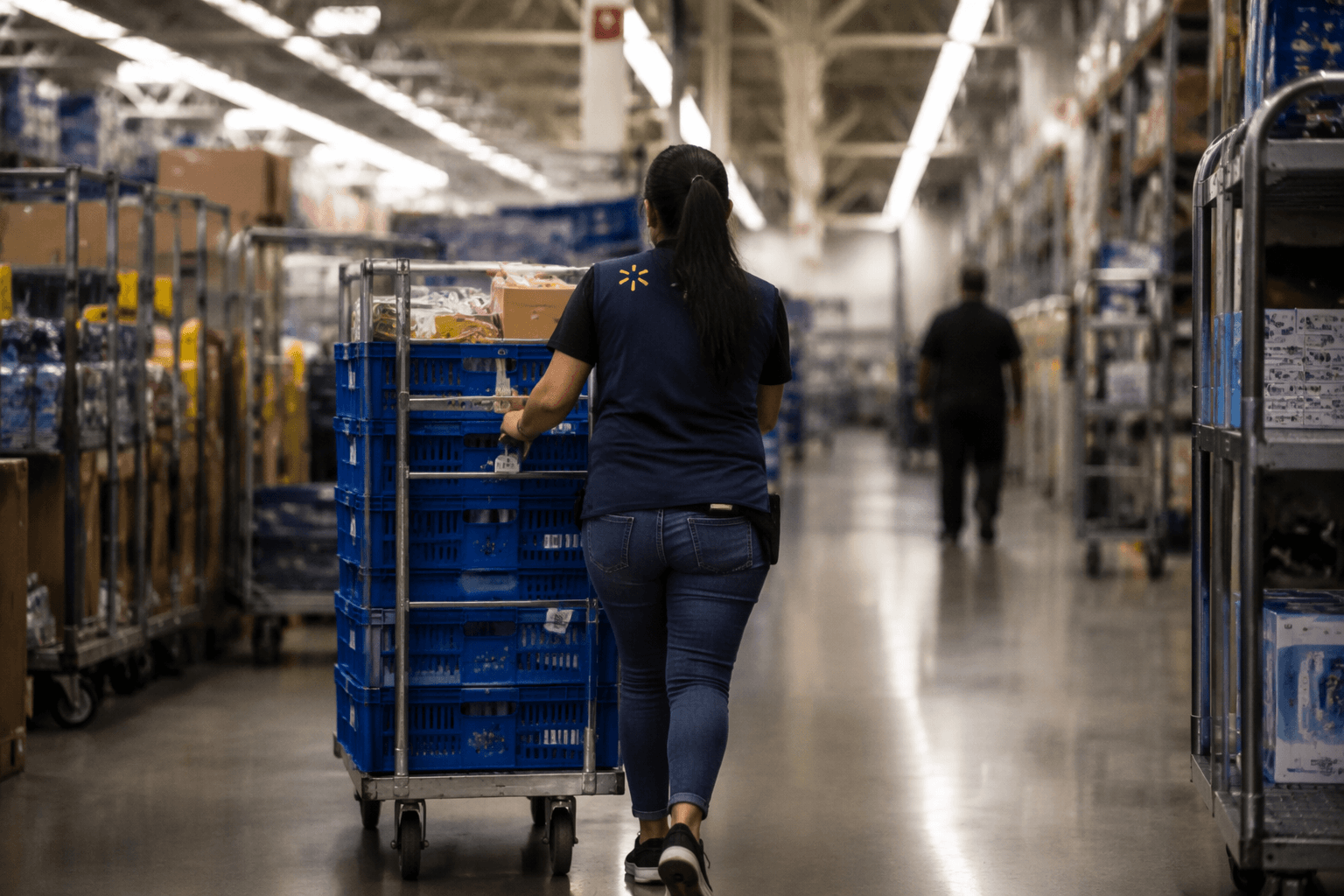
That is also why the campaign language is a useful read for department managers and assistant managers. It shows what people are likely to bring up when they are frustrated, whether the issue is being short on help, not getting enough hours or feeling like the store runs on constant scramble. In a company as large as Walmart, even a policy adjustment that seems small on paper can affect a huge number of associates, which is why organizers keep returning to the same concrete complaints.
How this fits Walmart’s recent pay moves
The campaign page lands against a backdrop of pay changes that do not resolve the underlying scheduling and staffing debate. Reuters reported on Jan. 24, 2023, that Walmart raised its U.S. minimum wage to $14 an hour and lifted its average hourly wage to $17.50 from $17. Reuters also reported on Jan. 18, 2024, that Walmart increased annual pay for U.S. store managers, pushing the average salary to $128,000 from $117,000.
In June 2024, Reuters reported Walmart made U.S. full-time and part-time hourly store workers eligible for annual bonuses for the first time, with payouts potentially worth up to $1,000 a year for about 700,000 employees. The program covered workers in stores, pharmacies and Vision Centers, and the company tied payouts to tenure. Reuters later reported in July 2024 that Walmart Canada raised hourly store wages for about 40,000 workers, and in September 2024 that Sam’s Club planned to raise hourly pay for 100,000 workers beginning in November.
Those numbers matter because they show Walmart has been adjusting compensation across parts of the business while organizers keep pressing the same core issues. Higher pay can help, but it does not by itself solve chronic understaffing, unstable hours or the strain of running a store with too few people on the clock. That is why the organizing message keeps returning to the conditions of the job, not just the headline wage.
Why the history keeps coming back
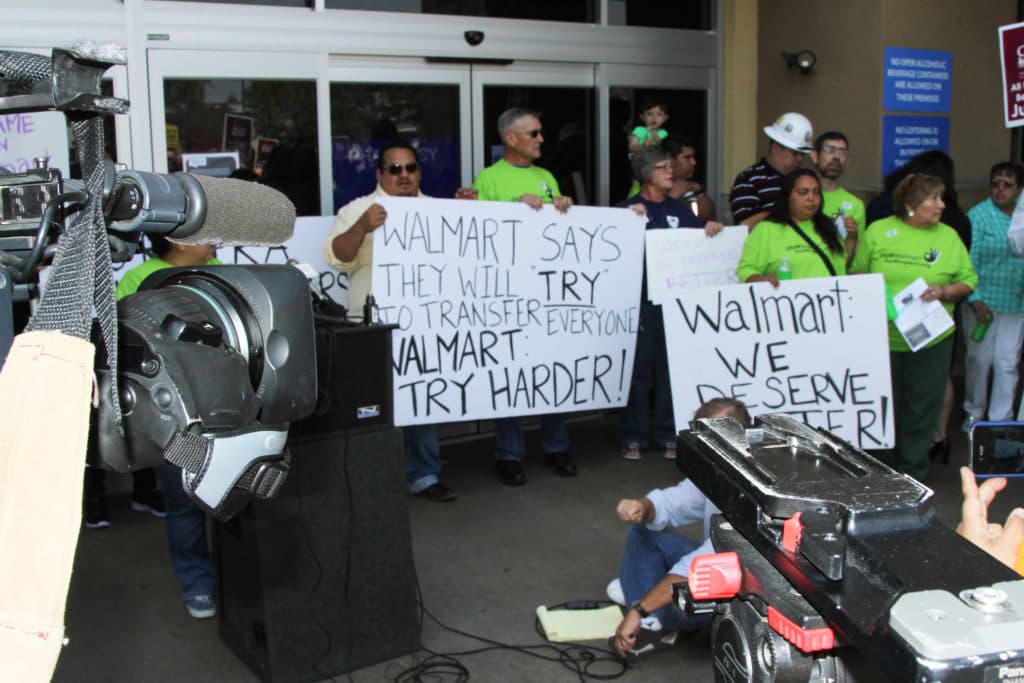
This is not a new fight for Walmart. In 2012, a nationwide campaign backed by UFCW members and allies held a rally at Baldwin Hills Crenshaw in Los Angeles and called on Walmart to “lead changes that rebuild America,” improve workers’ lives, rebuild communities and guarantee workers’ rights. UFCW has also used earlier Walmart-specific efforts such as “Wake Up Wal-Mart” to pressure the company over wages and workplace conditions.
That history is part of why Walmart stays at the center of retail labor coverage. The company is a benchmark employer, so campaigns aimed at Walmart often echo far beyond one store or one market. When labor advocates focus on Walmart, they are usually trying to force a conversation about the same basic questions: who gets enough hours, who gets paid enough, and who has enough of a voice when the schedule, staffing or store conditions fall apart.
For Walmart workers, that is the real point of a page like this. It shows where organizing energy is going, what problems are most likely to resonate, and how the company’s wage changes sit next to the daily reality of hours, workload and store coverage.
This article was produced by Prism’s automated news system from verified source data, official records, and press releases, then run through automated quality and moderation checks before publishing. The system is built and supervised by the people who set the standards it runs under. Read our full AI policy.
Did this article answer your question?