Walmart aims to make cybersecurity faster and less disruptive for associates
Walmart is trying to cut password headaches and access delays by redesigning security around associate workflow, while tightening controls after a payroll fraud case.
The login screen is where Walmart’s cybersecurity strategy meets the floor. The company says its 2026 security plan is built to make access faster, simpler, and less disruptive for associates, with fewer manual reviews, more automation, and less time wasted waiting on help desk fixes. That is a security story, but it is also a shift in workplace policy: the safest path is supposed to be the easiest path.
Security is being redesigned around the shift, not around the back office
Walmart Global Tech says one of its biggest priorities for 2026 is reducing friction in how associates log in and access tools. That may sound like an IT cleanup, but for hourly workers it is about whether a task gets done now or gets delayed by a password reset, an approval chain, or a locked account. Walmart is also pushing reusable controls, standard platforms, and AI-driven code validation, which points to a broader effort to build security into everyday systems instead of forcing workers to work around them.
That matters on busy shifts, when associates are moving between scheduling, inventory, merchandising, and customer support. If security rules are smarter and more standardized, the company should spend less time handling one-off access requests and more time keeping store systems stable. If the rollout is clumsy, though, the people who feel it first will be the associates standing in front of a locked app while customers wait.
What should get easier for associates
The clearest worker-facing change is access. Walmart already offers a self-service password reset tool that lets associates change a password or unlock an account without contacting the help desk. That fits the company’s broader push: less manual security work, fewer bottlenecks, and more direct control for employees when they hit a common login problem.
Automated provisioning and infrastructure-as-code should also matter for access. In plain terms, that kind of setup can reduce the delays that happen when a worker moves into a new role, picks up a new responsibility, or transfers to a new location and needs access to different tools. The company’s stated goal is to make those changes less dependent on manual reviews, which is where many workplace systems bog down.
For associates, that could mean fewer interrupted shifts and fewer tasks stalled by an access ticket. For managers, it could mean less time chasing approvals and more time keeping the department moving. Walmart’s message is that security and productivity are no longer separate problems.
What is likely to get stricter
The same changes that speed up access can also tighten control over who gets it. Walmart’s emphasis on standard platforms, reusable controls, and AI-driven code validation suggests the company wants more consistency and less improvisation in how systems are built and maintained. That usually means fewer exceptions, fewer custom fixes, and less room for workers or developers to sidestep the approved path.
That matters because identity and access management is where a lot of workplace friction and risk collide. If the company is trying to make logins easier, it is probably also trying to make account changes more controlled, especially when an employee changes roles or touches sensitive data. The practical tradeoff is familiar to anyone in retail operations: fewer shortcuts, but hopefully also fewer failures.
Why Walmart is taking this seriously
The company’s scale explains why even small access problems can become operational headaches. Walmart says it employs approximately 2.1 million associates worldwide. It also says about 270 million customers and members visit its stores and eCommerce businesses each week, across more than 10,750 stores and numerous eCommerce websites in 19 countries. At that size, a slow login system is not just annoying. It can ripple through stores, fulfillment, and support teams very quickly.
Walmart also has recent history that makes tighter identity controls hard to ignore. In 2024, the company disclosed that a since-terminated associate accessed other associates’ employment management accounts between roughly September 2023 and March 2024 in an apparent attempt to commit payroll fraud. The notice said the former associate may have viewed payroll records and changed payroll information to divert paychecks. That episode is a reminder that access controls are not abstract compliance language. They protect paychecks, job records, and the trust employees place in internal systems.
Jerry Geisler’s role signals this is a workplace issue, not just an IT one
Walmart’s CISO, Jerry R. Geisler III, is responsible for data security for Walmart’s customers and associates, and he oversees information security strategy, engineering, operations, testing and assessment, services, risk, and compliance for the global enterprise. That remit matters because it places associate experience inside the security agenda, not beside it. When the person running security is also accountable for how millions of workers and customers move through the system, access policy becomes a workforce issue as much as a technical one.
That framing also aligns with Walmart’s broader description of security as a business enabler rather than a silo. In practice, that means cybersecurity is being measured not just by how well it blocks threats, but by whether it lets stores and office teams keep moving without unnecessary delays. The company’s 2026 priorities suggest that smoother workflows are now part of the security brief.
SparkCon shows how deep this culture has become
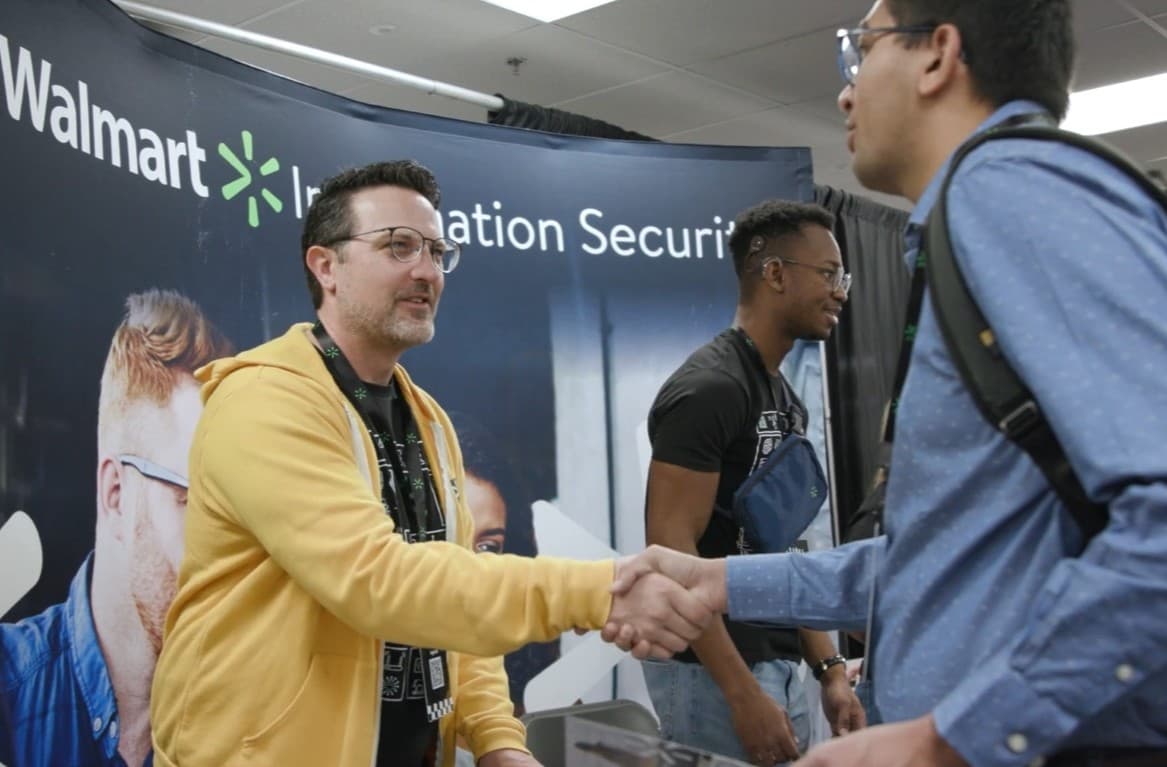
Walmart’s annual cybersecurity conference, SparkCon, adds another layer to the story. The company says it began as a small internal gathering and has grown into a larger event that brings together associates, technologists, students, and community members. That growth suggests Walmart wants cybersecurity to feel less like a closed corporate function and more like part of the company’s identity.
For workers, that matters because it signals where management attention is going. A company that treats security as an enterprise-wide capability is more likely to keep changing login systems, access rules, and review processes in the name of both protection and speed. The promise is less friction. The test will be whether associates actually spend less time fighting the system and more time doing the job.
This article was produced by Prism’s automated news system from verified source data, official records, and press releases, then run through automated quality and moderation checks before publishing. The system is built and supervised by the people who set the standards it runs under. Read our full AI policy.
Did this article answer your question?