Walmart becomes first retailer to join trillion-dollar market cap club
Walmart crossed $1 trillion while e-commerce grew 27%, but associates will feel it only if the money shows up in hours, staffing, and benefits.
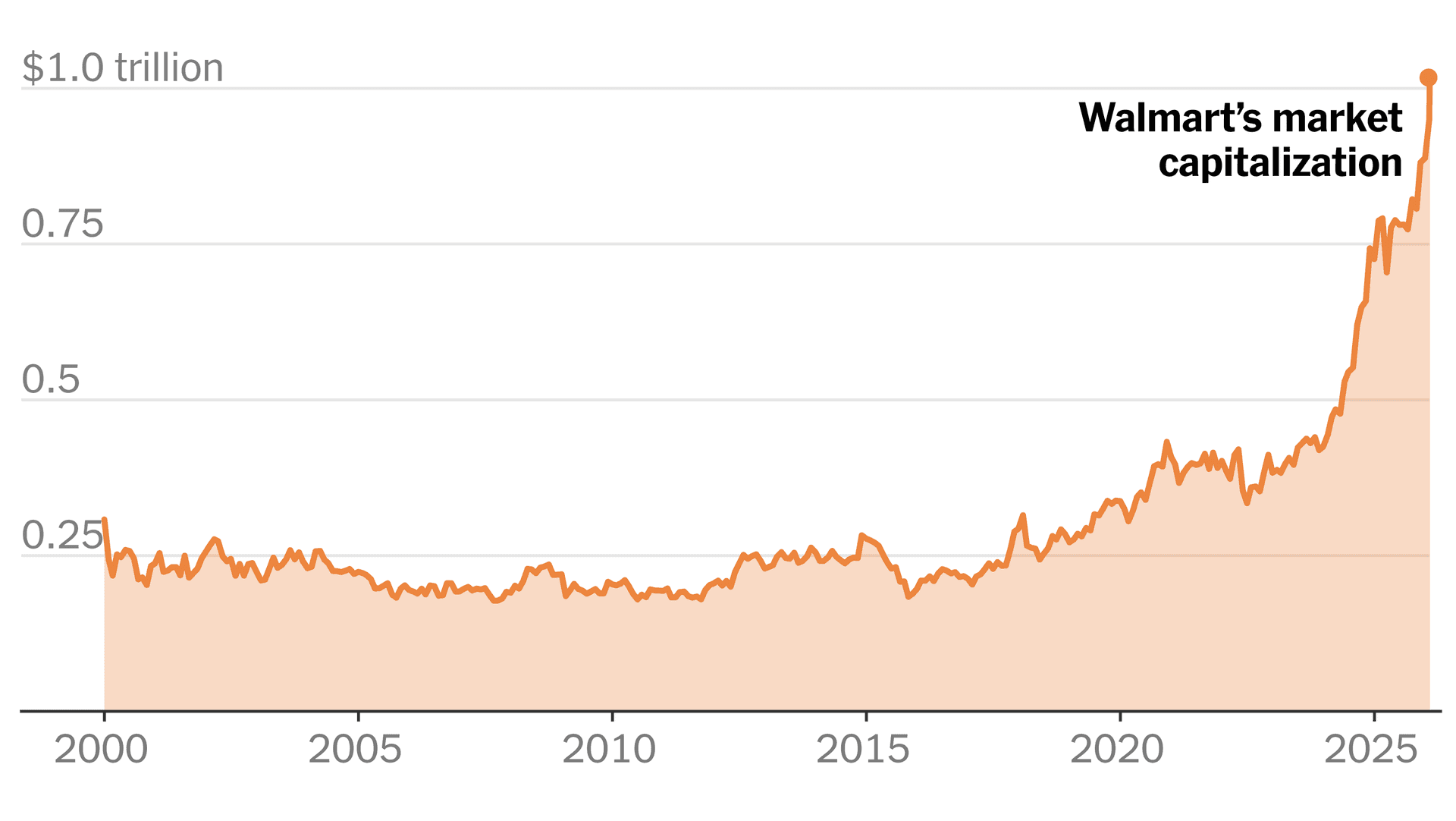
Walmart’s jump into the trillion-dollar market cap club is a Wall Street milestone, but for store, club and supply chain workers the important question is simpler: does any of that value show up in the day-to-day job? The company became the first retailer ever to hit a $1 trillion valuation on Feb. 3, 2026, after shares closed nearly 3% higher at $127.71 and the market cap reached about $1.02 trillion.
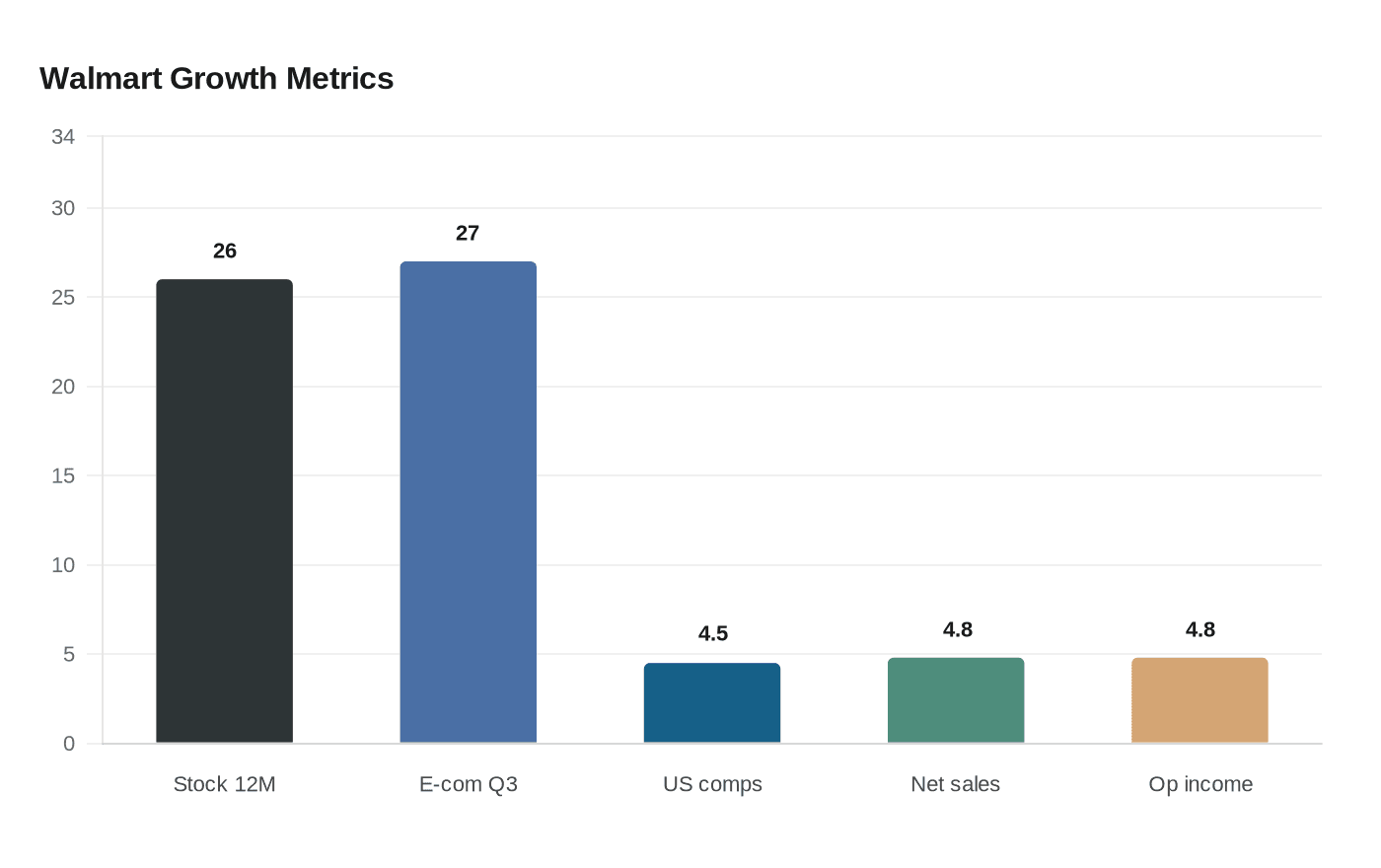
Investors are clearly betting that Walmart is more than a brick-and-mortar chain. Reuters said the run-up was driven by growth in digital businesses and new customer acquisition, and Walmart’s stock had already climbed nearly 26% over the previous 12 months. By May 1, the company’s market value had risen to about $1.05 trillion, putting it in a group dominated by tech names such as Nvidia, Alphabet, Apple, Microsoft, Meta and Amazon, along with Berkshire Hathaway.
That matters because Walmart is being rewarded for the parts of its business that touch workers most directly. In fiscal Q3 2026, global e-commerce grew 27%, Walmart U.S. comparable sales rose 4.5%, and the company said growth was coming from store-fulfilled delivery, advertising and marketplace momentum. Walmart also raised its full-year outlook, lifting its FY26 net sales growth forecast to 4.8% to 5.1% and adjusted operating income to 4.8% to 5.5% in constant currency.
For associates, that forecast is less about market bragging rights than about what kind of investment follows. Faster delivery and more online orders can mean more work for store teams picking, staging and handing off orders. A stronger marketplace and ad business can lift margins without adding much labor. The question for hourly workers is whether the company pairs that growth with enough staffing, realistic schedules, training and back-room support to keep the workload from simply getting heavier.
The milestone also landed during a leadership transition. Walmart announced that Doug McMillon would retire and John Furner became chief executive on Feb. 1, 2026. McMillon stayed on the board through mid-2026 and was set to serve as an adviser through fiscal 2027. For workers, that makes this less like a finish line than a handoff: the new leadership team inherits a business that is more digital, more profitable and under more pressure to prove that its biggest gains can be felt on the floor and in the distribution network, not just on a stock chart.
This article was produced by Prism’s automated news system from verified source data, official records, and press releases, then run through automated quality and moderation checks before publishing. The system is built and supervised by the people who set the standards it runs under. Read our full AI policy.
Did this article answer your question?