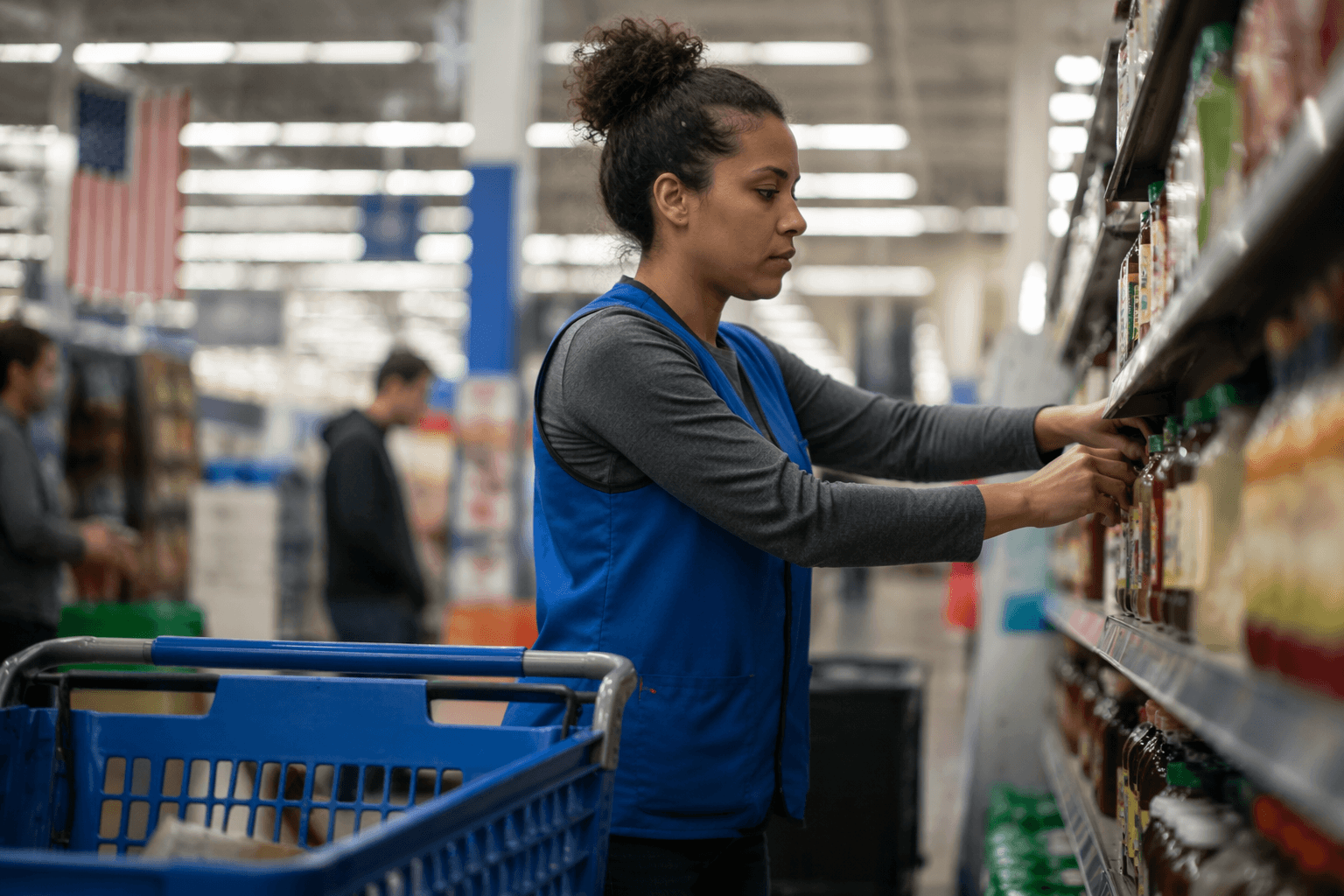
Walmart eases pickup cart rules after worker safety concerns
Walmart dropped two top bins from pickup carts and let workers push or pull as safety allows. The change followed safety concerns over strain, visibility and collisions in pickup aisles.
Walmart reversed course on a pickup-cart rule that had made the job harder for store workers filling online orders. The company removed the two bins that had been stacked on top of the order-fulfillment cart and told employees they can push or pull the cart as safety allows, a shift that directly affects how fast associates can move through crowded aisles and backrooms.
The change matters because the old setup could make carts awkward to handle, especially in pickup-heavy stores where workers are already moving under constant time pressure. A higher, more heavily loaded cart can block sight lines, make turning tighter and add strain to repeated pushing and pulling. In a department built around speed, those small adjustments can be the difference between a smooth run and a shoulder, back or ankle problem that lingers long after the shift ends.
Walmart made the update after safety concerns surfaced, a sign that frontline feedback appears to have pushed policy in a way workers do not always see. The practical effect is simple: less bulk on the cart, more room to maneuver and more flexibility for associates to choose the safer direction when moving orders. For hourly workers in online grocery pickup and fulfillment, that can reduce the odds of collisions, awkward push angles and other hazards that do not always trigger alarms until someone is hurt.
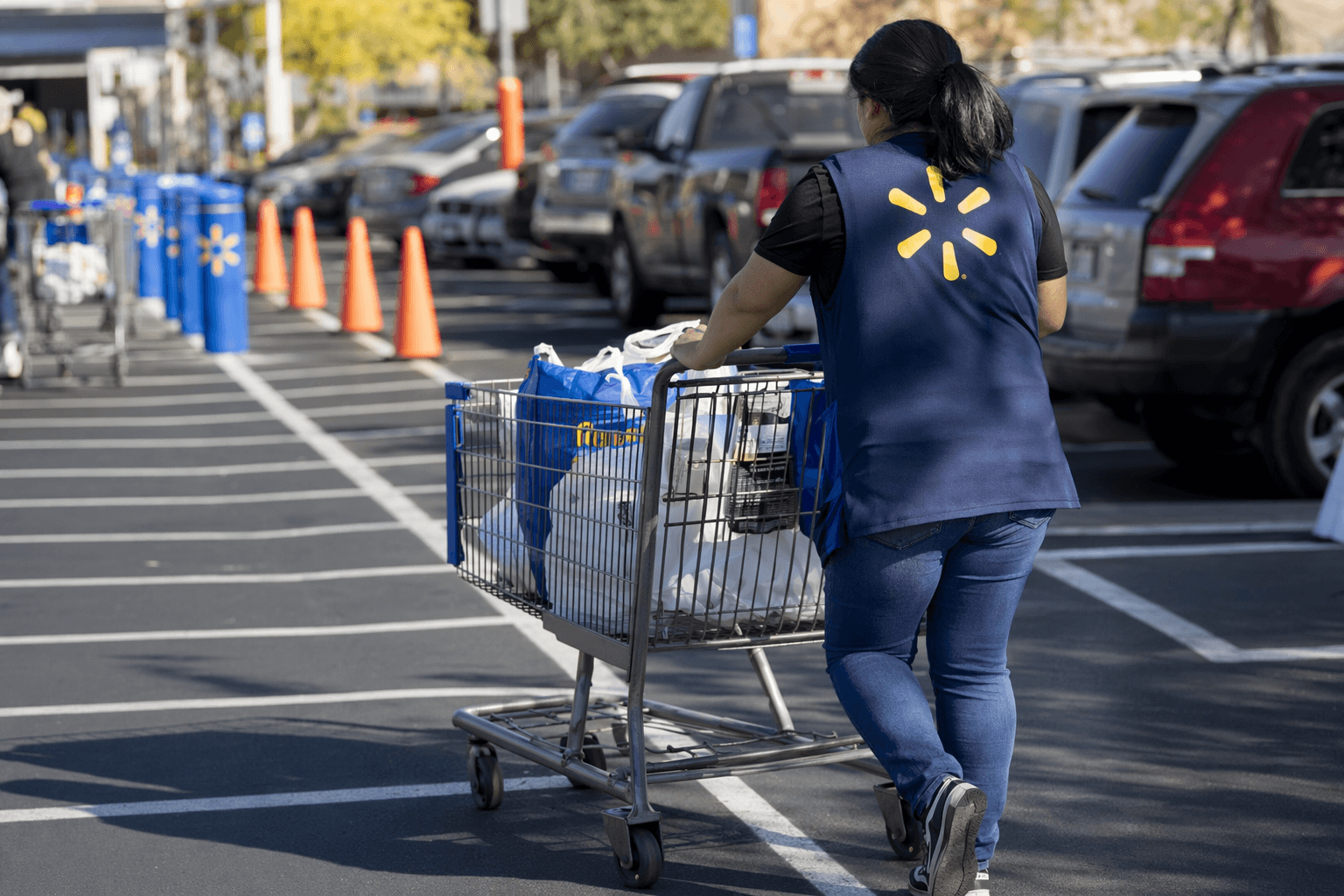
Worker accounts from the floor complicate that picture. The primary carts used for digital order fulfillment at many stores carry manufacturer safety labels stating the carts are push only and warning against pulling. When the original policy took effect, employees report being instructed to pull the carts anyway, and were told to continue pulling even after flagging the contradiction with the safety labels. During the brief window before the policy reversed, someone attempted to remove the safety labels from the equipment, and several carts remain in daily use without them. Associates also report still being encouraged to pull the carts, which puts day-to-day practice at odds with the manufacturer's safety guidance.
The company's reversal also suggests a sharper balance between order volume and day-to-day worker safety. In stores where pickup traffic is heavy, a rule that looks efficient on paper can become a bottleneck on the floor if it slows employees down or makes the cart harder to control. By stripping away the extra bins, Walmart acknowledged that a process built for volume still has to work for the people doing the lifting, steering and stopping.
For team leads and coaches, the change is a reminder to keep watching for hazards that hide in plain sight: blocked sight lines, unsafe loads, missing safety labels and workflow rules that seem tidy in a plan but rough in practice. For associates, the bigger question is whether this is a meaningful fix or only a partial concession. Either way, the cart now reflects a basic truth of the pickup floor: speed only counts if workers can move safely enough to keep up with it.
This article was produced by Prism’s automated news system from verified source data, official records, and press releases, then run through automated quality and moderation checks before publishing. The system is built and supervised by the people who set the standards it runs under. Read our full AI policy.
Did this article answer your question?