Walmart boosts AI, eCommerce and automation as competition heats up
Walmart is pushing harder into AI, automation and eCommerce as it keeps its sales and profit outlook cautious. For associates, that likely means more fulfillment pressure, tighter execution and more tech-driven work.

Walmart is leaning harder into AI, automation and eCommerce just as shoppers get more cautious, a shift that could shape everything from store pickup workloads to supply chain jobs. The company is betting that the fastest-growing parts of the business, including online sales, advertising and membership fees, can offset weaker consumer demand and a tougher fight with Amazon.
In its 2025 annual report, Walmart said its strategy now includes investments in eCommerce, technology including artificial intelligence and generative AI, talent, supply chain automation and enhancements, advertising, acquisitions, joint ventures, store remodels and other customer initiatives. That is a broad mix, but the operational message is clear: Walmart wants more of its growth to come from faster digital fulfillment, more efficient back-end systems and higher-margin revenue streams that do not rely only on shoppers pushing carts through the front door.
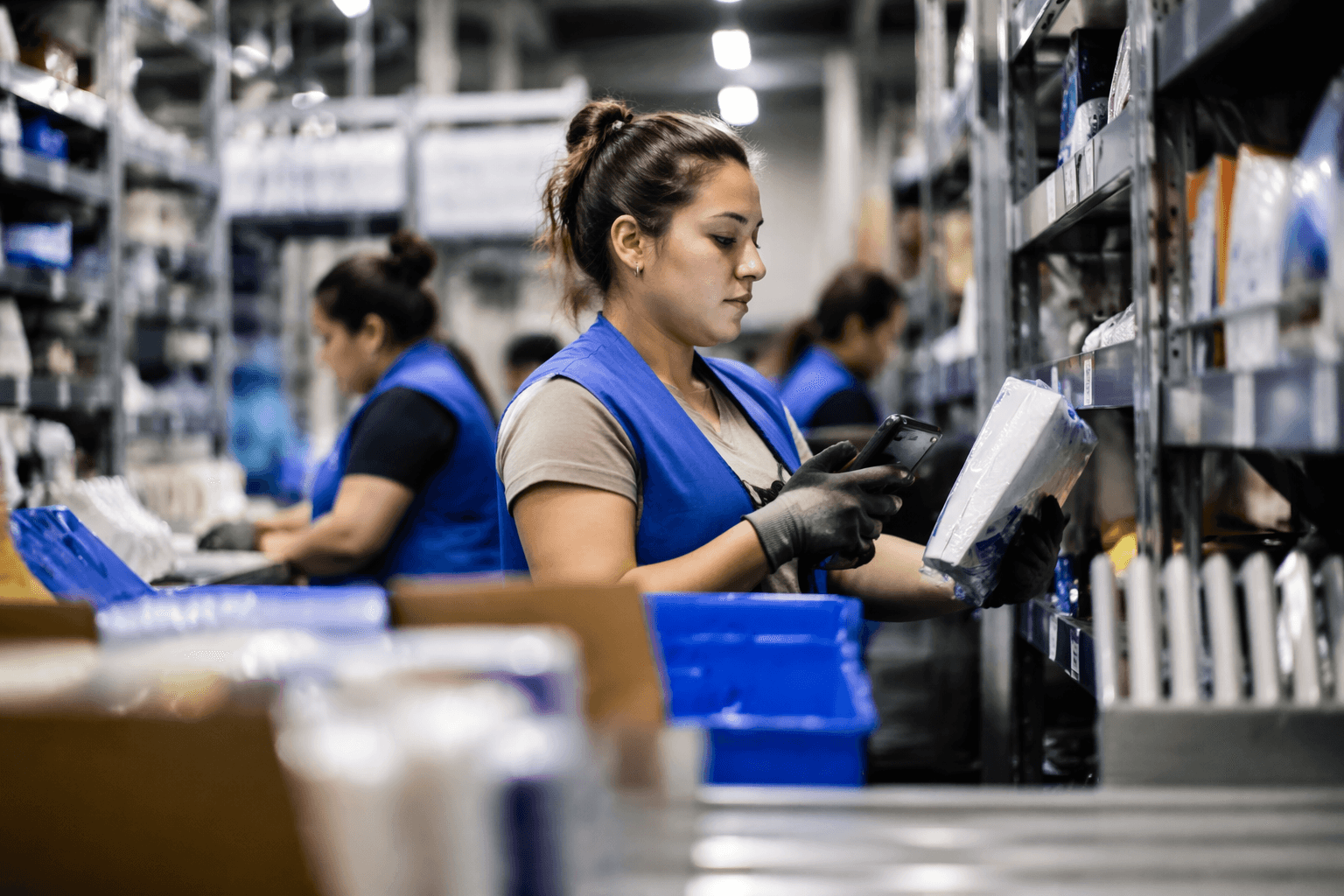
The company said fourth-quarter fiscal 2026 was the eighth straight quarter of eCommerce growth above 20% for Walmart U.S. Walmart also said membership fee revenue grew across the enterprise and that advertising income is helping diversify profit sources. For store and fulfillment teams, that means more importance on getting online orders out the door correctly and on time, because the digital side of the business is no longer a side bet. It is one of the company’s core growth engines.
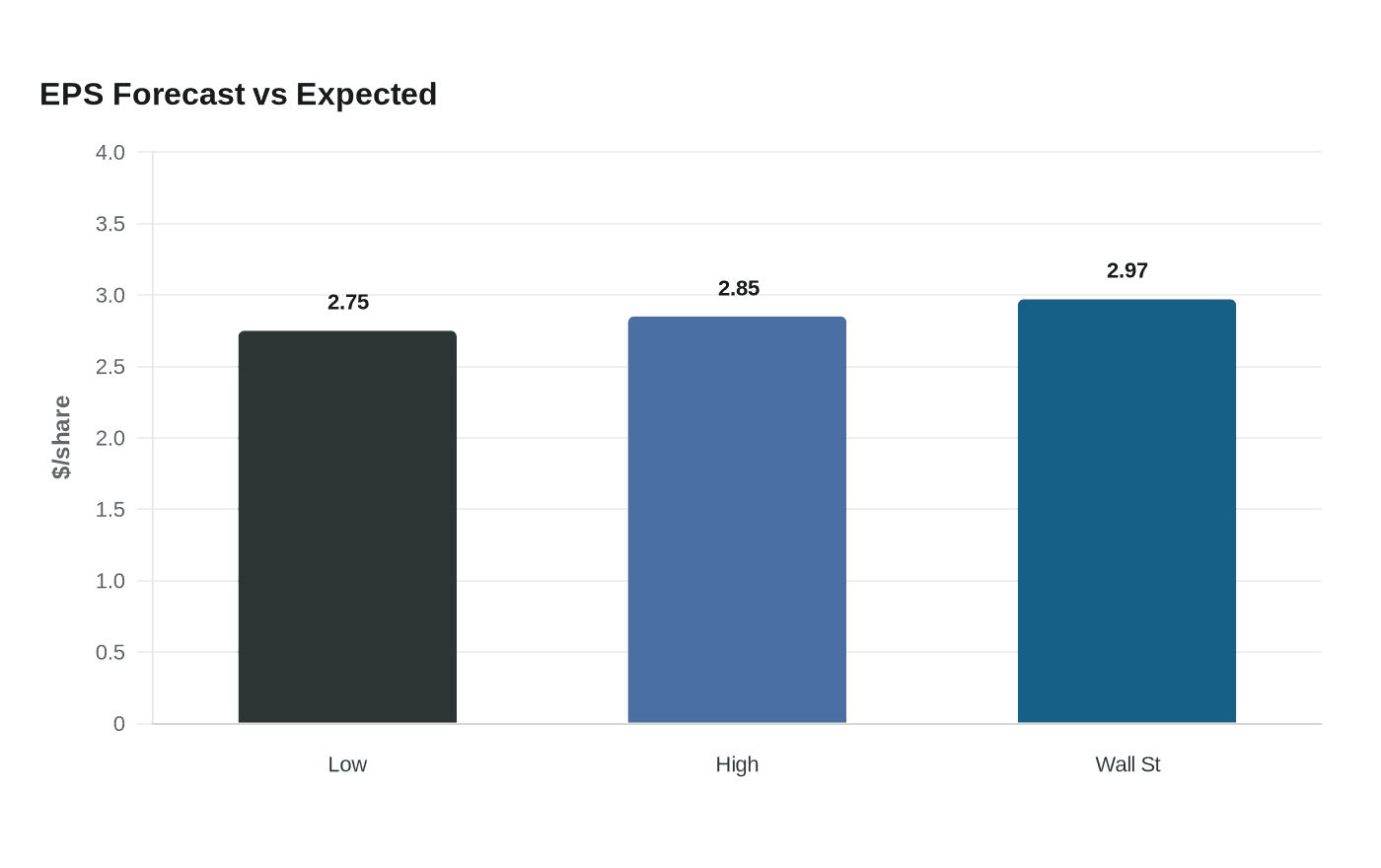
The changes are coming with a cautious financial backdrop. Walmart kept its annual sales and profit targets conservative even as bargain-hunting traffic strengthened, while U.S. consumer sentiment fell to a record low in May and inflation posted its largest gain in three years. In February, Walmart forecast adjusted earnings per share of $2.75 to $2.85 for the fiscal year, below the about $2.97 per share that Wall Street had expected. That gap suggests management is still bracing for a frugal customer, which can translate into tighter cost control and more pressure on execution inside stores.
Leadership has also been reset to match the strategy. On January 16, Walmart said John Furner would become CEO on February 1, replacing Doug McMillon. The company also named Amazon alumnus David Guggina president and CEO of Walmart U.S., signaling a more technology-heavy approach at the chain’s most important domestic business. Reuters also reported in February that Amazon’s annual revenue surpassed Walmart’s after 2025 results, underscoring how much pressure Walmart faces to keep closing the gap.
For hourly workers and managers, the near-term reality is likely to be more emphasis on speed, accuracy and digital fulfillment, with automation and AI moving deeper into the company’s operating playbook. Walmart is not just chasing sales growth; it is reorganizing around the parts of retail that can still grow when customers are spending less.
This article was produced by Prism’s automated news system from verified source data, official records, and press releases, then run through automated quality and moderation checks before publishing. The system is built and supervised by the people who set the standards it runs under. Read our full AI policy.
Did this article answer your question?