Walmart cold-chain upgrades could ease store-level labor strain
Cold-chain bottlenecks hit Walmart stores as late trucks, rushed stocking, spoilage and customer complaints. Better flow can cut damage control and keep shelves full.
Cold-chain problems show up on the sales floor first
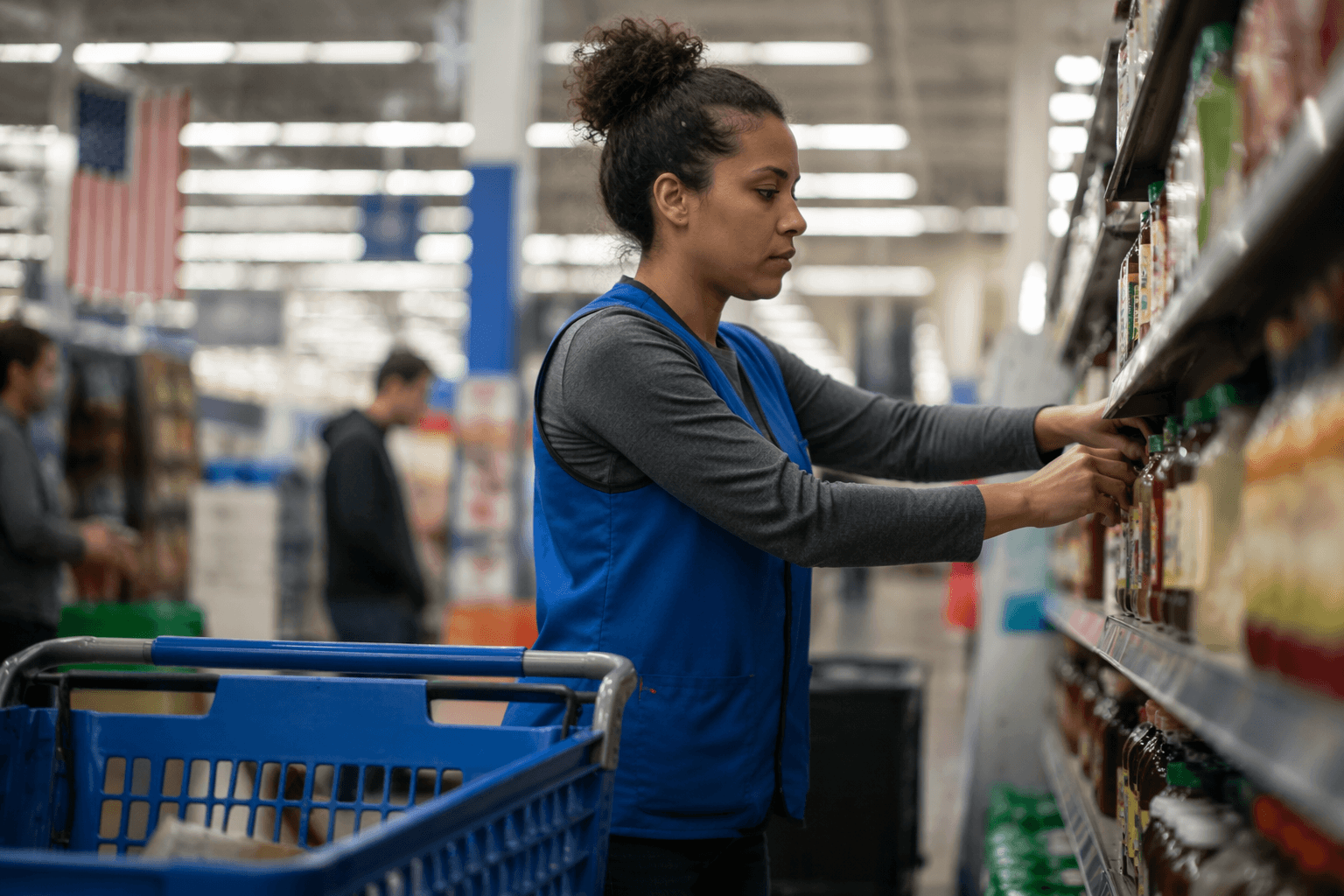
When cold-chain capacity slips, the first sign at store level is not a dashboard. It is a late truck, a rushed dairy pallet, or a customer asking why a missing item should have been in the building. For Walmart associates in grocery, produce, dairy and frozen, that kind of disruption turns a logistics issue into a labor issue fast.
If warehouses and distribution points can move chilled and frozen products more reliably, stores are more likely to see better fill rates, less spoilage and fewer emergency substitutions. If the cold chain is tight, the work gets harder in ways hourly associates feel immediately: awkward pallet timing, more freight dropped into already busy dayparts, and more pressure to explain gaps on the shelf while still keeping product safe.
Why a better cold chain changes the workload
A stronger cold chain does more than protect product quality. It steadies the flow of freight so overnight teams are not constantly putting out fires, and it gives morning crews a better chance of finding full shelves before customers start shopping. That matters in a grocery-led retailer, where freshness and timing are tied to both sales and labor.
The store-level payoff is simple. Better cold storage and more dependable replenishment reduce the amount of labor that gets swallowed by damage control. Instead of spending time sorting through spoilage, reworking late deliveries or scrambling to handle substitutions, teams can focus on getting product out fast and keeping departments clean, stocked and compliant.
For department managers, this is about execution. Grocery performance depends on the invisible plumbing behind the store, and cold-chain reliability is a big part of that. For assistant managers, the key question is whether inventory arrives in a way that supports the daypart instead of disrupting it. If freight lands at the wrong time, even a well-run department can get thrown off for hours.
What weak flow looks like inside the store
When the cold chain breaks down, the burden rolls downhill. Associates may have to explain shortages to shoppers even when the item was supposed to arrive. They may also need to work around freight that comes in late, which can push stocking into periods when customers are already in the aisle and conditions are harder to manage.
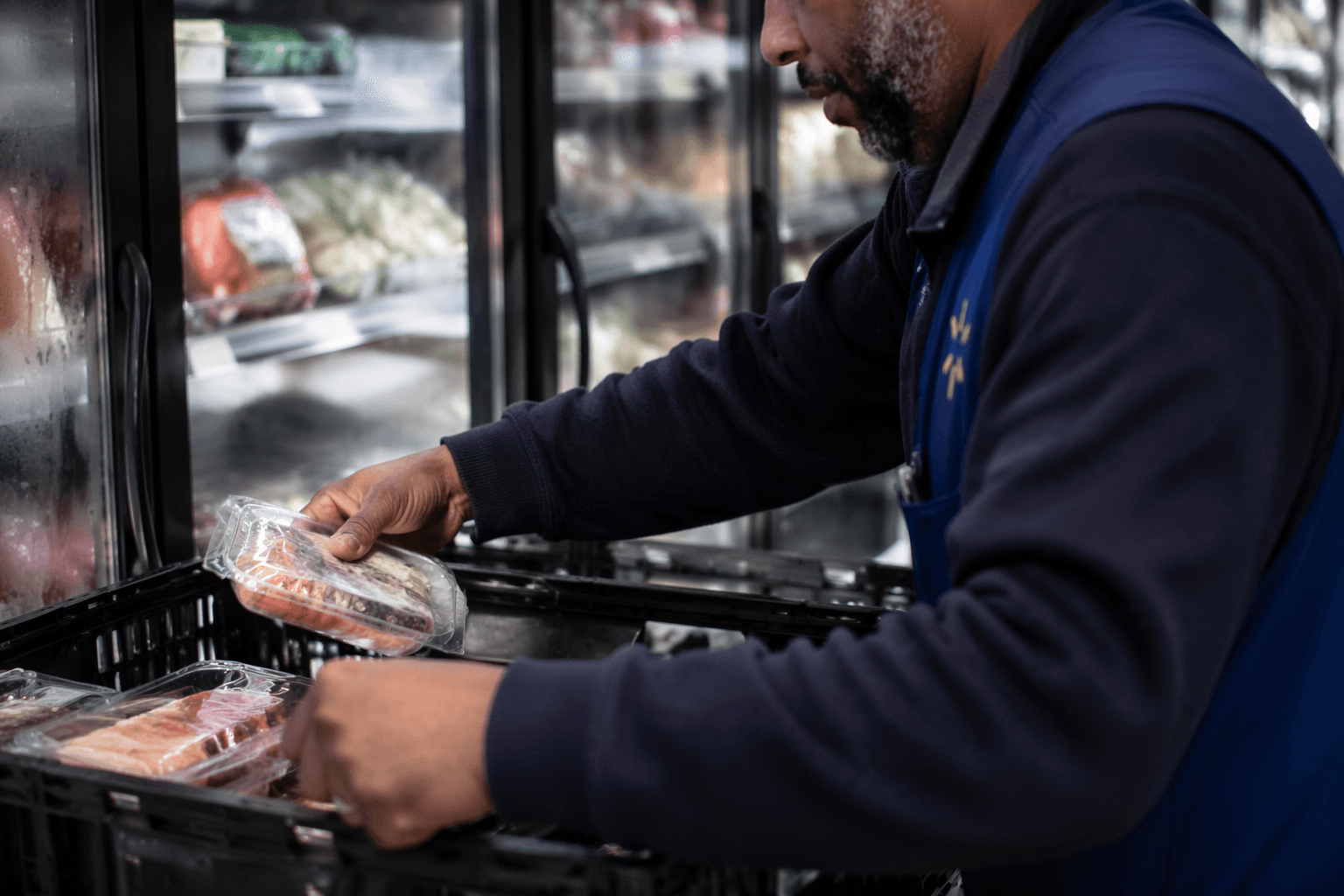
The strain is especially visible in perishable areas because the work cannot wait. Dairy, produce and frozen all depend on speed and proper handling. A delayed or poorly timed delivery can mean more product exposure, more shrink and more pressure to move quickly without cutting corners on food safety.
That is where the labor story becomes obvious. A weak network shifts more responsibility to hourly workers, who are left to keep conditions safe while freight is being worked, answer complaints about missing items and still try to protect freshness. The larger the gap between arrival time and shelf time, the more the store absorbs the cost in lost labor and lost product.
Warning signs associates and managers should watch
Cold-chain strain does not always announce itself with a major breakdown. Often it shows up in small, repeatable problems that suggest the pipeline is not matching store demand.
- Late trucks that keep landing after the daypart has already shifted
- Repeated emergency substitutions because the right item is not on hand
- Spoilage that starts rising even when sales patterns have not changed
- Pallet timing that forces freight onto the floor at the worst possible moment
- More customer questions about products that should have been available
- Extra time spent reworking chilled or frozen freight instead of stocking it once
For managers, these warning signs matter because they point to operational risk before it becomes a bigger shrink or compliance problem. A store can still look busy and productive while hidden inefficiencies are building in the cooler, freezer and backroom.
What better execution looks like on the floor
When cold-chain investment works the way it should, the store feels it in the rhythm of the day. Freight arrives in a more predictable window. Overnight teams can finish work without constant interruptions. Morning associates have a better shot at opening with product already staged or stocked where it belongs.
That kind of flow does not eliminate pressure, but it changes the kind of pressure workers face. Instead of triaging a delivery that arrived too late, the team can spend more time moving product quickly enough to protect quality. Instead of answering the same missing-item question over and over, associates can keep the aisle moving and focus on presentation.
The biggest operational gain is stability. Better cold-chain capacity helps preserve freshness, keeps on-time replenishment steadier and reduces the amount of effort that disappears into damage control. In practical terms, that means fewer surprises for department managers and fewer last-minute fixes for hourly associates.
How store teams can reduce shrink and compliance risk
Store-level actions cannot replace a weak supply chain, but they can reduce the damage when timing gets messy. The goal is to catch problems early, keep product moving and avoid letting a delay turn into spoilage or a food-safety issue.
- Track where late freight is repeatedly hitting the same departments
- Separate true demand problems from arrival problems before ordering more product
- Keep chilled and frozen freight moving fast enough to protect quality
- Build stock plans around the daypart instead of fighting it
- Flag recurring timing issues so managers can adjust labor and staging
- Treat customer complaints about missing items as a signal to check inbound flow, not just shelf conditions
For assistant managers, this means watching whether the store is receiving inventory in a way that supports the schedule already on the floor. For department managers, it means recognizing when replenishment patterns are forcing teams into avoidable labor spikes. For hourly associates, it means knowing that a rushed pallet or a late drop is not just a busy moment, but often the visible symptom of a deeper cold-chain problem.
Cold-chain reliability is one of the clearest examples of how a supply-chain decision becomes an everyday work issue inside Walmart stores. When the system works, the shelves look fuller, the spoilage stays lower and the team spends less time cleaning up the consequences. When it does not, the store floor feels the strain immediately.
This article was produced by Prism’s automated news system from verified source data, official records, and press releases, then run through automated quality and moderation checks before publishing. The system is built and supervised by the people who set the standards it runs under. Read our full AI policy.
Did this article answer your question?