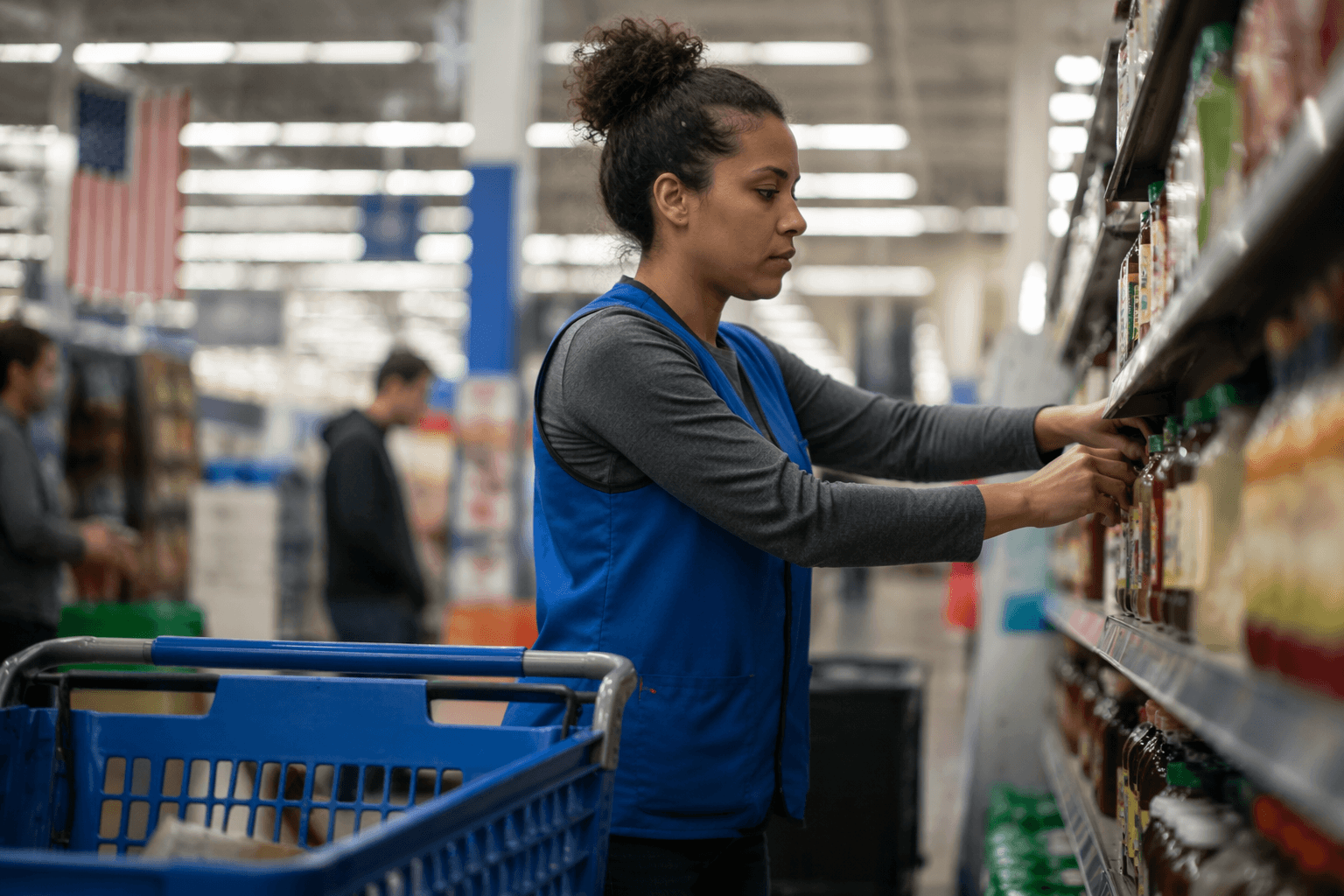
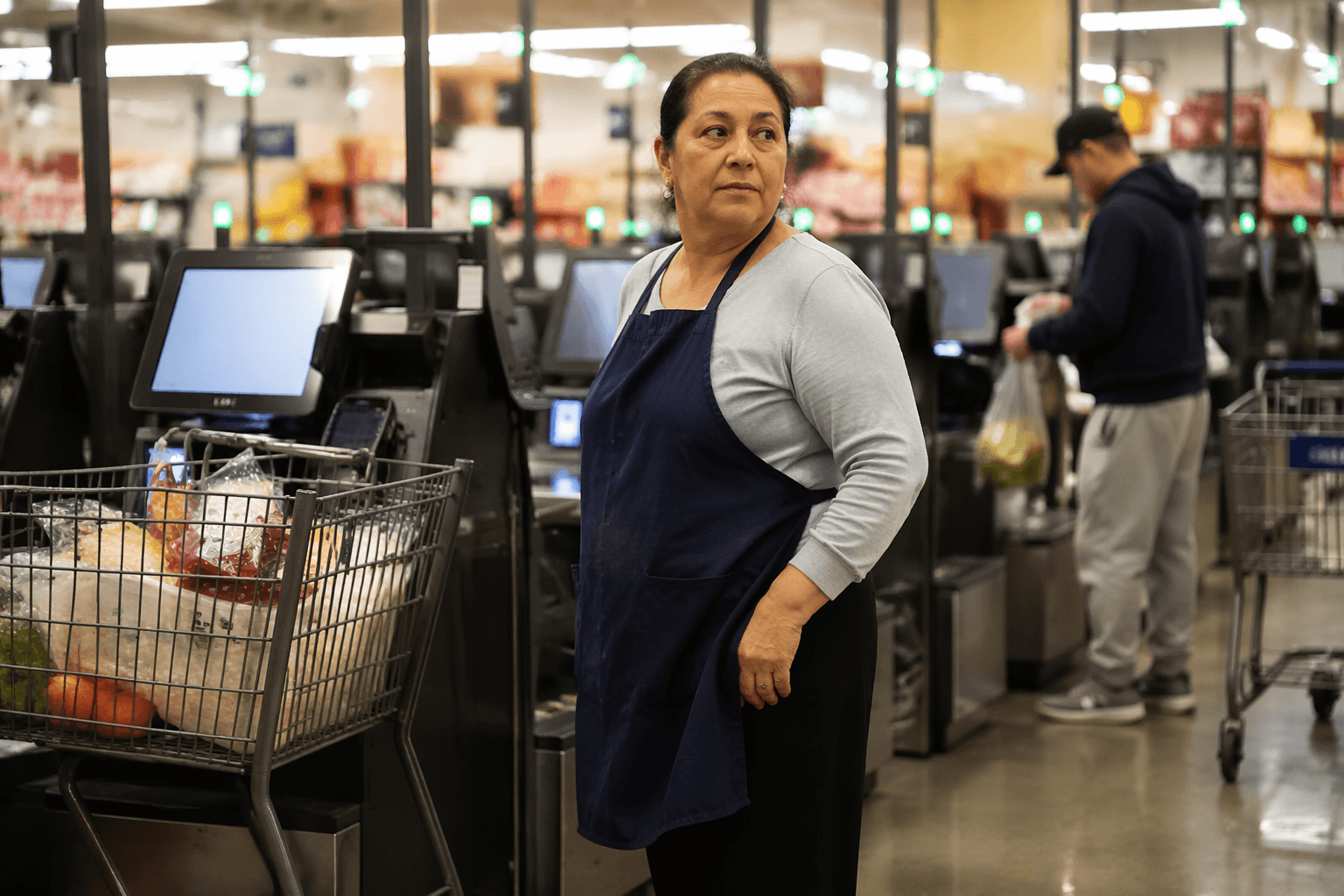
Walmart digital twins use AI to predict store problems before they happen
Walmart's digital twins can spot a failing cooler up to two weeks early, turning surprise repairs into planned work and raising the stakes for daily accountability.
What a Walmart digital twin actually does
A Walmart digital twin is not just a digital floor plan. It is a live model of a store that uses AI to watch real-time conditions, spot trouble early and flag potential issues before they become customer-facing problems. Walmart says the model can represent Supercenters, Neighborhood Markets and Sam’s Clubs, and it can include shelving, layout, equipment and traffic flow.
That matters on the sales floor because the system is built to see the kind of problems associates usually deal with after they have already turned into fire drills. A cooler drifting out of range, a backroom bottleneck, a layout issue that slows stocking or a piece of equipment nearing failure can all be surfaced earlier, with the goal of turning a scramble into a planned task.
The most concrete win is refrigeration
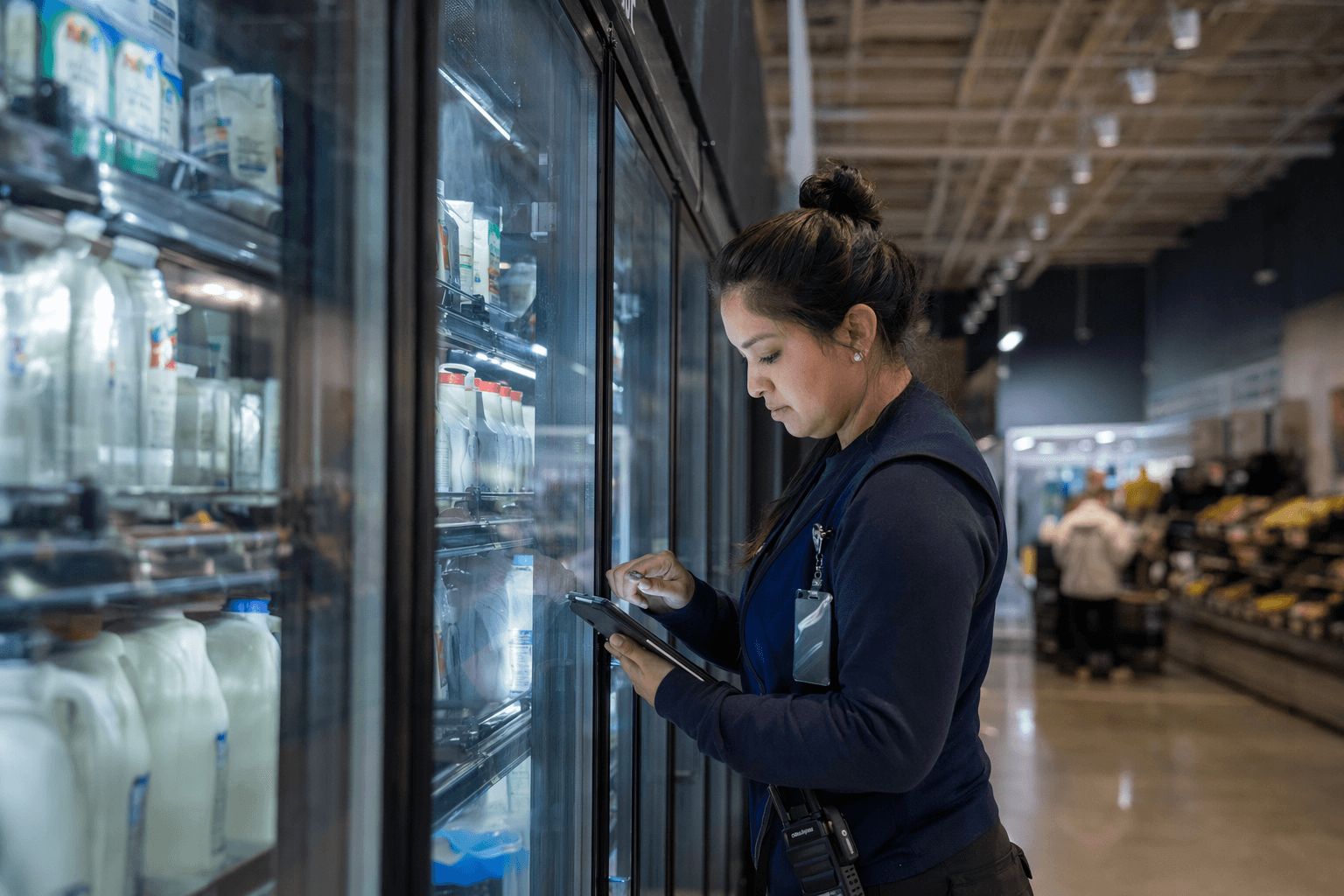
Walmart’s clearest example is a refrigerated case that was predicted to fail up to two weeks in advance. Instead of waiting for an alarm after product is already at risk, the system auto-generated a work order and routed it to a technician with details about the case contents, wiring, install date and needed parts.
For workers, that kind of warning changes the shape of the day. It can save hours of rework, protect product from spoilage and cut down on late-night emergency calls that throw off schedules and pull people away from other priorities. It also changes accountability, because a problem no longer becomes invisible until a manager or customer notices it on the spot.
How the work list changes for associates and managers
The practical value of the digital twin is not only that it sees a problem sooner. It also changes how the job gets assigned and how fast someone is expected to act. If a store technician already receives the failure alert, the work starts with a lot more information than a typical service call: what the case holds, when it was installed and which parts are likely needed.
That can make the job safer and more efficient, especially in stores where maintenance teams already juggle refrigeration, HVAC and other equipment. It can also create a faster-response culture, where the expectation is not just to react quickly, but to move on a warning before customers ever see the issue. In practice, that means digital twins can reduce daily firefighting while also adding another layer of monitoring.
The scale is already larger than one test store
Walmart and Sam’s Club have deployed digital twins for maintenance operations in about 4,200 locations, according to reporting based on company comments. Industry coverage says the tools have been used to track HVAC, refrigeration and kitchen appliances across stores, reducing emergency maintenance by 30% and repair costs by nearly 20%.
Those numbers matter because they show this is not a futuristic demo tucked away in Bentonville. It is a maintenance system that is already being used at scale, and it is being pointed at the kinds of problems that directly affect overtime, callouts, backroom pressure and the smoothness of a shift. If the technology works as promised, some of the worst disruption in store operations could become less common.
Why this is part of a bigger AI rollout
Walmart’s digital twin work sits inside a broader push to use AI across the business. Walmart has described the company’s direction as Adaptive Retail and has also used the phrase Agentic Commerce Future in its technology messaging. In practical terms, the company is trying to build systems that do more than react after the fact. It wants tools that can predict, recommend and automate before people are forced into crisis mode.
That wider rollout already reaches a large portion of the workforce. Walmart says it is deploying AI-powered tools to 1.5 million associates, delivered through the associate app. Trade reporting also says a task-management tool cut shift-planning time from 90 minutes to 30 minutes, while Walmart’s conversational AI handles 3 million queries daily from 900,000 weekly users. The same logic behind the digital twin shows up here too: less friction, fewer manual steps and more information pushed directly to the worker.
What it means for store culture
For associates, the upside is obvious when the tech works well. Fewer surprise breakdowns mean fewer ruined products, fewer emergency calls and fewer disruptions to the normal rhythm of the store. For department managers and assistant managers, it can make labor planning and maintenance coordination more predictable, which matters in a business where a late equipment failure can wreck an entire shift.
But the trade-off is just as important. A store that is constantly modeled, monitored and optimized can feel less forgiving. If the system knows a cooler is at risk two weeks in advance, then the human expectation is that someone should move before the problem becomes visible. That creates a workplace where performance is measured not only by what gets fixed, but by how early it gets prevented.
Training the people who can respond
Walmart has also tied this technology push to workforce development through its Associate-to-Technician program, which trains store associates in HVAC, refrigeration, electrical and safety. That is a practical response to a shrinking technician workforce, and it suggests the company knows it cannot automate its way out of every maintenance problem.
For workers, that creates a new path inside the company. Associates who already know the store and want a technical role may have a route into more specialized work, while store leaders get a larger pool of people who understand both frontline operations and equipment troubleshooting. The digital twin becomes more useful when there are trained people who can act on its alerts quickly.
How Walmart got here
This is part of a longer transformation, not a single product launch. Walmart Global Tech has described the company as rearchitecting its technology foundation so systems can be predictive and purposeful rather than merely reactive. Earlier public technology efforts already pointed in this direction, with AI and IoT framed as tools for designing and testing new customer experiences, and later company showcases expanding the push into AI, generative AI, augmented reality and immersive commerce across stores, apps and virtual environments.
Taken together, the digital twin story is really about how Walmart wants the store to run: as a living system with sensors, alerts and automated planning layered over the physical aisles. For workers, the question is whether that means fewer crises and better days, or a faster machine that expects every problem to be spotted before customers ever know it existed.
This article was produced by Prism’s automated news system from verified source data, official records, and press releases, then run through automated quality and moderation checks before publishing. The system is built and supervised by the people who set the standards it runs under. Read our full AI policy.
Did this article answer your question?